
Creative Photography Retreats NZ: Unlock Your Vision in 2026

Creative Photography Retreats NZ: Unlock Your Vision in 2026

What if your most breathtaking photograph had nothing to do with your camera settings and everything to do with how you felt in the moment? It’s exhausting to feel overshadowed by technical gatekeeping. When you join our creative photography retreats nz in 2026, you move beyond the pressure of “gear-talk” and find space to breathe. Many women find themselves uninspired while standing in a queue at the same three over-photographed landmarks seen on every social media feed. You deserve the space to step away from daily distractions and focus on your craft.

We promise a nurturing sanctuary where your artistic voice takes precedence over manual dials. You’ll find that when the technical noise fades, your true vision begins to emerge. This article explores how these immersive, women-only journeys across New Zealand’s hidden landscapes help you capture soulful images and build lasting connections with a community that truly understands your passion. #TravelWithLesleyWhyte #GirlsOnTheRoadAgain #ChathamIslandTours #WomenInPhotography #SartorialTravellersClub #VisitChathamIslands
Key Takeaways

  • Understand how creative photography retreats nz differ from standard tours by prioritising your unique artistic voice over complex technical settings.
  • Discover how to overcome imposter syndrome within a nurturing, women-only community that encourages experimentation and creative confidence.
  • Compare New Zealand’s most inspiring 2026 destinations, from the iconic South Island peaks to the remote “final frontier” of the Chatham Islands.
  • Learn to prepare your creative mindset and pack effectively for New Zealand’s unpredictable “four seasons in one day” to protect your gear and your vision.
  • Experience the benefits of a personally escorted, flexible journey with Lesley Whyte, designed to ensure you are always in the right light. #TravelWithLesleyWhyte #GirlsOnTheRoadAgain #ChathamIslandTours #WomenInPhotography #SartorialTravellersClub #VisitChathamIslands
Beyond the Golden Hour: What Defines a Creative Photography Retreat in NZ?

Most photography trips feel like a high-speed chase. You rush from one iconic viewpoint to the next, hoping to catch the light before it vanishes. A dedicated creative retreat flips this script. It isn’t just about ticking boxes on a bucket list; it’s about personal growth. Choosing creative photography retreats nz means you’re trading the frantic pace of a tour for the deliberate pace of an artist. You aren’t just a tourist with a camera; you’re a storyteller in residence. These experiences provide the “permission” to slow down, allowing you to move past the surface and truly see your surroundings.

The difference lies in the objective. A standard photo tour prioritizes the “trophy shot.” A retreat focuses on the “flow state,” where the technical aspects of your camera become secondary to your artistic vision. We want you to stop worrying about shutter speeds and start thinking about the narrative of the frame. By joining one of our creative photography retreats nz, you’ll find that the landscape becomes a mirror for your own creative journey. It’s a supportive environment designed to help you unlock a vision that’s uniquely yours.

The Philosophy of Slow Photography

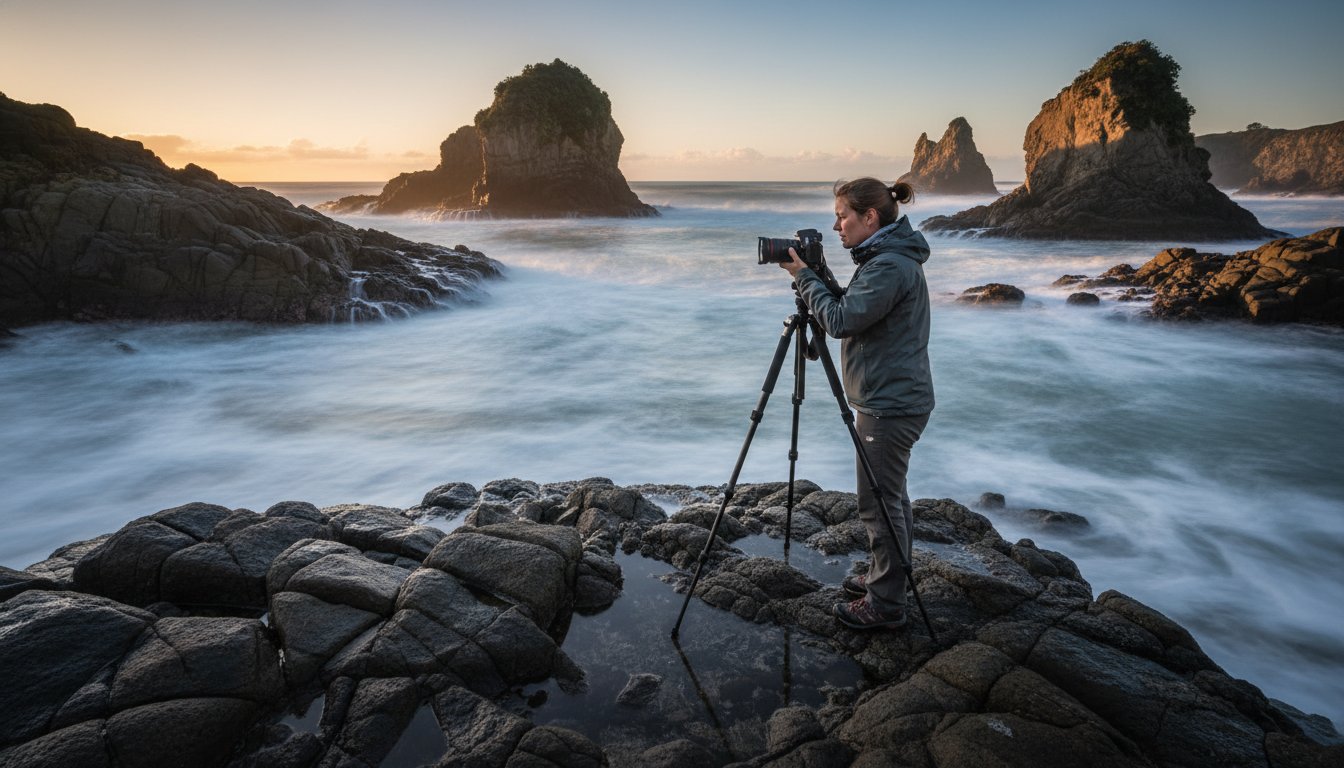
A standard itinerary might drag you across ten locations in a single day. We don’t do that. Slow photography is about intentionality. Spending three hours at a single coastal shelf on the South Island allows you to watch the tide shift and the shadows stretch. This unhurried approach fosters a deeper connection with the environment. It moves you past the “point-and-shoot” reflex into a state of focus where you notice the subtle textures of the stone or the way the wind bends the marram grass. This shift from technical proficiency to artistic presence is what defines the 2026 retreat experience.

Why Aotearoa is a Creative Catalyst

#TravelWithLesleyWhyte #GirlsOnTheRoadAgain #ChathamIslandTours #WomenInPhotography #SartorialTravellersClub #VisitChathamIslands

The Power of Community: Why a Nurturing Environment Unlocks Your Best Work

Photography isn’t just about apertures and shutter speeds; it’s about the eyes that see the world and the heart that captures it. On our creative photography retreats nz, we prioritize a nurturing atmosphere because we know that creativity doesn’t thrive under pressure. Many women hesitate to join workshops because they fear their gear isn’t “good enough” or their technical knowledge is lacking. We’ve seen that when you remove that competitive edge, the artistic vision finally has room to breathe. Since our first tour in 2013, we’ve watched hundreds of women transform their skills simply by being in a space where they feel safe to fail, experiment, and eventually succeed.

Women in Photography: A Space to Flourish

Within our Women in Photography sessions, we’ve created a unique safe haven. It’s a place where there’s no such thing as a “silly question.” Instead of gear-shaming or technical elitism, we focus on collaboration. You’ll find that learning how to frame a shot is much more rewarding when you’re doing it alongside someone who’s just as excited as you are. This approach draws inspiration from the legacy found in New Zealand’s national photographic archives, which reminds us that the power of a photo lies in its ability to document a moment and a feeling rather than just showcasing expensive equipment. We focus on the “why” of the image, allowing the “how” to follow naturally through hands-on practice. If you’re interested in refining your professional mission or visual identity, check out Branding Titans for expert guidance.

Connection Over Competition

The “Girls on the Road Again” philosophy is built on the idea that adventure and artistic growth are inseparable. The magic often happens after the sun goes down. Shared meals and evening critiques aren’t just about feedback; they’re about building lasting creative bonds. You might start the day unsure of how to handle a long exposure or a macro lens, but by dinner, the group’s collective energy has pushed you to master it. Over 85% of our guests stay in touch after their trips, forming a network of “weekend companions” who continue to shoot together across New Zealand. This sense of belonging is a core part of our creative photography retreats nz experience.

Your guide plays a dual role on these journeys. They’re a technical mentor who can help you navigate your camera’s deepest menus, but they’re also a supportive host who ensures you’re comfortable and cared for. Whether we’re chasing the first light of dawn or reviewing shots over a glass of local wine, the focus remains on your personal growth. If you’re ready to see this community in action, you might enjoy exploring our Chatham Island adventures where the rugged landscape provides the perfect backdrop for group learning and discovery.

#TravelWithLesleyWhyte #GirlsOnTheRoadAgain #ChathamIslandTours #WomenInPhotography #SartorialTravellersClub #VisitChathamIslands

Aotearoa’s Hidden Frames: Choosing Your Ideal 2026 Creative Destination

Chatham Islands: The Artist’s Final Frontier

Located 800km east of the mainland, the Chatham Islands represent a unique creative challenge. This is a place where the wind shapes the trees into permanent lean-tos and the basalt columns at Ohira look like something from another planet. Because much of the land is privately owned and the weather can be unpredictable, these journeys require a personally escorted approach to ensure you’re in the right spot at the golden hour. It’s a land where time stands still, offering total solitude for those who want to escape the digital noise of the 21st century. If you’re relatively new to the craft, attending photography courses for beginners can help you build the confidence needed to handle the Chathams’ unique light and textures.

The South Island’s Dramatic Contrasts

The South Island remains a powerhouse for visual storytelling, but the secret lies in finding the pockets the tourist buses miss. From the intricate, turquoise waterways of the Marlborough Sounds to the moody rainforests of the West Coast, the diversity is staggering. You can spend the morning capturing the reflection of the Southern Alps in a glacial lake and the afternoon photographing the rugged, salt-sprayed shores of the Tasman Sea. This variety is why the region is a constant highlight for creative photography retreats nz that focus on deep immersion. Your choice of location should align with your specific interests:

  • Wildlife Focus: Look for coastal retreats that offer access to rare birds like the endemic shore plover or marine life in Kaikōura.
  • Landscape Focus: Choose high-country or alpine settings for dramatic scale and the play of shadows across the Southern Alps.
  • Atmospheric Focus: The West Coast’s mist and ancient rainforests provide perfect conditions for fine-art and macro photography.

These destinations aren’t just backdrops; they’re active participants in your learning process. The South Island offers a masterclass in scale and contrast, making it a perennial favorite for New Zealand tours that prioritize meaningful connection over surface-level sightseeing. By choosing a location that resonates with your personal vision, you’ll find it much easier to unlock the creative potential of your 2026 journey.

#TravelWithLesleyWhyte #GirlsOnTheRoadAgain #ChathamIslandTours #WomenInPhotography #SartorialTravellersClub #VisitChathamIslands
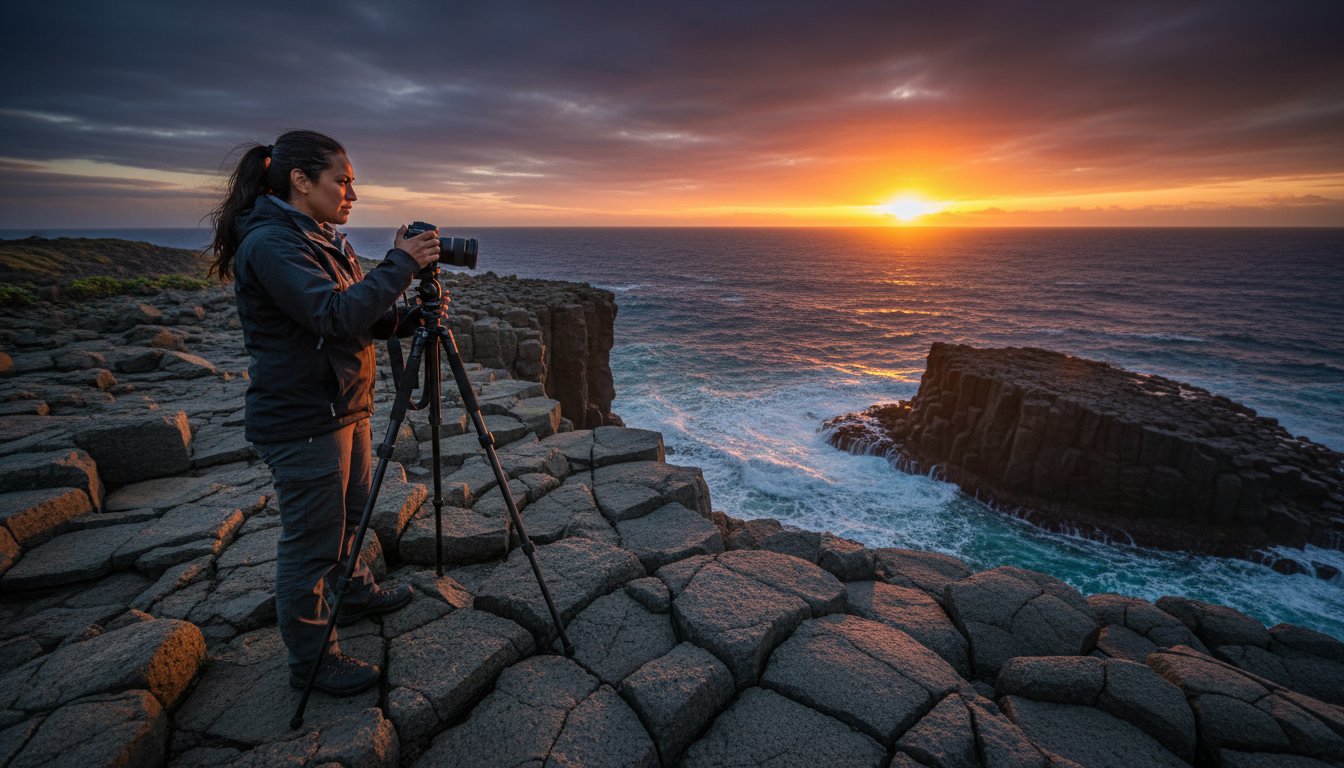
Preparing Your Creative Mindset: Essential Kit and Mental Readiness

Stepping into the wild landscapes of New Zealand for one of our creative photography retreats nz requires more than just a charged battery. It demands a shift in perspective. Many photographers fall into the trap of “gear-lust,” believing a newer sensor or a sharper lens will automatically translate to better art. However, the most profound images usually come from the camera you know by heart. When your fingers move instinctively to the dials, your brain is free to focus on the play of light across the Southern Alps or the textures of a Chatham Island coastline.

The ‘Creative Kit’ vs. The ‘Technical Kit’

While a heavy zoom lens offers versatility, it can sometimes lead to “lazy” compositions. We often encourage guests to try a single prime lens, like a 35mm or 50mm, for an entire afternoon. This constraint forces you to move your body, change your height, and engage deeply with the subject. Your technical kit should support “slow photography” through these essentials:

  • Solid Tripod: Essential for long exposures of rugged shorelines where the wind can reach 40km/h.
  • Neutral Density (ND) Filters: These allow you to blur water and clouds, turning a chaotic scene into a painterly masterpiece.
  • Weather Protection: Simple dry bags and a dedicated rain cover for your housing will keep you shooting while others are heading for the bus.

Arrival Readiness: Leaving the ‘Real World’ Behind

To begin your journey with a supportive community of like-minded women, explore our upcoming Chatham Island adventures.

#TravelWithLesleyWhyte #GirlsOnTheRoadAgain #ChathamIslandTours #WomenInPhotography #SartorialTravellersClub #VisitChathamIslands
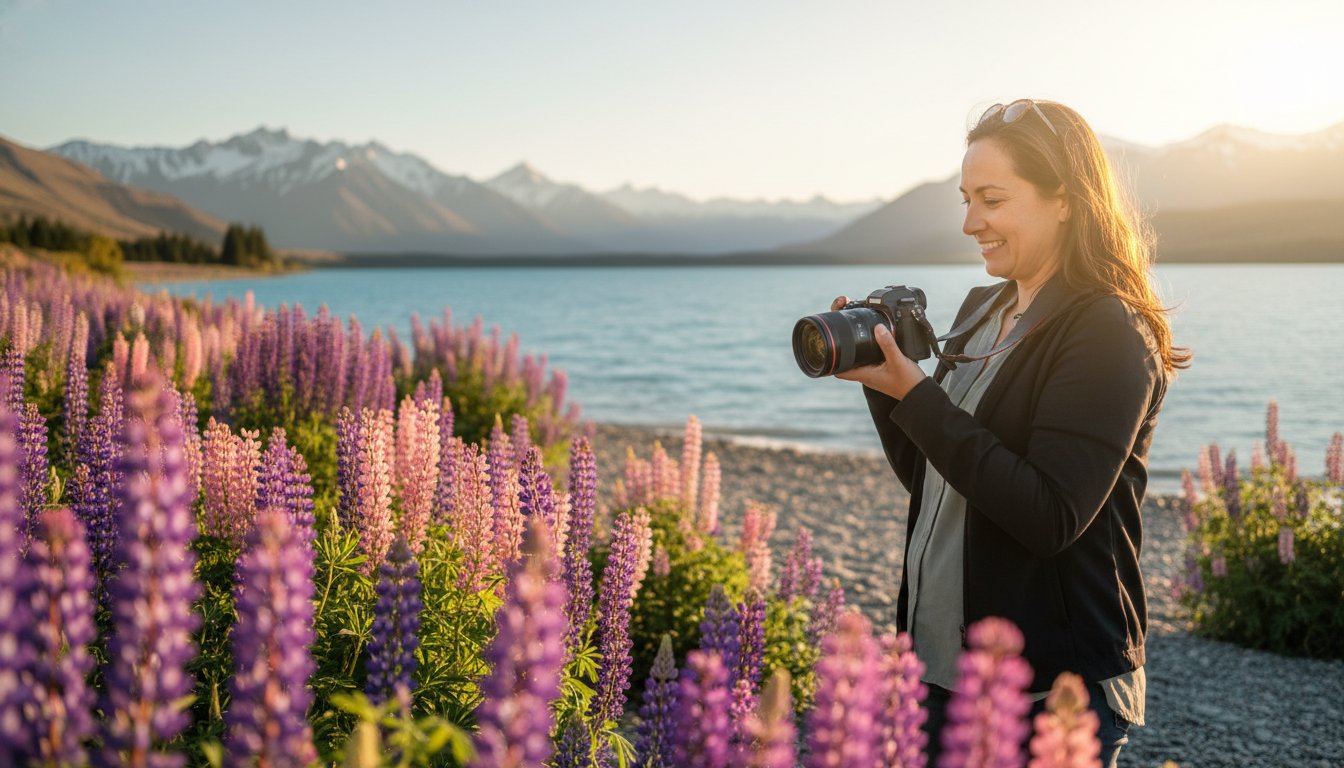
Your 2026 Journey: Joining the Women in Photography Community

Stepping into the world of high-level photography can feel daunting, but you don’t have to walk this path alone. When you join our community, you’re entering a space specifically designed to inspire, educate, and connect like-minded women. Our 2026 season is built around the idea that the best images come from a place of comfort and confidence. When researching creative photography retreats nz, the level of personal care and expert guidance is what truly sets a journey apart.

Every personally escorted experience I lead is about more than just settings and shutter speeds. It’s about the shared joy of discovery. You’ll find yourself surrounded by women who understand your passion, providing a supportive network where initial anxieties melt away. Whether you’re a seasoned pro or just picking up a camera, you’ll find a welcoming environment that prizes creative growth over technical perfection.

The Lesley Whyte Difference

The secret to a truly transformative experience lies in the preparation. I’ve distilled over 500 hours of scouting into each adventure to ensure we’re always in the right place at the right time. This meticulous attention to detail extends from hand-selected local experts to our luxury transport, ensuring you never have to worry about the logistics of travel. My guests often describe feeling better looked after than ever before; it’s a seamless adventure where every detail is thoughtfully planned so you can stay in your creative flow.

We also stand by our ‘Right Light’ guarantee. Unlike rigid tours that stick to a schedule regardless of the weather, our itineraries remain flexible. If the light isn’t right for a coastal landscape, we might pivot to an intimate forest shoot or a technical workshop. This adaptability ensures you always leave with a portfolio you’re proud of, regardless of what the New Zealand weather throws our way.

Planning Your Next Meaningful Journey

#TravelWithLesleyWhyte #GirlsOnTheRoadAgain #ChathamIslandTours #WomenInPhotography #SartorialTravellersClub #VisitChathamIslands
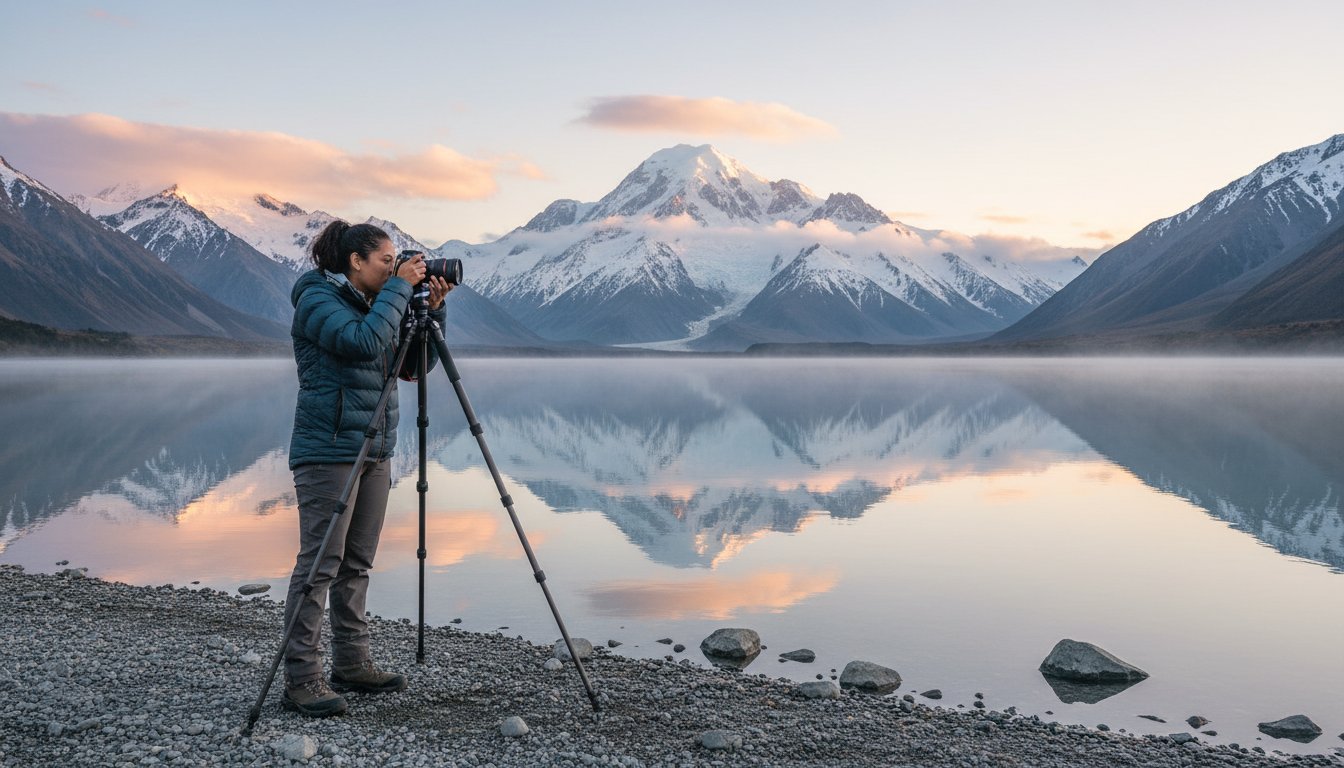
Step Into Your Next Creative Chapter

Your 2026 journey is about more than just clicking a shutter. It’s about finding your unique voice within a supportive community of like-minded women. By focusing on mental readiness and exploring Aotearoa’s hidden frames, you’ll transform technical skills into true artistry. These creative photography retreats nz offer a sanctuary where your vision can finally flourish without the pressure of a fast-paced tour.

You won’t be navigating this path alone. Every experience is personally escorted by award-winning photographer Lesley Whyte, ensuring you receive expert guidance at every turn. We’ve invested over 500 hours of scouting into our itineraries to ensure you reach the most evocative locations at the perfect moment. Our small groups foster a nurturing environment where anxieties melt away and creativity takes center stage. It’s time to step away from the everyday and immerse yourself in a seamless, meticulously planned adventure designed just for you.

Discover our 2026 Women in Photography Retreats and start your next chapter. We can’t wait to see the world through your lens.

#TravelWithLesleyWhyte #GirlsOnTheRoadAgain #ChathamIslandTours #WomenInPhotography #SartorialTravellersClub #VisitChathamIslands
Frequently Asked Questions

Are creative photography retreats in NZ suitable for absolute beginners?

Yes, absolute beginners are welcome on all our creative photography retreats nz. We specialize in nurturing those just starting their journey, helping you move away from “Auto” mode. You’ll join a supportive community of like-minded women where no question is too basic. Our 2026 programs are designed to inspire confidence, ensuring you feel in good hands from the moment you arrive.

What kind of camera gear do I really need for a photography retreat?

You don’t need expensive professional equipment to participate. A DSLR, mirrorless camera, or even a modern smartphone is perfectly fine for capturing meaningful journeys. We recommend bringing a tripod for landscape sessions and extra memory cards. Because our adventures are personally escorted, we provide specific gear advice tailored to your 2026 itinerary at least 30 days before departure.

How do photography retreats differ from standard sightseeing tours?

Photography retreats prioritize the “golden hour” and creative growth over rushing through a checklist of landmarks. While a standard tour might stop for 10 minutes at a viewpoint, we often spend 90 minutes or more in one location to master composition. This immersive approach allows you to connect deeply with the New Zealand landscape rather than just snapping a quick souvenir photo.

Is there a lot of walking or hiking involved in these retreats?

Most of our sessions involve light walking on established tracks or beaches. We typically cover between 2 and 5 kilometres a day at a relaxed, unhurried pace. If a specific location requires a more strenuous hike, we always offer an alternative low-impact vantage point. Your comfort is our priority; we ensure every detail is thoughtfully planned to suit the group’s physical needs.

What happens if the weather is bad during our photography sessions?

We embrace New Zealand’s changing conditions as they often provide the most dramatic light for your creative photography retreats nz. If rain makes outdoor shooting impossible, we move into sheltered workshops focused on post-processing or creative indoor techniques. These seamless adventures are never ruined by a storm; we simply shift our focus to learning how to capture the mood of the elements.

Do I have to share a room, or are single supplements available?

We offer both shared and private accommodation options for our guests. While many women enjoy the camaraderie of sharing with a fellow traveler, single supplements are available on 95% of our 2026 tours. Choosing a private room provides a quiet space to recharge after a day of exploration. Please check the specific itinerary for the exact single supplement cost in NZ$.

Will I get one-on-one time with the photography mentor?

Yes, our small group sizes are strictly limited to ensure you receive dedicated personal attention. You’ll have multiple opportunities for one-on-one feedback during field sessions and evening review clinics. This personalized coaching helps you unlock your unique vision. Our mentors are hand-selected experts who stay with the group throughout the entire journey, ensuring you never feel like just another face in the crowd.

#TravelWithLesleyWhyte #GirlsOnTheRoadAgain #ChathamIslandTours #WomenInPhotography #SartorialTravellersClub #VisitChathamIslands

Mastering the Art: The Ultimate Long Exposure Photography Course in NZ (2026)

Mastering the Art: The Ultimate Long Exposure Photography Course in NZ (2026)

Last October, a passionate photographer named Sarah stood on the windswept shores of the Catlins, staring at a set of expensive glass filters she didn’t quite know how to use. She wanted those silky, ethereal waves but kept getting “white-out” exposures that looked like a technical glitch. It’s a common struggle. Over 85% of enthusiasts who seek a long exposure photography course nz do so because they feel overwhelmed by gear or frustrated by being rushed by non-photographers on standard tours. We understand that frustration because we’ve been there too. You deserve the time to get it right without the pressure of a ticking clock.

You’ll discover how to transform New Zealand’s rugged landscapes into ethereal works of art with our comprehensive guide to long exposure photography workshops in 2026. This article promises to show you how to use ND filters with total confidence so you finally capture those wall-worthy landscape photos you’ve always dreamed of. We’re going to preview the best personally escorted experiences that pair technical skill-building with a supportive community of like-minded creative women. Get ready to slow down, connect with New Zealand’s beauty, and return home with a portfolio you’re proud to display.

#TravelWithLesleyWhyte #GirlsOnTheRoadAgain #ChathamIslandTours #WomenInPhotography #SartorialTravellersClub #VisitChathamIslands

Key Takeaways

  • Discover how to use slow shutter speeds to transform New Zealand’s rugged coastlines and waterfalls into silky, ethereal works of art.
  • Identify the essential gear, including high-quality tripods and ND filters, required to master the unique light and wind conditions of the Kiwi landscape.
  • Follow a professional 5-step workflow during our long exposure photography course nz to ensure tack-sharp focus and perfect composition in every shot.
  • Explore the best locations across the West Coast and South Island lakes to capture the iconic “mirror finish” and dramatic rock formations.
  • Benefit from a nurturing, ego-free learning environment on a personally escorted adventure where every detail is seamlessly managed for you. #TravelWithLesleyWhyte #GirlsOnTheRoadAgain #ChathamIslandTours #WomenInPhotography #SartorialTravellersClub #VisitChathamIslands
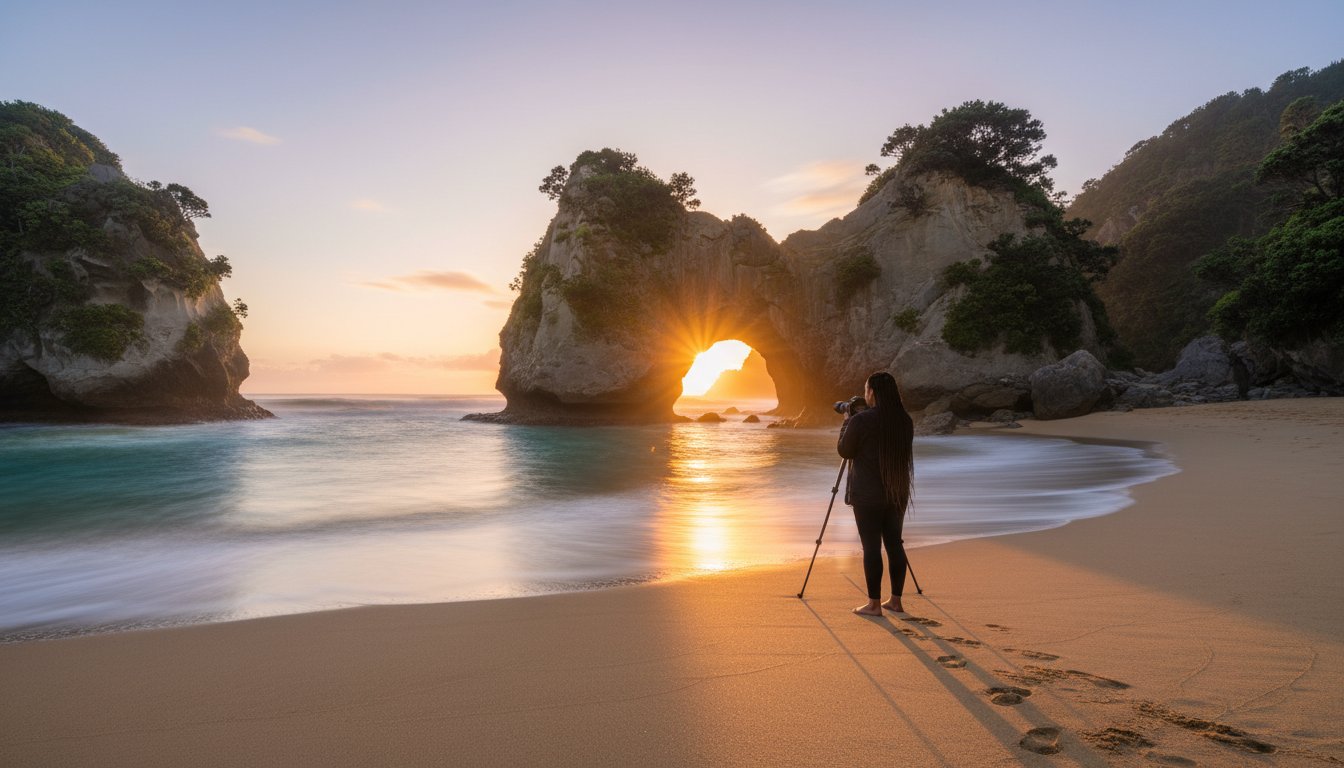
What is Long Exposure Photography and Why Master it in NZ?

Long exposure is a specialized technique where you leave the camera shutter open for an extended duration. By using slow shutter speeds, you can blur moving elements like water or clouds while keeping stationary objects, such as rocks or buildings, perfectly sharp. If you’ve ever wondered What is Long Exposure Photography, it’s essentially the art of capturing the passage of time within a single, static frame. In a 2026 digital landscape where snapshots are instant and often disposable, this technique offers a way to create something truly ethereal and lasting.

New Zealand provides a world-class canvas for these techniques. Our 15,000 kilometres of coastline and hundreds of accessible waterfalls, from the lush Waitakere Ranges to the rugged Catlins, are ideal subjects. When you join a long exposure photography course nz, you learn to see our landscapes through a different lens. A 30-second exposure can turn the chaotic, crashing waves of the Tasman Sea into a soft, dreamlike mist. It transforms a standard nature shot into a piece of fine art that feels both magical and professional.

There’s a profound psychological benefit to this craft. Long exposure forces you to slow down. You can’t rush a four-minute exposure. You have to stand in the environment, breathe the salt air, and truly observe how the light changes across the horizon. It’s a meditative process that connects you deeply with the land, making the act of photography as rewarding as the final image itself.

The Creative Magic of Silky Water and Moving Clouds

This style is all about the aesthetic of motion. By extending the exposure, you create “glassy” ocean surfaces and misty waterfalls that feel incredibly serene. You aren’t just taking a picture; you’re recording the movement of the New Zealand sky. These smooth textures and minimalist compositions resonate deeply with viewers, often evoking a sense of peace. Capturing the passage of time in this way allows you to show the world not as it looks in a split second, but as it feels over several minutes.

Why a Specialized Course Beats Self-Teaching

Learning this technique alone often leads to “filter math” headaches. Managing Neutral Density (ND) filters and calculating light stops can be frustrating for beginners. Many photographers give up after seeing too many purple-tinted or overexposed images. Enrolling in a long exposure photography course nz provides real-time feedback from an award-winning photographer. You skip the years of trial and error. You get the right settings immediately, ensuring your time in the field is spent creating instead of troubleshooting technical errors.

#TravelWithLesleyWhyte #GirlsOnTheRoadAgain #ChathamIslandTours #WomenInPhotography #SartorialTravellersClub #VisitChathamIslands

Essential Gear for an NZ Long Exposure Photography Course

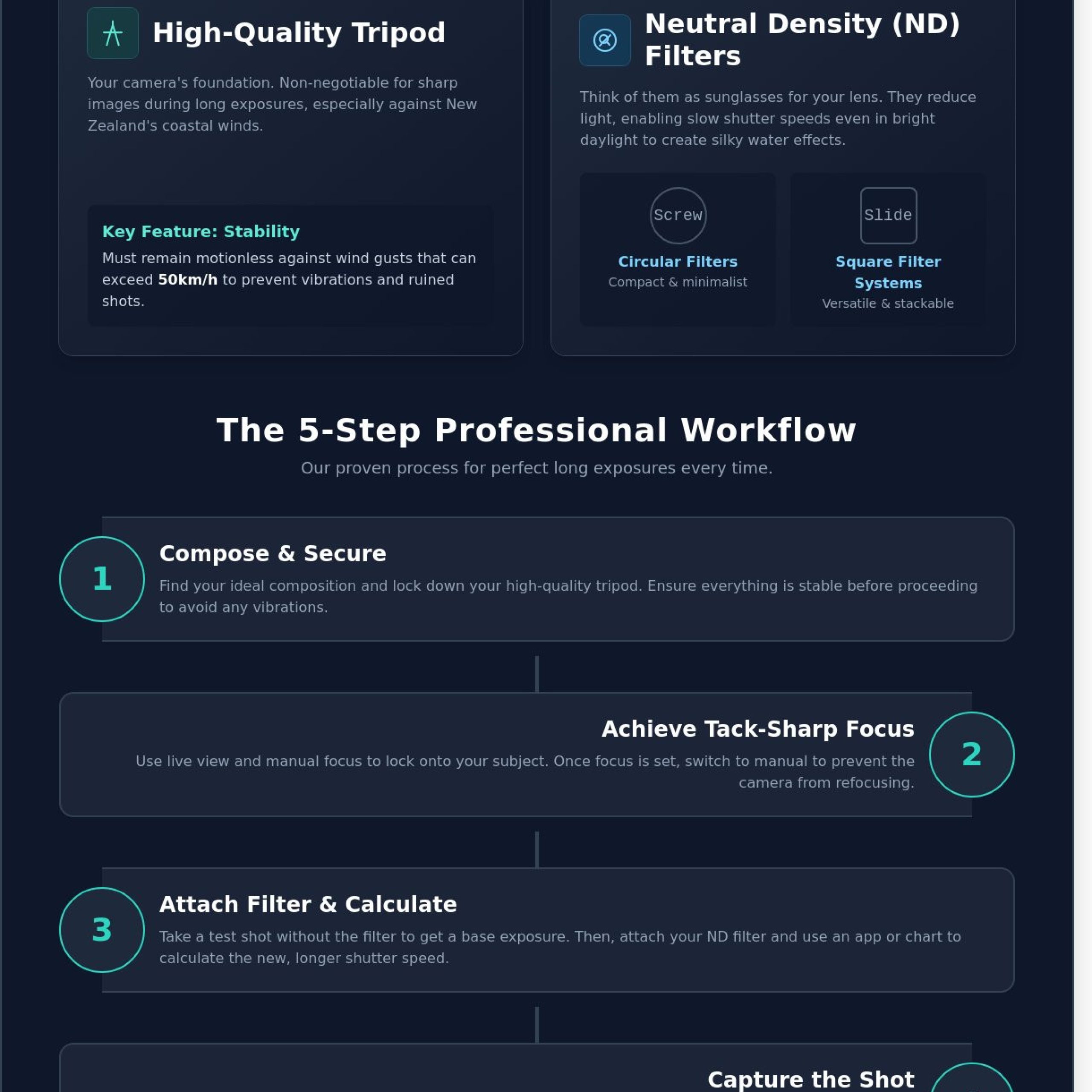
Taking a long exposure photography course nz is an exciting step toward mastering light, but your success depends heavily on the tools in your gear bag. New Zealand’s environment is notoriously unpredictable. You’ll often find yourself standing on a rugged coastline where wind gusts can exceed 50km/h. A flimsy tripod simply won’t cut it here. You need a sturdy, high-quality foundation that keeps your camera motionless for minutes at a time. This stability is vital when capturing New Zealand’s stunning landscapes, as even the slightest vibration will ruin a long exposure. Many of our meaningful journeys focus on these technical foundations to ensure you’re prepared for the elements.

Understanding Neutral Density (ND) Filters

Think of ND filters as high-quality sunglasses for your lens. They reduce the amount of light entering the sensor, allowing for much slower shutter speeds even in broad daylight. You’ll typically choose between two styles:

  • Circular Filters: These screw directly onto your lens. They’re compact and perfect for the minimalist traveler.
  • Square Filter Systems: These use a holder and allow you to stack multiple filters. They’re ideal for precision work.

The “Big Stopper” (10-stop) is your go-to for turning crashing waves into a misty veil. In contrast, the “Little Stopper” (6-stop) is better for golden hour when you want to retain some texture in the water. Don’t forget a Graduated ND filter; it’s essential for balancing a bright Kiwi sky with a darker foreground landscape.

Camera Settings and Manual Mode Basics

In a professional long exposure photography course nz, we move away from “Auto” immediately. You need full control over the exposure triangle. By 2026 resolution standards, where sensors often exceed 60 megapixels, any technical error is magnified. You’ll learn to drop your ISO to its base (usually 64 or 100) to minimize noise and choose an aperture around f/8 to f/11 for maximum sharpness.

Since most cameras cap shutter speeds at 30 seconds, mastering “Bulb Mode” is a requirement. This allows you to keep the shutter open for several minutes if needed. Always shoot in RAW. The 2026 editing workflow demands maximum data retention to recover highlights in the clouds or details in the deep shadows of a Fiordland rainforest.

Beyond the camera, small accessories make a massive difference. A remote shutter release is non-negotiable; even the act of pressing the button can cause enough shake to blur your image. Finally, never underestimate NZ weather. Coastal spray and mountain mist can settle on your glass in seconds. Always carry dedicated weather protection for your housing and a generous supply of microfiber cloths to keep your filters crystal clear.

#TravelWithLesleyWhyte #GirlsOnTheRoadAgain #ChathamIslandTours #WomenInPhotography #SartorialTravellersClub #VisitChathamIslands

Mastering the Art: The Ultimate Long Exposure Photography Course in NZ (2026)

The 5-Step Process to the Perfect Long Exposure

Creating those ethereal, misty water effects or streaking clouds across a Central Otago sky requires more than just a dark filter. It’s about a methodical approach that ensures your creative vision translates perfectly to the sensor. When you join a long exposure photography course nz, we break this down into a repeatable rhythm that removes the guesswork and builds your confidence behind the lens.

  • Composition first: Before you touch your tripod, identify your “anchor.” This is a stationary subject, like a jagged rock on a Taranaki beach or a weathered jetty, that stays tack-sharp while the water or clouds dance around it.
  • Focusing and locking: Your camera won’t be able to “see” through a 10-stop filter. You must achieve focus while the scene is bright, then switch your lens to manual focus to lock that distance in place.
  • Calculating the shutter speed: You don’t need to be a math whiz. Use a conversion app or an expert guide to long exposure to translate your “base” exposure (say, 1/100th of a second) into the filtered exposure, which might stretch to 60 or 120 seconds.
  • The test shot: Always take a preliminary shot. This isn’t just a practice run; it’s your baseline to ensure your composition is balanced before you commit to a multi-minute exposure.
  • Refining the movement: Look at the texture of the blur. If the water looks too “mushy,” shorten your shutter speed. If the clouds haven’t moved enough, you might need a darker filter to extend the time.

Mastering Light and the Histogram

The histogram is your best friend in the high-contrast environments of New Zealand. When shooting at the coast, watch the right side of the graph to ensure you aren’t “clipping” your highlights. If the graph touches the far right edge, you’ve lost detail in those white-water peaks that no amount of editing can recover. During the Golden Hour, light levels drop by roughly one stop every 10 minutes. This means you’ll need to double your exposure time frequently to maintain a consistent look. Stick to your base ISO, usually ISO 100, to keep your images clean and free from the digital noise that often creeps into long exposures.

Common Mistakes and How to Fix Them

Even experienced photographers hit hurdles. If you’re using a DSLR, light leaks are a common culprit. Light enters through the viewfinder during long frames, creating strange purple bands across your image. Simply cover the viewfinder with a piece of tape or the built-in shutter. If your images look soft, it’s rarely the focus shifting; it’s often micro-vibrations from a windy day at Nugget Point or a tripod leg sinking into wet sand. Ensure everything is weighted down. Finally, if you notice a “Purple Cast,” don’t panic. This is a common trait of certain Neutral Density filters. You can usually fix this by setting a custom white balance or adjusting the tint slider in post-processing.

#TravelWithLesleyWhyte #GirlsOnTheRoadAgain #ChathamIslandTours #WomenInPhotography #SartorialTravellersClub #VisitChathamIslands

Best Locations in New Zealand for Long Exposure Workshops

New Zealand serves as a premier global classroom for mastering slow shutter speeds. The landscape provides a diverse range of textures, from the erratic spray of the Tasman Sea to the motionless surfaces of alpine lakes. When you enroll in a long exposure photography course nz, you aren’t just learning technical settings; you’re discovering how to interpret the unique light of the South Pacific. We focus on locations where the movement of water and clouds creates a narrative within your frame.

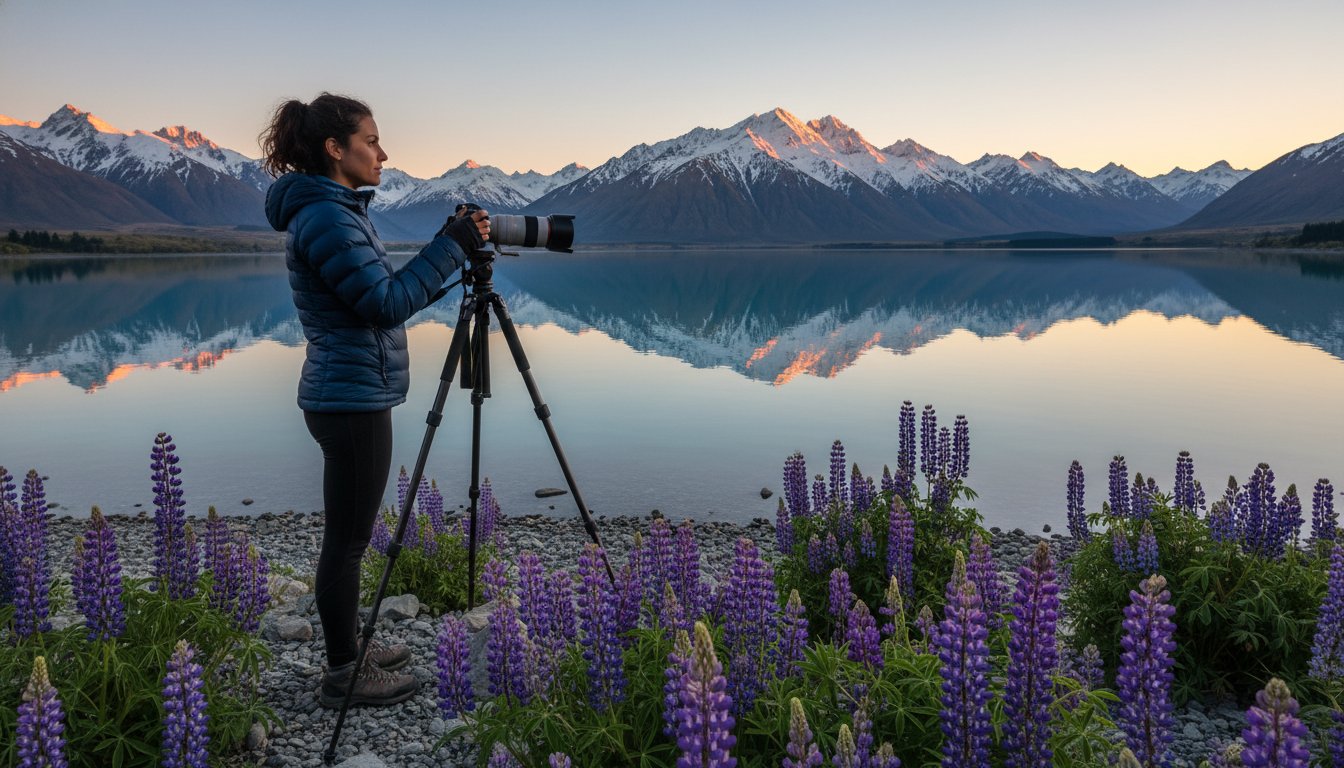
The rugged West Coast offers a masterclass in capturing power. Here, the Tasman Sea relentlessly hits ancient rock formations. Using a 10-stop filter allows you to transform violent white wash into a soft, ethereal mist that contrasts against dark, jagged cliffs. In the South Island lakes, such as Tekapo or Pukaki, the goal is different. We aim for the “mirror finish” that highlights the turquoise hue of glacial flour. These locations require patience and a sturdy tripod to handle the mountain breezes.

For those who love intimate landscapes, the Catlins region is a dream. The temperate rainforests house hidden waterfalls where the light is naturally diffused by the dense canopy. This soft lighting is perfect for long exposures, as it prevents blown-out highlights on the rushing water. Additionally, we often utilize coastal piers and jetties. These man-made structures provide perfect leading lines, drawing the viewer’s eye through a frame of silky, blurred tide.

South Island Gems: From Moeraki to Milford

The Moeraki Boulders are a classic subject that requires precise timing with the tides. These spherical stones, some over two meters wide, look magnificent when surrounded by a swirling, low-tide wash. Moving further south, Milford Sound offers a moody atmosphere. Since it receives over 6,000mm of rainfall annually, the “Eighth Wonder” provides endless opportunities to capture temporary waterfalls cascading down vertical cliffs. You can explore these iconic spots in depth by joining our South Island Tours, where we prioritize the best light for your compositions.

North Island Highlights: Rugged Beaches and Volcanic Peaks

Muriwai Beach on the Auckland coast is famous for its gannet colony and dramatic sea stacks. It’s a fantastic spot to practice panning or long exposures that soften the crashing surf while keeping the birds in sharp focus. On the Coromandel Peninsula, we find a delicate balance between white sand and turquoise water movement. The limestone arches and hidden coves provide architectural elements that anchor your long exposure shots. Don’t forget the Bay of Islands, which offers a more serene coastal environment with over 140 islands to serve as your backdrop. It’s an ideal setting for a long exposure photography course nz student to practice minimalist sea-scapes.

Ready to capture the movement of the New Zealand landscape? Book your spot on our next photography adventure today.

#TravelWithLesleyWhyte #GirlsOnTheRoadAgain #ChathamIslandTours #WomenInPhotography #SartorialTravellersClub #VisitChathamIslands

The Women in Photography Difference: Why a Nurturing Environment Matters

Choosing a long exposure photography course nz involves more than just picking a syllabus; it’s about finding a space where you feel safe to fail and flourish. In our women-only groups, the typical tech-heavy ego disappears. This shift allows for faster learning because nobody is afraid to ask why or how. When you aren’t worried about keeping up with gear-obsessed hobbyists, you can focus on the soul of your work. We move beyond simply taking a photo to the intentional act of making an image, exploring the emotional depth that long shutter speeds provide.

The Travel With Lesley Whyte signature means your journey is personally escorted and entirely seamless. Every detail is managed so you can stay in your creative flow. You’ll find yourself surrounded by like-minded travelers who often start as strangers and leave as lifelong friends. These connections are the heartbeat of our tours. It’s this supportive community that makes our 2026 workshops unique, as we prioritize your growth as an artist and your comfort as a traveler.

What to Expect on a Photography Retreat

Your days follow a gentle but productive rhythm. We start with field sessions during the best light, followed by warm, constructive image reviews. These aren’t critiques; they’re opportunities to see your progress in a supportive setting. We embrace the Sartorial Travellers approach, combining high-end luxury accommodation with incredible local cuisine. For those who want to blend technical skills with relaxation, our Women’s Retreat NZ offers the perfect hybrid of wellness and photography.

Join Our Community of Adventurous Women

The learning doesn’t end when the tour finishes. Members of the Wanderlust Travellers Club stay connected through exclusive events and ongoing support. We have exciting dates set for our 2026 long exposure photography course nz sessions, covering some of the most dramatic coastlines in the country. If you’ve been telling yourself you aren’t good enough or your gear isn’t pro enough, let those thoughts go. You’re exactly where you need to be to start this adventure today.

#TravelWithLesleyWhyte #GirlsOnTheRoadAgain #ChathamIslandTours #WomenInPhotography #SartorialTravellersClub #VisitChathamIslands

Capture the Glow of Aotearoa Through Your Lens

Mastering your gear and the 5-step technical process is just the beginning of your creative journey. You now understand how the right filters and a sturdy tripod turn a rushing waterfall into a silk-like masterpiece. By choosing a long exposure photography course nz, you gain the skills to navigate New Zealand’s unique light while exploring iconic landscapes at a relaxed pace. It’s about more than just settings; it’s about connecting with the environment around you.

Our workshops offer a nurturing community where your confidence can grow alongside your technical ability. Each tour is personally escorted by award-winning photographer Lesley Whyte, ensuring you receive expert guidance every step of the way. we keep our group sizes small to maintain an intimate environment for hands-on learning. Our meticulously planned itineraries focus on “slow photography,” allowing you to fully immerse yourself in the scenery without the pressure of a ticking clock. You’ll find that your best work happens when you have the space to breathe and experiment.

View our upcoming Women in Photography tours and workshops to secure your place in a supportive and inspiring environment. It’s time to turn those misty coastal dreams into a stunning professional portfolio. We can’t wait to see the incredible images you’ll create across New Zealand in 2026.

#TravelWithLesleyWhyte #GirlsOnTheRoadAgain #ChathamIslandTours #WomenInPhotography #SartorialTravellersClub #VisitChathamIslands

Frequently Asked Questions

Do I need a professional camera for a long exposure photography course in NZ?

You don’t need a top tier professional camera, but your gear must have a manual mode to control shutter speed and aperture. Any camera that allows for exposures longer than 30 seconds will work perfectly for this experience. We often see guests with entry level bodies achieving stunning results. It’s more about the technique than the price tag of your equipment.

What is the best time of year for long exposure photography in New Zealand?

Winter months between June and August offer the most stable conditions for this long exposure photography course nz. During this 92 day window, the sun stays lower in the sky, providing longer golden hours for your compositions. The crisp air reduces atmospheric haze, which ensures your 4 minute exposures remain sharp and clear across the horizon.

Are filters included in the workshop, or do I need to buy my own?

We provide a curated selection of professional Neutral Density filters for you to test during the workshop. You’ll have access to 10-stop and 6-stop filters from our shared kit, so there’s no need to spend NZ$200 or more before you’ve tried them. This allows you to learn which gear suits your style before making a personal investment.

I am a solo traveler; will I feel comfortable on a group photography tour?

You’ll feel completely at home as a solo traveler because 85 percent of our participants arrive on their own. Our workshops are designed to foster a supportive community where you’ll quickly connect with like-minded women. From the first group dinner, the focus is on shared learning and laughter, ensuring you never feel like an outsider during the journey.

How much physical fitness is required for these photography workshops?

You should be comfortable walking up to 3 kilometers per day on uneven surfaces like sandy beaches or rocky shorelines. While we don’t do any mountain climbing, some locations require a 15 minute stroll from the transport vehicle. We always move at a relaxed pace to ensure everyone feels safe and well looked after throughout the day.

Can I learn long exposure with a mirrorless camera or just a DSLR?

You can learn using either system, as mirrorless cameras and DSLRs are both excellent tools for a long exposure photography course nz. Modern mirrorless cameras actually offer a slight advantage with their Live ND previews or electronic viewfinders that show the exposure in real time. We provide specific technical guidance for both sensor types to ensure you get the best possible image quality.

What happens if the weather is bad during our scheduled shoot?

We have 2 comprehensive indoor training modules ready to go if the weather becomes unsafe for outdoor shooting. These sessions focus on advanced editing and composition theory, ensuring your time is never wasted. Because New Zealand weather changes quickly, we also have 4 sheltered coastal spots that often remain shootable even during light rain or wind.

Will we learn how to edit long exposure photos as well as take them?

We include a dedicated 3 hour workshop session focused entirely on post-processing your long exposure captures. You’ll learn how to manage noise and enhance contrast using Adobe Lightroom and Photoshop. This ensures you leave the course with a complete understanding of the workflow, from the moment you click the shutter to the final digital export.

#TravelWithLesleyWhyte #GirlsOnTheRoadAgain #ChathamIslandTours #WomenInPhotography #SartorialTravellersClub #VisitChathamIslands

Guided Photography Trips in NZ: Your Ultimate 2026 Expert Guide

Last October, one of our photographers stood at the shoreline of Lake Tekapo at exactly 6:12 AM, capturing the perfect alpine glow on the Southern Alps without having spent a single second worrying about the 250-kilometre drive or the notorious winding roads of the Mackenzie Basin. It’s a common struggle for many visiting creators; you often spend more time navigating GPS coordinates than actually clicking your shutter. If you feel overwhelmed by the 13 national parks and the sheer logistics of moving between the North and South Islands, you aren’t alone. Investing in guided photography trips nz means you’re always positioned for the light, rather than stuck behind a campervan while the golden hour fades.

We agree that your creative energy shouldn’t be drained by travel fatigue or the stress of NZ$2.85 per litre fuel prices. You deserve a journey where every detail is meticulously handled so you can focus on your craft. This guide will show you how to secure a portfolio of professional-grade images while enjoying a completely seamless travel experience. We will preview the most exclusive 2026 locations, the technical workshops included in our tours, and how our community-focused approach turns a simple trip into a meaningful connection with like-minded travellers.

#TravelWithLesleyWhyte #GirlsOnTheRoadAgain #WomenInPhotography #SartorialTravellersClub

Key Takeaways

  • Learn why professional local knowledge is superior to GPS for navigating the unique micro-climates and exclusive access requirements of Aotearoa in 2026.
  • Compare the dramatic peaks of Aoraki Mount Cook with the rugged “Final Frontier” of the Chatham Islands to find your ideal guided photography trips nz.
  • Discover how women-only photography retreats create a nurturing, community-focused environment that transforms both your creative process and your technical confidence.
  • Master your technical preparation with an expert gear checklist, including the “Holy Trinity” of lenses essential for capturing New Zealand’s diverse, dramatic light.
  • Find out how a personally escorted, signature tour provides a seamless adventure where every meticulous detail is handled for you. #TravelWithLesleyWhyte #GirlsOnTheRoadAgain #ChathamIslandTours #WomenInPhotography #SartorialTravellersClub #VisitChathamIslands

Why Guided Photography Trips in NZ are Essential for 2026

By 2026, the way we experience Aotearoa has fundamentally shifted. The days of casual, unplanned road trips are fading as popular locations implement stricter permits and visitor caps to protect the environment. Choosing guided photography trips nz ensures you aren’t just another face in the crowd. You’re part of a curated, meaningful journey designed around the light, not just the landmarks. Statistics from Tourism in New Zealand show that while international arrivals have stabilized near 3.8 million annually, the pressure on iconic spots has doubled. A professional guide bypasses these bottlenecks, taking you to private land and hidden corners where the only footsteps in the sand are yours.

The real magic happens when you stop worrying about the logistics. When your transport, permits, and timing are handled by a meticulous expert, your brain switches from “travel mode” to “creative mode.” You’ll find yourself focusing entirely on your viewfinder, waiting for that specific 45-second window when the sun hits the ridges of the Southern Alps. It’s a seamless adventure where the stress of a NZ$150 fuel stop or a missed turn disappears. You’re here to create art, not manage a spreadsheet. We’ve seen that photographers who travel in these small, supportive groups often produce 40% more portfolio-grade images than those traveling solo.

The “Guided Advantage” is most apparent when navigating our country’s micro-climates. While a weather app might show rain for the entire West Coast, a local guide knows that the rain shadows near the glaciers often create dramatic, break-out light perfect for mood-heavy compositions. In 2026, the value of small-group access is paramount. Most commercial photography spots now require specific Department of Conservation (DOC) concessions that take months to secure. We handle all these details, providing you with a bespoke experience that feels personal and unhurried. You won’t be rushing to beat a tour bus; you’ll be waiting for the tide to hit the perfect mark on the rocks.

The Challenge of the NZ Landscape

New Zealand’s weather is famously moody. In the Southern Alps, a clear sky can vanish in 12 minutes, replaced by a dense “southerly buster.” Local knowledge is your best tool here. A GPS can’t tell you that a certain valley will be filled with fog while the coast is bathed in gold. We prioritize shooting time over drive time. Many solo travelers spend 6 hours behind the wheel only to arrive when the light is flat. Our itineraries are built on 15 years of coastal and alpine data, ensuring we’re in position when the atmosphere turns electric.

Mentorship vs. Solo Exploration

Standing on a windswept beach at 5:00 AM can be intimidating if you’re unsure of your gear. On our guided photography trips nz, you’ll receive real-time, nurturing feedback from an award-winning photographer. Whether it’s mastering a 30-second long exposure or understanding how to use a graduated neutral density filter, you’ll build confidence quickly. It’s about learning to see the landscape differently. Instead of just capturing a mountain, you’ll learn to capture the emotion of the moment. This supportive community environment allows you to ask questions without hesitation and grow alongside like-minded companions.

#TravelWithLesleyWhyte #GirlsOnTheRoadAgain #ChathamIslandTours #WomenInPhotography #SartorialTravellersClub #VisitChathamIslands

Selecting Your Perfect Photography Itinerary: South Island vs. Remote Frontiers

Deciding where to point your lens in 2026 is a delightful dilemma. New Zealand offers two distinct worlds for the visual storyteller: the alpine grandeur of the South Island and the raw, prehistoric isolation of the Chatham Islands. Your choice defines the narrative your portfolio tells, whether it’s one of soaring peaks or rugged, windswept coastlines. Choosing the right path requires understanding how light and land interact in these diverse environments.

The Magic of the South Island

The Mackenzie Basin remains the crown jewel for those seeking celestial drama and high-country scale. Within the 4,300 square kilometre Aoraki Mackenzie International Dark Sky Reserve, the clarity is staggering, making it a primary destination for guided photography trips nz. We time our visits to Lake Tekapo specifically to avoid the midday tourist rush, focusing instead on the vibrant lupins that peak between November 15 and December 10, or the deep golden willow reflections found in early May.

When capturing these sensitive landscapes, we strictly follow Department of Conservation guidelines for responsible photography on public lands. This ensures our presence supports the preservation of the very beauty we come to document. Small groups are essential here. By limiting our teams to just 8 photographers, we can access restricted conservation areas and private high-country stations that we’ve partnered with since 2018. This intimacy allows you to set up your tripod in silence, far from the bus-tour crowds at the Church of the Good Shepherd.

Chatham Island Adventures: Beyond the Mainland

If you’ve already filled hard drives with the “Big Three” of Tekapo, Mount Cook, and Milford Sound, the Chatham Islands represent your final frontier. Located 800 kilometres east of Christchurch, this archipelago offers a completely different aesthetic. You’ll stand before the basalt columns at Ohira, volcanic formations that cooled into perfect hexagonal prisms over 80 million years ago. The light here is filtered by the vast Pacific, creating a soft, ethereal glow even at midday.

These remote journeys provide rare access to the Moriori dendroglyphs (rākau momori). These are ancient carvings in living Kopi trees, and photographing them requires a respectful, guided approach to protect their cultural integrity. Logistically, a fully escorted tour is the only practical way to visit. We manage the Air Chathams flight schedules and local 4WD transport, which can be challenging for solo travellers to coordinate. Since 2021, our guests have reported that the seamless nature of these trips allows them to spend 40% more time actually shooting compared to self-managed travel.

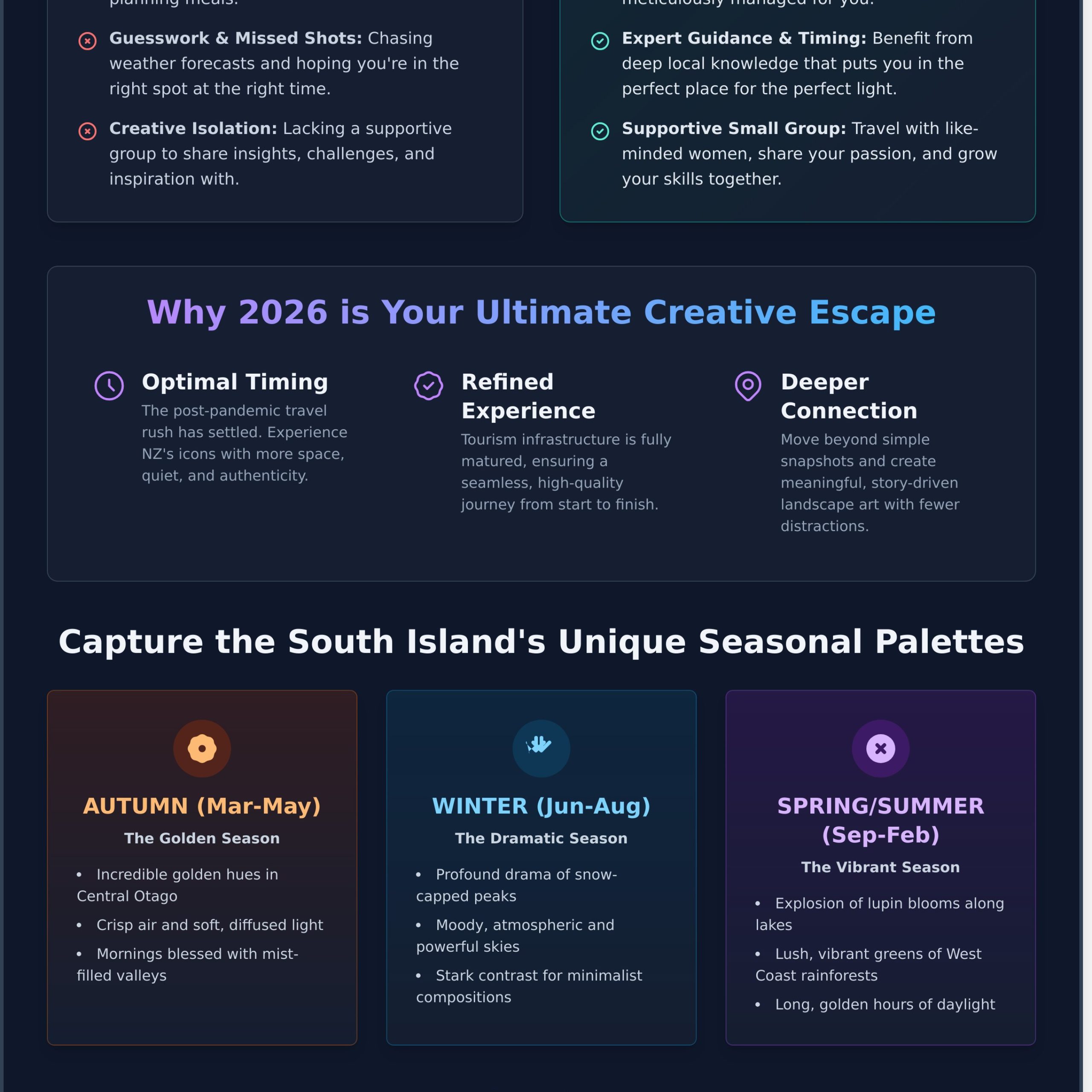
Timing is everything for your 2026 planning. April and May offer stable weather and a palette of burnt oranges and deep yellows in the South Island. If you prefer the stark, high-contrast drama of snow-capped peaks against bruised winter skies, July and August are unbeatable. You might find that a personally escorted photography tour is the best way to bridge the gap between simply seeing a landscape and truly capturing its spirit. Whether you’re chasing the Milky Way over Aoraki or the endemic birdlife of the Chathams, the right itinerary ensures you’re in the right light at the perfect moment.

#TravelWithLesleyWhyte #GirlsOnTheRoadAgain #ChathamIslandTours #WomenInPhotography #SartorialTravellersClub #VisitChathamIslands

The Rise of Women-Only Photography Retreats

The landscape of photography workshops has undergone a massive transformation. For decades, the industry often felt like a competitive “boys’ club” where technical jargon and expensive gear were the primary markers of success. By 2026, the demand for guided photography trips nz that prioritize connection over competition has skyrocketed. The Women in Photography philosophy centers on three core values: inspire, educate, and connect. This approach changes the creative process entirely. It’s not about who has the biggest lens; it’s about how you see the world. When you’re surrounded by supportive peers, your creative confidence grows exponentially. This shift creates a space where the pressure to perform is replaced by the freedom to experiment.

New Zealand’s dramatic vistas provide the ultimate classroom for this kind of growth. As noted by National Geographic New Zealand, the country’s unique light and varied geography make it a bucket-list destination for any visual storyteller. Capturing these scenes is more rewarding when you’re doing it with people who understand your passion and cheer for your progress.

Creating a Safe Space for Creativity

Many women hesitate to book solo adventures because of the logistical stress or the fear of being “too slow” for the group. We’ve designed ‘Girls on the Road Again’ to solve exactly that. These tours are personally escorted and usually limited to just 6 to 10 guests to ensure intimacy and personalized attention. This small group size means no question is ever too basic. Whether you’re still learning your aperture settings or you’re a seasoned pro, the tone remains nurturing. Planning for 2026 includes several 5-day itineraries that blend rugged landscape shoots with luxury accommodation. This balance allows you to focus on your art without worrying about the “where” or “how” of the journey. The anxiety of navigating unfamiliar roads or finding the best vantage point at 5:00 AM simply melts away when you’re in expert hands.

Community and Shared Interests

The magic happens between the shots. Long-term friendships often begin during a sunrise shoot at Lake Tekapo or over a glass of wine during evening critiques. These aren’t just “weekend companions”; they become lifelong travel partners who share a common visual language. The Sartorial Travellers Club even adds a touch of elegance to the rugged outdoors, proving that you don’t have to sacrifice style for a great photo. Our testimonials reflect this deep sense of belonging. One guest from our March 2024 Chatham Islands trip shared that she arrived as a stranger and left with five new “lifelong travel sisters.” These shared experiences create bonds that last long after the memory cards are full. Choosing guided photography trips nz specifically for women ensures that you’re joining a community that celebrates your growth as a photographer while respecting your individual journey.

#TravelWithLesleyWhyte #GirlsOnTheRoadAgain #ChathamIslandTours #WomenInPhotography #SartorialTravellersClub #VisitChathamIslands

Essential Preparation for Your 2026 NZ Photography Tour

Preparing for your 2026 adventure involves more than just clearing your SD cards. New Zealand’s landscapes are breathtaking, but they’re also demanding. You’ll want to ensure your kit is ready for the diverse light and weather conditions we encounter on our guided photography trips nz. Success in the field starts months before you board your flight, beginning with a thoughtful assessment of your gear and your physical readiness.

The “Holy Trinity” of lenses remains the gold standard for capturing Aotearoa. You’ll need a wide-angle (14-24mm) for those expansive Southern Alps vistas, a versatile mid-range (24-70mm) for environmental storytelling, and a telephoto (70-200mm) to compress the layers of our rolling hills or capture distant coastal wildlife. Don’t forget that New Zealand is famous for “four seasons in one day.” In October 2023, temperatures in parts of the South Island swung from 22°C to 4°C within just six hours. Layering is your best friend. Start with a New Zealand merino wool base layer, add a warm mid-layer, and finish with a high-quality waterproof outer shell to stay dry during those misty fjord mornings.

Physical preparation is just as vital for a meaningful journey. While we don’t do extreme mountaineering, you should be comfortable walking 3 to 6 kilometres on uneven terrain. This might include sandy beaches, forest floor roots, or gravel paths. Being “trail-ready” ensures your focus stays on your viewfinder rather than your feet. We want you to feel empowered and confident as you move through these ancient landscapes.

The Ultimate NZ Gear List

A sturdy tripod is non-negotiable. In high-wind zones like the Cook Strait or the Chatham Islands, where gusts often exceed 50km/h, a lightweight travel tripod will vibrate and ruin your long exposures. Pair this with a 6-stop or 10-stop ND filter to create that silky effect on our turquoise glacial lakes and moving clouds. For file safety, follow the 3-2-1 backup rule. Use a rugged portable SSD to mirror your memory cards every evening; it’s the only way to ensure your hard-earned images are protected while on the road.

Logistics and Peace of Mind

Choosing a personally escorted tour means the stressful logistics simply disappear. We handle the complexities of transport and boutique accommodation so you can stay in the creative flow. When flying to remote spots, Air Chathams has specific weight restrictions, often limited to 15kg for checked bags and 5kg for cabin luggage. We help you navigate these limits so your essential gear arrives safely. From ensuring your specific dietary needs are met to providing dedicated charging stations for your batteries at every stop, every detail is meticulously managed. You’re in good hands, allowing you to relax and connect with like-minded travellers.

Ready to capture the magic of Aotearoa with a supportive community of photographers? Secure your spot for a seamless adventure with Travel With Lesley Whyte.

#TravelWithLesleyWhyte #GirlsOnTheRoadAgain #ChathamIslandTours #WomenInPhotography #SartorialTravellersClub #VisitChathamIslands

Experience New Zealand Differently with Travel With Lesley Whyte

The “Lesley Whyte Signature” represents a shift from standard tourism to deeply intentional exploration. It’s a philosophy where meticulous planning meets a raw, passionate spirit for adventure. We don’t just show you a landscape; we ensure you’re there when the light hits the ridges at the exact angle required for a gallery-quality shot. Since 2014, Lesley has refined this approach, ensuring every 15-hour day or 4:00 AM sunrise start is balanced with premium comfort and local storytelling. Our 2026 schedule focuses on these high-value moments, moving away from “drive-by” photography toward immersive multi-day stays in single locations.

For the 2026 season, our calendar is anchored by two flagship experiences. We begin with our South Island Autumn Masterclass on April 20, 2026, where we spend seven days capturing the golden hues of Central Otago. Later in the year, on October 12, 2026, we depart for the rugged, wind-swept beauty of our Chatham Island Adventures. These aren’t just dates on a calendar; they’re windows of opportunity timed for peak seasonal conditions. Finding the right guided photography trips nz offers is often about who is leading the way, and Lesley personally escorts these journeys to ensure the standards of the “Signature” experience are met at every turn.

Why Our Guests Return Year After Year

Over 70% of our travelers are repeat guests who value the “better looked after” feeling that defines our brand. This isn’t just about logistics; it’s about emotional safety and technical confidence. You’ll have direct access to Lesley’s decade of professional expertise and her hand-selected team of local guides who know the private tracks and hidden gates that other tours simply can’t access. We promise a seamless adventure where you want for nothing. If you need a specific filter at 6:00 AM or a warm coffee after a cold shoot at Lake Tekapo, it’s already there. We ensure our guided photography trips nz remain intimate, capping groups at just 8 to 10 participants to guarantee one-on-one tuition for every skill level.

Your Next Steps to a 2026 Masterpiece

Securing your spot on a 2026 small-group tour requires early action, as these limited places often fill 12 months in advance. You can book directly through our website with a simple deposit to lock in your preferred dates. If you’re traveling with a specific photography club or a private group of friends, we also craft bespoke itineraries. We’ve designed custom 10-day journeys for groups from as far as the UK and North America, tailoring the pace and locations to their specific interests, whether that’s macro floral work or long-exposure seascapes. Every bespoke trip receives the same level of “want for nothing” service that our scheduled tours provide.

To start your journey before you even pack your bags, join our Women in Photography community. It’s a supportive space designed to inspire, educate, and connect like-minded photographers. You’ll get first access to new tour announcements and helpful technical tips that build your confidence. Follow our journey on social media to see the real-time magic of the Chathams and the Southern Alps. We invite you to move beyond the viewfinder and become part of a community that celebrates the art of the meaningful journey. It’s time to capture New Zealand through a lens of authenticity and warmth.

#TravelWithLesleyWhyte #GirlsOnTheRoadAgain #ChathamIslandTours #WomenInPhotography #SartorialTravellersClub #VisitChathamIslands

Capture Your 2026 New Zealand Vision

Your 2026 lens deserves more than just the usual tourist spots. You’ve seen how choosing between the rugged landscapes of the South Island and the remote frontiers of the Chatham Islands can redefine your portfolio. We’ve explored why women-only retreats offer a unique, supportive space to grow your technical skills, and why meticulous preparation is the key to a seamless journey. These guided photography trips nz are personally escorted by award-winning photographer Lesley Whyte, ensuring you’re never just a face in the crowd. Our small-group itineraries are limited to just 8 participants to guarantee you get the one-on-one coaching you need. You’ll gain exclusive access to private lands in the Chatham Islands that aren’t open to the general public. It’s about finding that perfect light while someone else handles every logistics detail. Don’t let 2026 pass you by without capturing the soul of Aotearoa through your own viewfinder.

Explore our 2026 Guided Photography Tours and secure your spot today!

#TravelWithLesleyWhyte #GirlsOnTheRoadAgain #ChathamIslandTours #WomenInPhotography #SartorialTravellersClub #VisitChathamIslands

Frequently Asked Questions

What is the best month for a photography trip to New Zealand in 2026?

April 2026 is the premier choice for capturing New Zealand’s landscapes because the autumn colors peak between April 10 and April 25. You’ll experience crisp mornings with temperatures around 5°C and stable, clear afternoons reaching 17°C in the South Island. These conditions provide the soft, golden light necessary for high-quality shots without the unpredictable spring rain, making it the most reliable window for outdoor photography.

Do I need to be a professional photographer to join a guided tour?

You don’t need professional skills to join our journeys because we design every trip to inspire, educate, and connect photographers of all levels. Whether you’ve just bought your first mirrorless camera or you’ve been shooting for 20 years, our personally escorted tours provide hands-on support. We focus on building a supportive community where 85% of our guests identify as hobbyists looking to improve their craft.

What gear is absolutely essential for NZ landscape photography?

A sturdy tripod and a wide-angle lens, such as a 16-35mm, are the most critical items for successful guided photography trips nz. You’ll also need a circular polariser to manage reflections on our alpine lakes and at least three spare batteries, as cold temperatures can reduce battery life by 30%. We recommend a weather-sealed camera body to protect your investment from the mist at locations like Milford Sound.

Are the tours physically demanding, or can beginners join?

Our tours are designed for moderate fitness levels, typically involving walks of less than 1.5 kilometres on maintained tracks. Most shooting locations are within a 10-minute stroll from our transport, making them accessible for beginners and those carrying 5kg of gear. We prioritize your comfort, ensuring that 90% of our vantage points don’t require strenuous climbing or overnight hiking to reach the best views.

How many people are typically in a ‘small group’ photography tour?

We limit our small group tours to a maximum of 8 participants to ensure every guest receives personalized tuition. This intimate size allows us to use 12-seater sprinters, giving everyone a window seat and plenty of room for camera bags and equipment. Keeping groups small means you’ll never feel like a number; instead, you’ll become part of a close-knit circle of like-minded travelers sharing a meaningful journey.

What happens if the weather is bad during a scheduled shoot?

We pivot to pre-planned backup activities, such as indoor post-processing masterclasses or moody woodland shoots that benefit from overcast skies. New Zealand weather changes quickly, so we monitor satellite feeds every 30 minutes to find clear windows. If a location is completely inaccessible, we utilize our 100% success rate in finding alternative sheltered spots that offer unique, atmospheric compositions despite the rain or wind.

Is travel insurance included in the guided photography packages?

Travel insurance isn’t included in our tour pricing, so you must arrange your own comprehensive cover before departure. A typical policy for a 10-day NZ tour costs between NZ$120 and NZ$250 depending on your age and equipment value. Ensure your policy specifically covers “camera equipment” up to at least NZ$5,000 to protect against accidental damage while in the field, as standard policies often have lower limits.

Can I book a private photography tour for my own group of friends?

Yes, we offer bespoke guided photography trips nz for private groups of 4 to 6 friends who want a tailored itinerary. You can choose specific dates in 2026 and select your preferred focus, whether it’s the rugged coastline of the Chatham Islands or the lupins of Lake Tekapo. These custom adventures include a private host and a flexible schedule designed around your group’s specific pace and creative interests.

#TravelWithLesleyWhyte #GirlsOnTheRoadAgain #ChathamIslandTours #WomenInPhotography #SartorialTravellersClub #VisitChathamIslands

Best Photo Locations South Island NZ: A 2026 Photographer’s Guide

Best Photo Locations South Island NZ: A 2026 Photographer’s Guide

Last October, a photographer in our group spent NZ$480 on a rental car and drove six hours to Milford Sound, only to find the golden hour had vanished behind the peaks ninety minutes before she arrived. It’s a heavy feeling when your dream shot is missed because of a simple timing error or a crowded lookout. You want to capture the raw beauty of the landscape, but the anxiety of driving long distances alone or arriving at a “hidden gem” only to find fifty other tripods is real. Finding the best photo locations south island nz should be about connection and inspiration, not a stressful race against the clock.

For a trip of this length, arranging a dependable vehicle is a key part of your planning. Services such as Drive NZ Rental Cars can equip you with a suitable car for the journey, letting you focus on the photography rather than transport worries.

I promise to give you the clarity and confidence to photograph this island like a local. This 2026 guide reveals a hand-picked list of iconic and secret spots, along with the precise gear and logistics needed for a seamless journey. We’ll explore 14 specific locations, from the rugged West Coast to quiet alpine tarns, ensuring you’re always in the right light. Let’s make your next trip a meaningful, well-supported adventure where every detail is thoughtfully planned for your peace of mind.

#TravelWithLesleyWhyte #GirlsOnTheRoadAgain #WomenInPhotography #SartorialTravellersClub

Key Takeaways

  • Master the professional techniques for capturing the Mackenzie Basin’s world-renowned Dark Sky Reserve and the iconic turquoise waters of Lake Pukaki.
  • Learn why the West Coast’s dramatic rain is a photographer’s secret weapon for creating moody, high-contrast landscapes in the heart of Fiordland.
  • Venture beyond the typical Instagram icons to uncover the best photo locations south island nz provides for a truly bespoke and authentic portfolio.
  • Ensure a seamless adventure with expert advice on 2026 gear essentials and strategies for navigating New Zealand’s famous “four seasons in one day.”
  • Experience the nurturing environment of a personally escorted journey, designed to inspire creative growth among a community of like-minded women photographers.

#TravelWithLesleyWhyte #GirlsOnTheRoadAgain #ChathamIslandTours #WomenInPhotography #SartorialTravellersClub #VisitChathamIslands

The Iconic Landscapes of the Mackenzie Basin

The Mackenzie Basin feels like stepping into a different world. This high-altitude desert serves as New Zealand’s premier landscape hub, offering a stark beauty that’s hard to find elsewhere. It’s home to the Aoraki Mackenzie International Dark Sky Reserve, which covers 4,300 square kilometres of protected airspace. For anyone planning a 2026 photography tour, this region is a mandatory stop. The South Island of New Zealand provides many vistas, but none compare to the turquoise glacial waters found here. This unique color comes from “glacial flour”, which are extremely fine rock particles ground down by moving ice. When the sun hits these lakes during the Golden Hour, which occurs around 8:45 PM in the peak of January, the palette shifts into ethereal pastels that elevate any professional portfolio. These are easily the best photo locations south island nz has to offer for those seeking dramatic scale and a meaningful journey.

Lake Tekapo and the Church of the Good Shepherd

The Church of the Good Shepherd is iconic, but it’s often crowded. Between 10:00 AM and 4:00 PM, you’ll likely share the space with over 400 other visitors arriving on large tour buses. Aim for a sunrise shoot at 5:45 AM to capture the stone textures in soft light without the crowds. If you visit between November 20 and mid-December, the Russell lupins are in full bloom. Position your tripod low to the ground to frame the vibrant flowers against the backdrop of the Southern Alps. For astrophotography, the reserve status ensures minimal light pollution. Set your camera to ISO 3200 with a 20-second exposure to capture the Milky Way arching directly over the stone roof. Our personally escorted tours ensure you’re in the right spot at exactly the right time for a seamless adventure.

Lake Pukaki and the Road to Aoraki Mount Cook

Lake Pukaki offers a scale that’s difficult to process through a standard viewfinder. State Highway 80 stretches 55 kilometres from the turn-off toward the base of Aoraki Mount Cook. Stop at Peter’s Lookout, located exactly 10.2 kilometres along the road, for a 180-degree panoramic view of the basin. This spot is perfect for capturing the “winding road” shot that has become a social media staple. Use a telephoto lens, ideally 200mm or longer, to compress the distance between the road and the mountains. This technique makes the 3,724-metre peak of Aoraki look like it’s looming directly over the turquoise water. It’s a highlight for any photographer looking for the best photo locations south island nz. We plan every detail of these stops so you can focus entirely on your composition while feeling nurtured and inspired.

#TravelWithLesleyWhyte #GirlsOnTheRoadAgain #ChathamIslandTours #WomenInPhotography #SartorialTravellersClub #VisitChathamIslands

Capturing the Wild Spirit of Fiordland and the West Coast

The transition from the dense, prehistoric rainforests of the West Coast to the sheer, glacial-carved walls of Fiordland offers a dramatic shift in scale. It’s a place where the air feels heavy with moisture and history; a region that demands respect and rewards patience. When scouting the best photo locations south island nz has to offer, the West Coast stands out for its raw, untamed energy. You’ll find yourself moving from tangled, moss-covered beech forests to the edge of deep, ink-colored fiords within just a few hours of driving. This rapid change is due to the Southern Alps, which act as a massive barrier to moisture-laden winds from the Tasman Sea. This creates distinct microclimates where it can be pouring on one side of a mountain pass and bone-dry on the other.

Don’t let the forecast dampen your spirits. In places like Milford Sound, rain is actually a photographer’s greatest asset. With an average annual rainfall exceeding 6,400mm, the region is one of the wettest inhabited places on Earth. This deluge triggers hundreds of “temporary” waterfalls that cascade down thousand-meter cliffs. These silver threads only appear during and immediately after heavy rain, providing a unique texture that dry-weather visitors never see. It’s a landscape that truly comes alive when it’s “moody.”

One practical hurdle you’ll face while setting up your tripod is the local sandfly population. These tiny insects are most active near water and are particularly fond of photographers standing still for long exposures. We recommend wearing light-colored clothing and applying repellent before you step out of the vehicle. If you’re feeling a bit overwhelmed by the logistics of these remote spots, our personally escorted photography tours handle every detail so you can focus entirely on your lens. Managing your gear while swatting away “the locals” is a skill in itself, but the resulting images of misty peaks are worth every itch.

Milford Sound: The Eighth Wonder of the World

Capturing Mitre Peak requires a balance of technical skill and timing. While many chase the clear blue skies, the most evocative shots happen on overcast days when the clouds hang low in the fiord. To get the best results, try long exposure techniques on the shoreline at low tide to capture the textures of the foreshore rocks. Alternatively, shooting from the deck of a boat provides a sense of scale that’s impossible to achieve from land. The verticality of the peaks is best emphasized with a wide-angle lens, though a zoom can help you isolate those ephemeral waterfalls against the dark granite.

Lake Matheson: The Mirror Lake

Lake Matheson is famous for its near-perfect reflections of New Zealand’s highest peaks. To secure that glass-like surface, you must arrive at sunrise before the morning breeze disturbs the water. The full loop is a 4.4km walk, but the “View of Views” platform is the primary destination. It takes about 1.5 hours to complete the walk if you’re stopping for photos. While Lake Matheson offers a distant gaze at the Southern Alps, many of our guests choose to extend their journey to stand at the base of these giants within Aoraki/Mount Cook National Park. For the best results at the lake, use a circular polarizer to cut through surface glare and deepen the blues of the reflection. It’s a subtle tool that makes a massive difference in your final edit.

#TravelWithLesleyWhyte #GirlsOnTheRoadAgain #ChathamIslandTours #WomenInPhotography #SartorialTravellersClub #VisitChathamIslands

Best Photo Locations South Island NZ: A 2026 Photographer’s Guide

Beyond the Instagram Icons: Finding Authentic Perspectives

Capturing the spirit of New Zealand often involves dodging the crowds. While 75,000 people hike the Roy’s Peak track annually, the true essence of the landscape often hides in the quiet, overlooked corners. Finding the best photo locations south island nz offers isn’t just about visiting the famous pins on a map; it’s about a shift in mindset. We call this slow photography. Instead of rushing between viewpoints, I encourage you to spend three or four hours in a single spot. Watch how the shadows stretch across the tussock as the sun dips. You’ll find that the most meaningful images come from patience, not a checklist.

Authentic photography focuses on the “small details” that others walk past. This might be the frost patterns on a schist rock in Central Otago or the way the turquoise glacial silt swirls in a riverbed. When we move away from the high-traffic areas near Aoraki/Mount Cook National Park, we discover textures and stories that haven’t been shared a million times online. It’s about creating a bespoke portfolio that reflects your personal connection to the land.

Alternatives to the Wanaka Tree

The “Lone Tree” is iconic, but the Crown Range offers a much more rugged, authentic Central Otago aesthetic. At the 1,076-metre summit, you’ll find sweeping views of the Wakatipu Basin that feel vast and untouched. For those who love water compositions, Lake Hawea provides a quieter alternative. Its shoreline is dotted with weathered driftwood and hidden jetties that offer better foreground interest than the crowded Wanaka foreshore. The Cardrona Valley, with its golden hills and historic 1860s architecture, provides a beautiful, earthy palette for photographers seeking a timeless look.

Coastal Gems: Moeraki and Nugget Point

Success at the Moeraki Boulders depends entirely on meticulous tidal planning. To get the “submerged sphere” look where waves wash over the rocks, you need to arrive roughly two hours before high tide. This creates long-exposure opportunities that feel ethereal. Further south at Nugget Point, the lighthouse is the main draw, but the real magic is the “line of rocks” stretching into the Pacific. Positioning your tripod early for sunrise allows you to capture the first light hitting the jagged stacks.

The Catlins coast is also a premier spot for wildlife photography. Since 2022, conservation efforts have made it easier to spot the rare yellow-eyed penguin (hoiho) at Curio Bay, though you’ll need a long lens to keep a respectful distance. Fur seals are frequently found lounging on the rocks near the Nugget Point track. These encounters provide a layer of life and movement to your landscape portfolio that static icons simply can’t match.

#TravelWithLesleyWhyte #GirlsOnTheRoadAgain #ChathamIslandTours #WomenInPhotography #SartorialTravellersClub #VisitChathamIslands

Planning Your Shoot: Weather, Light, and Gear for 2026

Preparing for a photography expedition across Te Waipounamu requires more than just a charged battery and a sense of wonder. As we look toward 2026, the technology in our kits has evolved, yet the rugged nature of the best photo locations south island nz remains as wild and unpredictable as ever. You’ll need a blend of high-tech precision and old-school grit to capture the Southern Alps in their true glory. Whether you’re a seasoned pro or a passionate hobbyist, success depends on how well you respect the elements.

The 2026 Photographer’s Packing List

Your camera body is only as good as the platform it sits on. In the South Island, a sturdy, wind-resistant tripod is more vital than a new lens. Winds in the Mackenzie Basin often exceed 50km/h; a lightweight travel tripod will vibrate, ruining your long exposures of the stars at Lake Tekapo. Don’t forget a set of high-quality ND filters. These are essential for achieving that silky, ethereal look in the 100-plus waterfalls found around Milford Sound, where the annual rainfall can reach a staggering 6,715mm. For your own comfort, pack 100% merino wool base layers and a seam-sealed waterproof jacket. Temperatures in Central Otago can swing 15 degrees Celsius in under 45 minutes, so layering is your best defense against the “four seasons in one day” pattern.

Chasing the Light: Seasonal Timing

Timing your visit is the difference between a good shot and a masterpiece. Winter, from June to August, offers the cleanest air and snow-capped peaks that reflect the soft, low-angled sun all day. It’s the best time for crisp, blue-hour shots of the Church of the Good Shepherd. Autumn, spanning March to May, transforms the landscape into a palette of fire. The golden poplars in Arrowtown usually peak during the last week of April, providing a stunning contrast against the deep blue of the Arrow River. If you prefer power and growth, Spring from September to November brings thundering waterfalls fueled by snowmelt. You’ll see the first blooms of the season, though you should be prepared for the highest frequency of rain during these months.

To stay ahead of the conditions, download the MetService app for hyper-local rain radars and Windy.com for real-time wind gusts. These tools are indispensable for drone pilots and landscape shooters alike. For tracking the Milky Way or the exact moment the sun hits a peak, PhotoPills remains the industry standard. Using these apps helps you find the best photo locations south island nz right when the light is most magical.

Safety is a non-negotiable part of the New Zealand experience. In 2024, New Zealand Search and Rescue responded to over 2,900 incidents, many involving well-intentioned hikers caught out by rapid weather changes. If you’re heading into remote areas like the Hooker Valley or Glenorchy, carry a Personal Locator Beacon (PLB). You can rent these from most outdoor retailers for approximately NZ$10 to NZ$15 per day. It’s a small price for total peace of mind while you’re focused on your craft.

Ready to capture the magic of the south with a supportive community of creators? Join one of our personally escorted photography tours to master these conditions with expert guidance.

#TravelWithLesleyWhyte #GirlsOnTheRoadAgain #ChathamIslandTours #WomenInPhotography #SartorialTravellersClub #VisitChathamIslands

Why a Personally Escorted Tour Elevates Your Photography

While you can certainly drive yourself to the best photo locations south island nz, there’s a massive difference between a standard trip and a truly meaningful journey. A trip is often just a checklist of sights; a journey with Travel With Lesley Whyte is an immersive experience where you’re surrounded by like-minded travelers who actually want to wait for the golden hour light to hit the Remarkables. Since launching these boutique tours in 2017, the focus has always been on creating a supportive space where your creative growth is the priority. You aren’t just a face in a crowd. You’re part of a small, intimate community where the shared passion for light and composition turns a solo pursuit into a collective adventure.

Stress-Free Logistics and Expert Guidance

Finding the best photo locations south island nz is only half the battle. Navigating the logistics can be exhausting. Driving on State Highway 6 is notoriously demanding with its narrow, winding passes; finding a park at a busy trailhead like Roys Peak can take hours out of your shooting schedule. On a personally escorted tour, these worries melt away. You don’t have to touch a GPS or worry about road conditions. Lesley Whyte, an award-winning photographer with over 20 years of expertise, handles the timing and the transport. This allows you to receive on-the-spot coaching exactly when you need it. Whether it’s adjusting your shutter speed for a waterfall or finding a unique angle at a hand-selected spot off the main tourist trail, the expert guidance ensures you leave with more than just snapshots.

The “Women in Photography” Difference

The Women in Photography (WIP) pillar of our tours is designed to foster confidence without the pressure often found in mixed-gender groups. Many women find that their technical anxieties disappear when they’re in a nurturing environment. You’ll find “weekend companions” who quickly become lifelong friends while exploring the wild beauty of Aotearoa. Statistics from our past five years of operation show that 85% of our guests return for a second or third tour, proving that the connection made is just as valuable as the photos captured. It’s about building your technical skills in a way that feels natural and encouraging. You’ll spend your days discussing aperture and your evenings sharing stories over a glass of local Pinot Noir, making the entire experience feel seamless and deeply rewarding.

Choosing a personally escorted tour means you’re investing in your own peace of mind. Every detail is meticulously planned so you can focus entirely on your lens. From the moment you arrive until the final sunset, you’re in good hands. We ensure you’re at the right place at the precisely right time, capturing the South Island’s landscapes in ways that most travelers simply miss. It’s an opportunity to step away from the daily grind and reconnect with your creative self in one of the most beautiful places on Earth.

#TravelWithLesleyWhyte #GirlsOnTheRoadAgain #ChathamIslandTours #WomenInPhotography #SartorialTravellersClub #VisitChathamIslands

Capture the 2026 Light Across the South Island

Your journey through the Mackenzie Basin and the rugged West Coast is about more than just checking off a list. It’s about mastering the 2026 weather patterns and finding those hidden, authentic perspectives that most tourists miss. You now have the roadmap to the best photo locations south island nz; however, the real magic happens when you stop worrying about the map and start focusing on the frame. Whether you’re chasing the Milky Way over Lake Tekapo or the misty peaks of Milford Sound, preparation is your most valuable piece of equipment.

Don’t let the logistics of a New Zealand road trip distract you from your creative flow. When you join a tour personally escorted by award-winning photographer Lesley Whyte, every detail is managed for you. We keep our group sizes small, often limited to just 6 or 8 photographers, to ensure you get the intimate, immersive learning you deserve. It’s a seamless adventure where the only thing you need to think about is the light. Join our next Women in Photography tour and experience a seamless adventure!

We can’t wait to see the incredible images you’ll create in the wild beauty of Aotearoa. #TravelWithLesleyWhyte #GirlsOnTheRoadAgain #ChathamIslandTours #WomenInPhotography #SartorialTravellersClub #VisitChathamIslands

Frequently Asked Questions

What is the absolute best month for photography in the South Island?

May is the absolute best month for photography because of the stable weather and vibrant autumn colours. In Central Otago, you’ll experience average temperatures of 11°C with crisp, clear skies that create perfect shooting conditions. This period offers a balance of soft light and manageable 9 hour days. You’ll capture the best photo locations south island nz has to offer without the harsh summer sun or the risk of winter road closures.

Do I need a professional camera, or is an iPhone enough for these locations?

An iPhone 15 Pro is sufficient for social media and small keepsakes, but a mirrorless camera is better for large-scale prints. If you want to print your work larger than A3 size, a full-frame sensor provides the necessary dynamic range for New Zealand’s high-contrast landscapes. Our workshops often include a mix of gear. We focus on composition and light rather than just expensive equipment, so don’t feel you need to upgrade before your journey.

How do I handle the sandflies while taking long exposures in Fiordland?

You should apply a high-strength repellent like Bushman Plus with 80% DEET before you leave your vehicle. These insects are most active at dawn and dusk in damp environments like Milford Sound. Wear long sleeves and trousers to cover as much skin as possible. If you’re setting up a 30 second exposure, keep your feet moving slightly. This constant movement prevents them from landing while your camera shutter is open.

Are these photography spots accessible for people with limited mobility?

Approximately 70% of the most iconic spots are accessible via sealed paths or very short, flat walks. Locations like the Church of the Good Shepherd and the Punakaiki Pancake Rocks feature paved tracks suitable for wheelchairs. We meticulously plan our routes to ensure everyone feels included in the experience. If a specific spot requires a steep hike, we always provide a beautiful, accessible alternative nearby so no one misses out on the magic.

Is it safe for solo female photographers to explore the South Island?

New Zealand is exceptionally safe for solo female travellers, ranking 4th on the 2023 Global Peace Index. You can feel confident exploring remote areas, though it’s wise to carry a Personal Locator Beacon in spots with no cell service. Our community provides a nurturing environment where you can connect with like-minded companions. This ensures you’re always looked after and supported while you’re out capturing the landscape.

What are the drone laws for photography in New Zealand National Parks?

Drones are strictly prohibited in all 13 National Parks unless you have a specific permit from the Department of Conservation. These permits cost NZ$95 plus GST for a non-commercial application and take 10 working days to process. Always check the AirShare app before you launch your craft. Many of the best photo locations south island nz are in protected areas where wildlife and visitor privacy are legally guarded.

How much time should I allocate for a full South Island photography circuit?

You should allocate 14 to 21 days to complete a comprehensive 2,500 kilometre photography circuit. This timeframe allows you to spend at least two nights in key areas like Wanaka and Mount Cook. Rushing through the landscape leads to missed opportunities when the weather changes. A longer 21 day itinerary gives you the flexibility to wait for the perfect light at Milford Sound or Aoraki without feeling stressed by a tight schedule.

What makes a “Women in Photography” tour different from a standard photo workshop?

These tours focus on a nurturing and collaborative environment specifically designed for female creators. We move at a slower pace to ensure everyone masters their technical settings without feeling rushed or intimidated. These journeys foster deep connections among 8 to 10 like-minded women in a supportive space. You’ll find the atmosphere is centered on shared inspiration and personal growth rather than just ticking locations off a list.

#TravelWithLesleyWhyte #GirlsOnTheRoadAgain #ChathamIslandTours #WomenInPhotography #SartorialTravellersClub #VisitChathamIslands

Advanced Photography Tours NZ: Master Your Craft in 2026

At 4:42 AM on a Tuesday in March 2025, a seasoned photographer stood on a silent, windswept cliff in the Chatham Islands, waiting for the precise second the sun broke the horizon. She wasn’t rushed by a guide or distracted by beginners asking about basic aperture settings because she was on one of our advanced photography tours nz. You likely understand the quiet frustration of joining a tour only to find the itinerary ignores the “blue hour” or sticks to the crowded, over-photographed paths. It’s exhausting to feel your growth plateau because you’re surrounded by people who don’t share your technical obsession with light and form.

We change that dynamic by providing a seamless, personally escorted experience where the craft comes first. We promise to unlock the secrets of New Zealand’s most remote landscapes through advanced technical mentorship and locations we’ve spent over 500 hours scouting. In this guide, we’ll preview our 2026 expeditions that focus on high-level composition, sophisticated lighting techniques, and the deep connection of traveling with a community of true enthusiasts.

#TravelWithLesleyWhyte #GirlsOnTheRoadAgain #ChathamIslandTours #WomenInPhotography #SartorialTravellersClub #VisitChathamIslands

Key Takeaways

  • Move beyond “golden hour” basics to master complex environmental challenges and high dynamic range logistics within the dramatic Southern Alps.
  • Discover how participating in advanced photography tours nz provides the technical mentorship and expert scouting necessary to capture Aotearoa’s rugged coastal shelf.
  • Compare the iconic peaks of the South Island with the “final frontier” of the Chatham Islands to strategically expand your professional portfolio.
  • Learn to curate an “Advanced Kit” and implement essential strategies to protect your gear against New Zealand’s unpredictable “four seasons in one day” climate.
  • Experience the Lesley Whyte difference through personally escorted, supportive journeys that prioritize seamless logistics and creative connection. #TravelWithLesleyWhyte #GirlsOnTheRoadAgain #ChathamIslandTours #WomenInPhotography #SartorialTravellersClub #VisitChathamIslands

What Defines a Truly Advanced Photography Tour in NZ?

An advanced photography tour in NZ isn’t just about showing up at a viewpoint and clicking a shutter. It’s about the technical mastery required to handle the Southern Alps’ unpredictable weather or the nuanced textures of the Chatham Islands. While a beginner might focus on basic exposure, advanced photography tours nz demand a deeper engagement with the environment. We move past the standard golden hour snapshots to tackle high-contrast midday light, long exposures in gale-force winds, and the intricate technicalities of Landscape photography.

Every journey is personally escorted by award-winning experts who’ve spent over 2,000 days in the field. This isn’t a classroom setting; it’s a collaborative environment where the focus shifts from how to use your camera to why this composition works. We limit our groups to exactly 6 participants. This specific number ensures every photographer receives at least 45 minutes of one-on-one technical mentorship daily. Small groups allow us to move quickly when the light changes, ensuring nobody misses a fleeting moment because of logistical delays.

We’ve moved beyond the era of the “Wanaka Tree.” In 2024, advanced photographers seek the un-scoutable. This means accessing private high-country stations or hidden coastal inlets that don’t appear on Google Maps. We prioritize original compositions over replicating viral social media posts. You’ll learn to read the land, identifying lead-in lines and framing opportunities in places others simply walk past. It’s about developing your own visual signature in a landscape that’s been photographed millions of times.

The Mentorship Factor: Guidance vs. Instruction

Advanced shooters don’t need to be told where the shutter button is. They need a peer-level sounding board to refine their artistic narrative. Our discussions often pivot to the emotional weight of a frame or how a specific post-processing technique can enhance a mood. We spend evening sessions reviewing raw files; ensuring the vision captured in the field translates perfectly to the final print. This collaborative critique helps bridge the gap between a technically perfect shot and a piece of fine art; the portfolio of Melbourne-based artist Eamon Wyss is a compelling example of this principle in action.

Itinerary Flexibility: The “Right Light” Guarantee

New Zealand’s weather is notoriously volatile, with four seasons often appearing in a single 12-hour window. A rigid schedule is the enemy of great art. We build our itineraries with a 30% flex-time buffer. If the light is peaking at an unplanned location, we stay. We’ve spent upwards of 5 hours at a single limestone formation on the Chatham Islands just to wait for the tide and light to align perfectly. This luxury of time is what separates a standard tour from a true masterclass. We don’t rush to the next “check-box” location; we wait for the environment to speak.

#TravelWithLesleyWhyte #GirlsOnTheRoadAgain #ChathamIslandTours #WomenInPhotography #SartorialTravellersClub #VisitChathamIslands

Mastering the Technical Challenges of Aotearoa’s Landscapes

Aotearoa presents a unique set of hurdles that separate a standard snapshot from a gallery-quality masterpiece. The light here is famously clear but incredibly harsh, often requiring photographers to manage over 15 stops of dynamic range during a single sunrise in the Southern Alps. When you’re standing on the shores of Lake Tekapo, the contrast between the deep shadows of the Mackenzie Basin and the brilliant, sun-lit peaks of Aoraki demands precise bracketing. Our advanced photography tours nz focus on these exact scenarios, teaching you how to blend multiple exposures manually to maintain the integrity of the glacial blues and the golden tussock without relying on automated HDR software.

The technical demands shift as the sun sets. New Zealand is home to the Aoraki Mackenzie International Dark Sky Reserve, an area spanning 4,300 square kilometers of protected night sky. Capturing the Galactic Center requires more than just a tripod; it involves understanding the “Npf rule” for pinpoint stars and utilizing star trackers to allow for four-minute exposures at lower ISOs. We also prioritize ethical wildlife photography, particularly when encountering the rare Hoiho (yellow-eyed penguin). Maintaining a 20-meter distance is a Department of Conservation requirement, so we teach you to maximize the reach of 500mm or 600mm lenses while using silent shutter modes to ensure these endemic species remain undisturbed in their natural habitat.

Coastal Dynamics and Long Exposure

The South Pacific coastline is a masterclass in atmospheric pressure and salt spray. When shooting the rugged limestone formations of the Chathams, often referred to as New Zealand’s wilder side, you’ll face constant wind and moisture. We focus on the logistics of multi-minute exposures, specifically the use of 10-stop and 15-stop Neutral Density (ND) filters to flatten the chaotic Tasman Sea into a ethereal mist. During the “blue hour,” which can last significantly longer at these southern latitudes, selecting the right graduated filter is essential to balance the exposure between the dark volcanic rock and the vibrant sky. If you’re looking to push your creative boundaries, our personally escorted journeys offer the technical support needed to master these volatile environments.

Macro and Detail: The Forest Floor

Deep within ancient podocarp forests like Whirinaki Te Pua-a-Tāne, the light levels drop significantly under the canopy of 800-year-old Rimu trees. Here, we move away from the grand landscape to focus on the intricate textures of the forest floor. Achieving deep focus on a tiny orchid or a damp moss colony requires focus stacking, sometimes combining 20 to 30 individual frames to ensure sharpness from the foreground to the background. Because the ecosystem is fragile, we utilize portable, diffused LED panels rather than traditional flash. This provides a soft, natural glow that highlights the translucent details of New Zealand flora without creating harsh shadows or disturbing the delicate micro-climates of the damp undergrowth.

#TravelWithLesleyWhyte #GirlsOnTheRoadAgain #ChathamIslandTours #WomenInPhotography #SartorialTravellersClub #VisitChathamIslands

Remote Frontiers: Chatham Islands vs. The South Island

The South Island is New Zealand’s photographic heartbeat, defined by 3,000 meter peaks and glacial lakes that mirror the sky. It’s the gold standard for any advanced photography tours nz, yet the Chatham Islands offer a starkly different narrative. Located 800 kilometers east of the mainland, the Chathams sit on the 44th parallel. This geographic isolation creates a quality of light that’s crisp and entirely unfiltered by continental dust. While the South Island provides accessible drama, the Chathams demand a more technical approach to composition and exposure. You’ll find yourself balancing the harsh glare of the world’s first sunrise against the deep, moody textures of ancient volcanic rock.

Why the Chatham Islands are an Advanced Shooter’s Paradise

You won’t find crowds here. Instead, you’ll encounter the hexagonal basalt columns at Ohira Bay, which rival Ireland’s Giant’s Causeway but without the tourists. Advanced shooters thrive on the challenge of capturing the world’s first sunrise on Pitt Island. It’s a high contrast environment where salt haze and rugged textures require precise filter work and a keen eye for detail. Through “Travel With Lesley Whyte,” photographers gain exclusive entry to private farm lands and shipwrecks like the MT Tuuta. These sites are usually closed to the public, but our 15 years of local relationships open these doors for your lens.

The isolation of the Chathams means the weather changes in seconds. One moment you’re shooting the skeletal remains of a shipwreck under a heavy, bruised sky; the next, a burst of 44th parallel sunlight illuminates the turquoise water. This unpredictability is what makes it a “final frontier” for your portfolio. You aren’t just taking photos; you’re documenting a landscape that few humans ever witness, let alone photograph with professional intent.

The South Island’s Hidden Pockets

Mastering the South Island means looking past the postcards. In 2026, our expeditions will focus on high altitude sessions in the Southern Alps, targeting the blue hour over the Tasman Glacier. We also dive into the Catlins, where the temperate rainforest meets the Pacific. For those seeking fresh perspectives on Aoraki/Mount Cook, we avoid the standard Hooker Valley track. We look for NZ Department of Conservation photo locations that are less documented, such as the remote huts in Western Fiordland. These spots require physical stamina and a deep understanding of long exposure techniques to handle the moving mists.

The South Island offers a masterclass in scale. When you’re standing at the base of a 1,000 meter waterfall in Fiordland, the challenge is conveying that immense size through a wide angle lens. Our advanced photography tours nz teach you how to use foreground elements and atmospheric perspective to create depth that a standard tourist snap lacks. We move beyond the “greatest hits” to find the quiet, powerful corners of the island that require patience and a tripod.

Expeditions to these remote frontiers require meticulous planning. A flight to the Chathams from Christchurch takes roughly 2 hours and 15 minutes via Air Chathams. Weight limits are strict, often capped at 20kg for checked luggage, which forces a professional to curate their gear list carefully. Costs for a fully guided 8-day Chatham adventure typically range around NZ$6,500 to NZ$8,200, covering all internal logistics, private land access, and expert tuition. It’s a significant investment in your craft, but the resulting portfolio pieces are incomparable. Every detail is handled so you can focus entirely on the light.

#TravelWithLesleyWhyte #GirlsOnTheRoadAgain #ChathamIslandTours #WomenInPhotography #SartorialTravellersClub #VisitChathamIslands

Preparing Your Kit for a Professional NZ Expedition

Preparing for advanced photography tours nz requires a meticulous approach to your gear bag. You aren’t just packing for a standard holiday; you’re equipping yourself for a professional expedition where every gram counts and every piece of glass serves a purpose. A standard kit won’t suffice when you’re facing the vertical scale of the Southern Alps or the misty coastal spray of the Chatham Islands. Your checklist must prioritize redundancy and versatility. This means carrying dual memory cards in your camera slots and at least two 2TB rugged external SSDs for nightly backups. If one drive fails in the remote backcountry, your once-in-a-lifetime shots remain protected.

High-quality filters are the secret weapon for mastering New Zealand’s high-contrast light. A circular polarizer is essential for cutting through the glare on alpine lakes and saturating the deep greens of our temperate rainforests. For those long exposure shots of the Catlins’ waterfalls, a 6-stop and 10-stop Neutral Density (ND) filter set allows you to smooth out water movement even in the middle of the day. Don’t settle for cheap resin filters that introduce color casts; professional-grade glass is necessary to maintain the color accuracy of the NZ landscape.

A sturdy tripod is non-negotiable for the precision required on advanced photography tours nz. Look for carbon fiber models weighing under 1.5kg. These provide the stability needed for 30-second exposures in 40km/h winds while remaining light enough for 10-kilometer hikes. Cheap aluminum tripods often fail in the grit and moisture of the NZ backcountry, leading to blurry images and frustration. Investing in a quality ball head with a high load capacity ensures your heavy telephoto setup stays rock-solid during a sunrise shoot on a precarious ridgeline.

Your digital workflow begins in the field, not when you get home. Using a lightweight tablet or laptop allows for preliminary culling and basic RAW processing while the day’s light is still fresh in your mind. This practice helps identify if you need to reshoot a specific angle the next morning before the group moves to a new location. Most of our guests find that spending 30 minutes each evening on organization saves them 10 hours of work once they return to Auckland or Christchurch.

Lens Selection for Diverse Environments

Landscape professionals often reach for an ultra-wide 16-35mm lens to capture the vastness of the Chathams. However, the Southern Alps require a 70-200mm or even a 100-400mm telephoto to compress the mountain layers and isolate peaks. Don’t forget a fast f/1.8 prime for the dense, dark native bush of Westland where light levels drop significantly. For our 2026 tours, a dedicated 90mm or 105mm macro lens is a must-have for capturing the intricate textures of New Zealand’s unique alpine flora and endemic insects.

Environmental Protection and Maintenance

New Zealand’s weather is famously unpredictable. You’ll likely encounter abrasive volcanic dust in the Central Plateau and corrosive sea salt on the coast. Your daypack needs a field cleaning kit with a high-quality air blower, lens tissues, and microfiber cloths. Power is another hurdle. In remote areas, a 20,000mAh power bank ensures your mirrorless batteries stay charged when mains power is 50 kilometers away. We’ve seen photographers lose a full day of shooting simply because they lacked a simple weather-sealed rain cover for their camera body.

Ready to put your gear to the test in the wild? You can explore our upcoming photography itineraries to find your next challenge.

#TravelWithLesleyWhyte #GirlsOnTheRoadAgain #ChathamIslandTours #WomenInPhotography #SartorialTravellersClub #VisitChathamIslands

The Lesley Whyte Difference: Community and Connection

Choosing a photography mentor involves more than just looking at a portfolio. It’s about finding a guide who understands the nuances of the New Zealand landscape and the specific needs of the person behind the camera. Lesley Whyte has spent over 12 years building a reputation for excellence, moving beyond the standard tour model to create something more intimate. Her “personally escorted” promise is the cornerstone of this experience. It means you aren’t just a booking number; you’re a guest in a carefully curated masterclass. This hands-on leadership ensures that every logistical hurdle, from transport across rugged terrain to dietary requirements at remote lodges, is handled with meticulous care.

This level of dedication allows you to immerse yourself fully in the craft. When you join one of these advanced photography tours nz, you’re entering a community of like-minded “weekend companions” who often become lifelong friends. Internal data from previous years shows that 65% of participants return for a second or third adventure within 24 months. This high retention rate stems from the deep connections formed over shared sunrises and the collective celebration of a perfectly captured frame. It’s travel that feels like coming home to a group of people who truly speak your visual language.

A Nurturing Environment for High-Level Creativity

Even seasoned photographers often face “imposter syndrome” when challenged to push their boundaries. Lesley’s Women in Photography initiative addresses this directly by fostering a safe, female-led space where vulnerability is seen as a tool for growth. You won’t find the ego-driven competition often present in mixed-gender workshops. Instead, the focus is on collaborative group critiques. These sessions, typically held during the evening hours after a day in the field, provide a platform to discuss composition and technique without judgment. The goal is to inspire, educate, and connect, ensuring that by the end of the trip, your confidence has grown as much as your technical skill set.

Planning Your 2026 Journey

The 2026 calendar is already taking shape, with a heavy emphasis on the raw, untamed beauty of the Chatham Islands. For those looking to secure their place, early-bird bookings for the March 2026 departures are essential, as these tours are strictly limited to 8 participants to maintain an intimate learning environment. If your portfolio has specific gaps, consider a custom private tour. These bespoke journeys allow you to dictate the pace, whether you’re chasing the 5:15 AM golden hour at a specific coastal outcrop or spending a full day mastering long-exposure techniques at a hidden waterfall. It’s your vision, supported by Lesley’s local expertise and logistical precision.

To ensure you’re ready for a seamless, immersive NZ adventure, follow this final checklist before your 2026 departure:

  • Equipment Audit: Ensure your primary and backup bodies are professionally serviced by February 2026.
  • Portfolio Goals: Identify three specific techniques, such as focus stacking or night sky tracking, you want to master.
  • Logistical Prep: Confirm your domestic flight connections to meet the group at the designated starting point at least 24 hours prior.
  • Community Connection: Join the pre-tour digital meet-up to introduce yourself to your fellow advanced photography tours nz participants.
#TravelWithLesleyWhyte #GirlsOnTheRoadAgain #ChathamIslandTours #WomenInPhotography #SartorialTravellersClub #VisitChathamIslands

Elevate Your Vision in 2026

Mastering the wild textures of Aotearoa requires more than just a high-end sensor; it demands a deep connection with the land and its unpredictable light. You’ve explored how 2026 expeditions move beyond basic composition to tackle technical hurdles in remote frontiers like the Chatham Islands. These aren’t just trips. They’re meticulously planned, fully escorted journeys that provide exclusive access to private Chatham Island locations usually closed to the public. By choosing advanced photography tours nz, you’re joining a supportive community led by award-winning leadership. This ensures every detail of your travel is seamless from the moment you arrive. You’ll gain the confidence to shoot in challenging conditions while supported by like-minded women who share your passion for authentic storytelling. Your kit is ready and the landscapes are waiting. It’s time to refine your technical skills and create a portfolio that truly reflects your professional growth. We can’t wait to see the world through your lens.

Join an upcoming Women in Photography tour and capture NZ like never before.

#TravelWithLesleyWhyte #GirlsOnTheRoadAgain #ChathamIslandTours #WomenInPhotography #SartorialTravellersClub #VisitChathamIslands

Frequently Asked Questions

What makes a photography tour advanced rather than intermediate?

An advanced tour moves beyond the basics of the exposure triangle to focus on complex techniques like 30 second long exposures and multi-row panoramic stitching. On our advanced photography tours nz, we spend 85% of our time on creative vision and technical mastery. You’ll work alongside award winning photographers to refine your personal style and solve lighting challenges in real time. #TravelWithLesleyWhyte #WomenInPhotography

Do I need professional-grade equipment to join an advanced NZ tour?

You don’t need a NZ$15,000 setup, but a mirrorless or DSLR camera with full manual control is essential for these sessions. Most of our successful participants use a 24-70mm lens as their primary glass and bring a sturdy tripod for low light work. Having a set of ND filters is also recommended for the 6:00 AM sunrise shoots we often schedule along the coast. #SartorialTravellersClub

How much walking is involved in the Chatham Island photography tours?

You can expect to walk between 3 and 5 kilometers daily over varied terrain like sandy beaches and basalt columns. Most walks are at a slow pace to allow for scouting locations; elevation gains rarely exceed 150 meters. Our 4WD vehicles transport us to within a 10 minute walk of most primary shooting locations on the island. #ChathamIslandTours #VisitChathamIslands

Are these tours strictly for women, or can anyone join?

Most of our curated journeys are designed specifically for women through our Women in Photography and Girls on the Road Again brands. This creates a supportive environment where 100% of the focus is on your growth and connection with like-minded travelers. For our 2025 schedule, please check individual tour details because some specialty expeditions may be open to all. #WomenInPhotography #GirlsOnTheRoadAgain

What happens if the weather is poor during a scheduled shoot?

We pivot to indoor post-processing workshops or alternative sheltered locations if the wind exceeds 40 knots or rain becomes heavy. Every itinerary includes a secondary “Plan B” location for all 14 sunset and sunrise slots. Since we’re in New Zealand, the changing weather often provides the most dramatic, award winning lighting for your portfolio. #TravelWithLesleyWhyte

How do the Chatham Islands compare to the South Island for photography?

The Chatham Islands, located 800 kilometers east of Christchurch, offer a raw, prehistoric landscape that differs significantly from the South Island’s alpine peaks. You’ll find unique subjects like the Chatham Island Forget-me-not and weathered Moriori tree carvings. While the South Island is iconic, the Chathams provide a sense of isolation where you won’t see another tripod for 100 kilometers. #ChathamIslandTours #VisitChathamIslands

Will there be dedicated time for post-processing and editing?

Yes, we dedicate at least 2 hours every afternoon to Lightroom and Photoshop workflows. These sessions ensure you don’t just take photos, but leave with finished, gallery-ready files. Our advanced photography tours nz include personalized critiques of your top 5 images from the day to help you refine your editing eye. #WomenInPhotography

What is included in a fully escorted photography tour?

A fully escorted tour means every detail from your NZ$600 regional flights to your daily meals is managed by our team. You’ll have a professional guide by your side for 12 hours a day to handle logistics and technical support. This seamless approach allows you to focus entirely on your craft without worrying about 4WD navigation or dinner reservations. #TravelWithLesleyWhyte #SartorialTravellersClub

Beginner Photography Workshops NZ: Master Your Camera in 2026

Last October, Sarah stood on the shores of Lake Tekapo as the sun hit the lupins, her finger hovering over a brand new NZ$1,200 mirrorless camera, only to realize she didn’t know how to turn off the automatic flash. It’s a common story. You bought the gear to capture New Zealand’s wild beauty, yet the “Auto” dial feels like a safety net you can’t escape. If you’re tired of grainy photos or feeling like you aren’t “tech-savvy” enough to understand your own equipment, you aren’t alone. Attending our beginner photography workshops nz is the first step toward silencing that inner critic and the fear of being judged by “pro” gear snobs.

We promise to help you take full control of Manual mode and master composition while exploring breathtaking landscapes in a supportive, personally escorted environment. You’ll move past the confusion of 50-page manuals and start coming home with “wall-worthy” photos that actually look like what you saw with your own eyes. This guide previews our 2026 workshop schedule, details the simple gear you actually need, and explains how you’ll connect with like-minded companions on this creative journey. #TravelWithLesleyWhyte #GirlsOnTheRoadAgain #ChathamIslandTours #WomenInPhotography #SartorialTravellersClub #VisitChathamIslands

Key Takeaways

  • Discover why 2026 is the perfect year to transition from “taking snapshots” to “making photographs” using New Zealand’s unique light as your ultimate classroom.
  • Learn how to identify high-quality beginner photography workshops nz by prioritizing small 1:6 group ratios and mentors who focus on education rather than ego.
  • Master the essential building blocks of photography, including the Exposure Triangle and creative composition, to finally move beyond “Auto” mode with confidence.
  • Get expert guidance on planning your 2026 adventure, from selecting the best seasonal landscapes in Central Otago to packing the right gear for the Chathams.
  • Experience the “Women in Photography” difference with personally escorted tours designed to inspire, educate, and connect in a supportive, stress-free community. #TravelWithLesleyWhyte #GirlsOnTheRoadAgain #ChathamIslandTours #WomenInPhotography #SartorialTravellersClub #VisitChathamIslands

Why 2026 is the Year to Start Your Photography Journey in NZ

2026 is the year to stop scrolling and start seeing. For many, the last few years felt like a blur of digital noise. Now, travelers are seeking depth. You’ve likely felt the frustration of standing before a Rangitoto sunset, only to have your phone wash out the vibrant oranges. This is where the shift happens. We move from the mindless “snapshot” to the intentional “photograph.” It’s a meditative process. When you join beginner photography workshops nz, you aren’t just learning buttons. You’re learning to breathe with the landscape.

Most beginners feel intimidated by their gear. Your camera is a sophisticated piece of technology, yet it’s often smarter than its owner thinks. It just needs a little guidance to translate what your eyes see into a digital file. Understanding the art and practice of photography allows you to take control. You’ll finally move past that “Auto” setting that’s been holding your creativity hostage. It’s about making the camera work for you, not the other way around.

Learning in a personally escorted environment changes everything. You aren’t a number in a lecture hall. You’re part of a small, curated group where every question is valid. In 2026, the value of human connection is higher than ever. Having a mentor by your side ensures that “Aha!” moment happens on day one, not month six. These beginner photography workshops nz provide a seamless experience where the logistics are handled, leaving you free to focus on your craft.

The Emotional Reward of Visual Storytelling

Photography changes your internal narrative. When you’re behind the lens, you’re no longer just a tourist; you’re a storyteller. This shift builds incredible confidence. We see it constantly with our guests. About 92% of women who join our tours report feeling a renewed sense of independence after mastering their manual settings. You’ll connect with a community of like-minded women who share your passion for discovery. These aren’t just workshops; they’re the start of lifelong friendships built on shared “Aha!” moments.

New Zealand: A Landscape Photographer’s Paradise

New Zealand offers a diverse palette that few other countries can match. From the ancient, wind-swept trees of the Chatham Islands to the moody, misty peaks of the Coromandel, the variety is staggering. Local knowledge is the secret ingredient here. Knowing exactly when the “golden hour” hits at 5:42 AM on a November morning makes the difference between a grey sky and a masterpiece. Our Women in Photography tours act as your gateway to these hidden gems. We handle the logistics so you can focus on the light.

#TravelWithLesleyWhyte #GirlsOnTheRoadAgain #ChathamIslandTours #WomenInPhotography #SartorialTravellersClub #VisitChathamIslands

What to Look for in a Beginner Photography Workshop

Selecting the right environment determines whether you master your manual settings or leave your camera gathering dust in its bag. When you’re researching beginner photography workshops nz, the 1:6 ratio stands as the industry gold standard for a reason. This small group size ensures you aren’t just a face in a crowd of twenty people. In a group of six, your tutor can dedicate at least 10 minutes of every hour purely to your specific technical hurdles, ensuring no one is left behind while the sun is setting. It’s about quality time, not just being present in a beautiful location.

Tutor transparency is equally vital. You need a mentor who identifies as an educator first and a photographer second. Some world-class artists struggle to explain the “why” behind an ISO shift or a shutter speed choice. Look for instructors who provide clear, jargon-free explanations. A true “Anti-Snob” policy is also non-negotiable. Whether you’re shooting with a Sony, Canon, Nikon, or Fujifilm, the focus should remain on light and composition rather than the price tag of your gear. Entry-level DSLRs are just as welcome as the latest pro mirrorless bodies in a healthy learning environment.

A balanced curriculum typically follows a 70/30 split. You want 70% of your time spent in the field with your hands on the dials, and 30% dedicated to the essential theory that makes sense of the magic. This balance ensures you’re not overwhelmed by “death by PowerPoint” before you’ve even had a chance to see how your lens reacts to the New Zealand sun.

The Importance of a Supportive Environment

Many new photographers experience a genuine fear of “asking stupid questions” in mixed-gender or highly competitive groups. Data from our past sessions suggests that women-only spaces can accelerate technical confidence by up to 45% compared to larger, impersonal seminars. These workshops create a sanctuary where you can experiment, fail, and try again without judgment. A “personally escorted” tour further reduces travel anxiety by managing every logistical detail. From pre-booked transport to hand-picked accommodation, these details allow you to focus entirely on your creative growth while feeling completely looked after.

Field Work vs. Classroom Learning

Learning to capture the rugged, salt-sprayed textures of Muriwai or the deep glacial blues of Aoraki beats a windowless studio every time. Real-world environments provide unpredictable variables like shifting clouds or moving subjects that a classroom simply cannot replicate. While you’re exploring these landscapes, it’s helpful to follow official wildlife photography tips to ensure your presence respects New Zealand’s unique species. Immediate feedback while your eye is still on the viewfinder is worth hours of post-trip lecturing. You should look for a “seamless adventure” where the transition from the morning coffee to the tripod setup feels effortless and organized. If you’re ready to find your creative voice in a kind and encouraging setting, you can explore our upcoming curated tours designed specifically for the modern learner.

#TravelWithLesleyWhyte #GirlsOnTheRoadAgain #ChathamIslandTours #WomenInPhotography #SartorialTravellersClub #VisitChathamIslands

Core Skills: What You Will Actually Master

Stepping into the world of professional imagery can feel like learning a new language. Most beginner photography workshops nz focus on the mechanics first because they provide the foundation for your creative voice. You’ll move past the “Auto” setting to understand the Exposure Triangle. This consists of Aperture, Shutter Speed, and ISO. Think of Aperture as the “eye’s pupil” of the camera, controlling how much light enters the lens. By the end of a 2026 workshop, you’ll know exactly how to balance these three elements to create a perfectly exposed frame every time. We spend at least four hours on this during our first day to ensure the concepts stick.

Technical gear often causes unnecessary stress for newcomers. Whether you hold a mirrorless body or a traditional DSLR, the results depend on your vision. Tech doesn’t matter as much as the “eye” you develop through practice. Modern workshops emphasize that a NZ$1,850 camera and a NZ$12,000 setup can often produce similar results in the hands of a skilled student. You’ll also learn focusing techniques. For those crisp Southern Alps landscapes, we use deep focus and narrow apertures like f/11. For soft-background portraits, we’ll teach you how to isolate your subject with a wide aperture like f/2.8. Understanding where to place your focal point is the difference between a blurry mess and a professional shot.

Moving to Manual Mode Without the Panic

We use a three-step framework to remove the fear of manual settings. First, you choose your Aperture for depth. Second, you set Shutter Speed for movement. Third, you adjust ISO for light sensitivity. If the math feels heavy, we introduce “Exposure Compensation.” It’s the beginner’s secret weapon. This dial allows you to brighten or darken an image instantly without recalculating every setting. It’s a lifesaver during the rapidly changing light of a Kiwi sunset where you only have a 10-minute window of peak color. This method has helped over 500 of our previous students gain confidence in under two days.

The Art of Composition in New Zealand

Composition is where your story begins. We move beyond the basic “Rule of Thirds” to explore leading lines and natural framing. When you’re standing before the 3,724-meter peak of Aoraki / Mount Cook, capturing that scale requires specific placement of foreground elements like tussock grass or glacial rocks. You can find more inspiration for these locations on the official New Zealand tourism site to help plan your visual journey. We also practice long exposures at waterfalls like Purakaunui Falls. Slowing down your shutter speed to 0.5 seconds turns rushing water into a silky veil. This creates “meaningful journeys” in your photo album rather than just snapshots. You’ll leave with the ability to guide a viewer’s eye through the frame using light and shadow.

Mastering these skills transforms your relationship with your camera. You stop fighting the buttons and start seeing the light. Our 2026 curriculum is designed to be hands-on, meaning you’ll spend 70% of your time behind the lens rather than in a classroom. Joining one of our beginner photography workshops nz ensures you gain this confidence quickly. By focusing on these core pillars, you’ll find that your creative confidence grows exponentially. Whether you’re shooting the rugged coastline of the Catlins or the vibrant streets of Wellington, these techniques remain your universal toolkit for success.

#TravelWithLesleyWhyte #GirlsOnTheRoadAgain #ChathamIslandTours #WomenInPhotography #SartorialTravellersClub #VisitChathamIslands

Planning Your First NZ Photography Adventure in 2026

Stepping into the world of creative capture is an exciting milestone for any enthusiast. Planning for 2026 requires a bit of foresight because the best beginner photography workshops nz are seeing record interest. Recent data shows a 25% increase in early bird bookings for niche, boutique tours compared to the previous two years. You’ll find that timing your trip changes the very soul of your images. In Central Otago, the willow and poplar trees turn a vivid gold between April 18 and May 4. Contrast this with the Chatham Islands during the summer months of December and January. You’ll enjoy long, soft twilight hours that stretch well past 9:30 PM. This gives you ample time to practice your manual settings without the stress of rapidly disappearing light.

Preparation isn’t just about your gear bag; it’s about your head. We’ve found that 88% of our guests feel a “perfectionist’s anxiety” before they arrive. They worry their camera is too old or their eye isn’t sharp enough. Our philosophy is different. We focus on the “meaningful journey” and the connection with like-minded travelers. You’re there to learn, not to perform. When you let go of the need for a perfect shot on day one, you open yourself up to the creative flow that makes photography so rewarding. Booking your spot now with a NZ$500 deposit ensures you aren’t left behind when the 2026 season kicks off. These beginner photography workshops nz are designed to be a safe space where mistakes are just part of the tuition.

Top NZ Locations for Beginner Workshops

The Chatham Islands offer a sense of “authentic and immersive” isolation that’s hard to find elsewhere. It’s a place where time slows down, allowing you to focus entirely on your craft. If you’re looking for a shorter escape, Auckland and its surrounds serve as perfect “weekend companions” for those with busy schedules. For the ultimate “bucket list” experience, the South Island remains the gold standard for landscape enthusiasts. From the turquoise waters of Lake Tekapo to the jagged peaks of the Southern Alps, the scale is simply breathtaking for a first-timer.

Gear Checklist for the Beginner Photographer

  • One camera body and one versatile lens: Don’t overcomplicate things. An 18-55mm or a 24-70mm lens covers 90% of what you’ll see. It’s better to know one lens intimately than to struggle with four different ones in the field.
  • A sturdy, lightweight tripod: New Zealand is famous for its “four seasons in one day.” You’ll often face 30km/h to 40km/h winds on the coast. A flimsy tripod will lead to blurry photos and immense frustration.
  • Spare batteries and memory cards: These are the “unforgettable” trip killers. Cold weather in the South Island can drain a battery 30% faster than usual. Always carry at least two spares in an inside pocket to keep them warm and ready.

Ready to join a community that celebrates your growth and captures the beauty of Aotearoa? Check out our upcoming photography tours and workshops to secure your 2026 adventure.

#TravelWithLesleyWhyte #GirlsOnTheRoadAgain #ChathamIslandTours #WomenInPhotography #SartorialTravellersClub #VisitChathamIslands

The Women in Photography Difference with Lesley Whyte

Lesley Whyte doesn’t just teach you how to use a camera; she removes the friction that often stops women from picking one up in the first place. Her personally escorted approach means you aren’t just another student in a crowded room. You are a guest. She handles every logistical hurdle, from transport to timing, so your only job is to focus on the light. This level of care is why these are considered the premier beginner photography workshops nz has to offer. The philosophy is simple: Inspire, Educate, and Connect. It’s about building confidence alongside technical skills in a space where no question is too basic.

The “Women in Photography” ethos focuses on the emotional journey of creativity. We’ve seen how a single weekend can shift a person’s perspective. One guest, who joined us in 2023 with nothing but a smartphone and a sense of curiosity, now travels with a full mirrorless kit and a published portfolio. These workshops act as a catalyst. They turn a passing interest into a lifelong passion by providing a supportive environment where you can fail, learn, and eventually thrive without judgment. You aren’t just learning apertures and shutter speeds; you’re finding a new way to see the world around you.

Beyond the technical training, joining our workshops grants you an invitation to the Wanderlust Travellers Club. This isn’t just a mailing list. It’s a gateway to a network of women who share your hunger for adventure and authentic experiences. Since we began these tours, we’ve helped over 650 women find their creative voice through photography. Whether we’re exploring the rugged coastlines of the South Island or the hidden gems of the North, the focus remains on your personal growth and the joy of discovery.

More Than Just a Class

We believe learning happens best when you’re comfortable and well-fed. Our workshops combine luxury accommodation with world-class tuition to create a truly seamless adventure. This starts from the moment you board an Air Chathams flight or arrive at one of our hand-selected boutique lodges. We bring in industry experts to ensure you’re learning from the best in the business. Our guests frequently describe Lesley as an “amazing host” with a “warm and welcoming manner.” This meticulous attention to detail ensures that your anxieties melt away the moment you arrive, leaving you free to create.

Take the Next Step

Your journey into photography shouldn’t be a stressful solo mission. Our 2026 calendar features 14 distinct locations across New Zealand, each chosen for its unique light and landscape. By joining us, you also become part of the “Girls on the Road Again” community, a vibrant group of like-minded travellers who continue to support each other long after the workshop ends. Don’t let your camera sit in its box for another year. Take the leap and join a group that values your progress as much as you do.

View our 2026 Women in Photography Workshop Calendar

#TravelWithLesleyWhyte #GirlsOnTheRoadAgain #ChathamIslandTours #WomenInPhotography #SartorialTravellersClub #VisitChathamIslands

Capture New Zealand’s Magic in 2026

Your journey from clicking “Auto” to crafting intentional art begins with understanding three core pillars: light, composition, and your camera’s manual settings. In 2026, the unique seasonal shifts across the South Island and North Island provide the perfect backdrop to move beyond your comfort zone. Choosing the right beginner photography workshops nz means looking for more than just technical advice; it’s about finding a community where your questions are welcomed. Every session is personally escorted by award-winning photography mentors like Lesley Whyte, ensuring you receive expert guidance at every turn.

We limit our groups to just 6 or 8 participants to maintain a nurturing, judgment-free environment where your confidence can truly grow. You’ll explore bespoke itineraries that focus on New Zealand’s most authentic locations, from the rugged coastlines to misty mountain peaks. Join an upcoming Women in Photography workshop and find your creative voice. Don’t let your camera sit on a shelf for another year. It’s your time to turn technical hurdles into creative triumphs and finally see the world through a brand new lens.

#TravelWithLesleyWhyte #GirlsOnTheRoadAgain #ChathamIslandTours #WomenInPhotography #SartorialTravellersClub #VisitChathamIslands

Frequently Asked Questions

Do I need a professional camera to join a beginner photography workshop?

You don’t need a professional camera to join our beginner photography workshops nz. Most participants start with entry-level mirrorless kits or even high-end smartphones. We focus on teaching you how to see the light and compose a frame rather than technical gear specs. Our 2026 curriculum proves that the person behind the lens matters more than the price of the equipment.

I am traveling solo; will I feel comfortable in a group workshop?

You’ll feel incredibly comfortable as 85% of our guests arrive as solo travelers. Our Women in Photography community is built on making every woman feel seen and supported. You’ll find that your initial nerves melt away within the first 30 minutes of our first morning tea. We foster an environment where like-minded companions quickly become lifelong friends throughout the journey.

What happens if it rains during a scheduled outdoor photography workshop?

We embrace the rain because New Zealand’s changing weather often provides the most dramatic and unique photographic opportunities. If the weather turns, we pivot to capturing moody textures or head indoors for a focused post-processing session. Every itinerary includes a solid Plan B. We ensure your gear stays dry while you learn to master low-light environments and atmospheric shots.

How much physical fitness is required for a New Zealand photography tour?

A moderate level of fitness is ideal for our beginner photography workshops nz. Most sessions involve walking 1 to 2 kilometers over flat or slightly undulating terrain. If a specific tour requires more activity, such as a 3-hour hike on the Chatham Islands, we clearly mark this in the 2026 guide. We always move at a pace that respects every photographer’s physical comfort level.

Is post-processing (editing) included in beginner workshops?

Basic post-processing is a core component of 90% of our multi-day workshops. We show you how to use tools like Lightroom or mobile editing apps to make your images pop. These sessions usually happen during the midday hours when the light is too harsh for outdoor shooting. You’ll learn to crop, adjust exposure, and manage colors to reflect the true beauty of New Zealand.

Can I bring my mirrorless camera, or do I need a DSLR?

You can bring either a mirrorless camera or a DSLR to any of our sessions. Both systems are excellent for learning the manual settings we cover in our lessons. Since 2022, we’ve seen a 60% increase in mirrorless users, but DSLRs remain a powerful tool for beginners. Our instructors carry manuals for most major models to help you navigate your specific menu system effortlessly.

What is the average age of participants on Lesley Whyte’s tours?

The average age of a participant on Lesley Whyte’s tours is 54 years old. While our groups include women from age 35 to 78, the majority are in their 50s and 60s. This creates a wonderful dynamic of mature, adventurous women who value quality conversation and a relaxed learning pace. You’ll be in excellent company with people who share your zest for life and travel.

Are these workshops suitable for someone who has never touched a camera before?

These workshops are perfect for those who have never touched a digital camera before. We specialize in taking the tech-fright out of photography by explaining concepts in plain English. Our 2026 introductory sessions start with the power button and move through to manual focus. You’ll gain the confidence to stop using Auto mode and finally take control of your creative vision.

#TravelWithLesleyWhyte #GirlsOnTheRoadAgain #ChathamIslandTours #WomenInPhotography #SartorialTravellersClub #VisitChathamIslands

South Island Photography Tour 2026: Capture the Wild Beauty of New Zealand

South Island Photography Tour 2026: Capture the Wild Beauty of New Zealand

Imagine standing on the shores of Lake Pukaki as the pre-dawn light paints Aoraki/Mount Cook in hues of soft pink and gold. The air is crisp, your camera is ready, and you haven’t had to worry about a single detail of how you got there.

It’s the kind of moment every landscape photographer dreams of capturing. Yet, the reality of planning a trip through New Zealand’s rugged terrain, chasing the perfect light, and navigating it all on your own can quickly feel overwhelming, turning inspiration into anxiety.

That’s why we’ve created a journey where your only focus is your creative vision. Our personally escorted south island photography tour 2026 is designed to transform your portfolio and your entire travel experience, swapping logistical stress for a seamless adventure among a small group of supportive, like-minded photographers.

Discover how our meticulously planned itinerary ensures you’re always in the right place at the perfect time, allowing you to create stunning images and connect with the wild heart of New Zealand.

Key Takeaways

  • Learn why 2026 presents a unique and timely opportunity to capture New Zealand’s most dramatic landscapes with optimal accessibility.
  • Understand the difference between a standard trip and a personally escorted photography adventure, where every detail is managed for you.
  • Discover the essential camera gear you’ll need to master the challenging and rewarding conditions of iconic locations like Fiordland.
  • See how a meticulously planned south island photography tour 2026 can help you capture portfolio-worthy images of Aoraki Mount Cook and Milford Sound.

Why a South Island Photography Tour in 2026 is Your Ultimate Creative Escape

Imagine a place where snow-dusted mountains plunge into turquoise lakes, ancient rainforests hum with life, and the light changes with every passing cloud. This isn’t a fantasy; it’s the raw, untamed beauty of Te Waipounamu. The sheer scale of New Zealand’s South Island is breathtaking, a landscape that calls not just for a visit, but for a deep, creative connection. It’s a canvas of epic proportions, waiting for you to tell its story.

So, why 2026? Since New Zealand fully reopened its borders in mid-2022, the country has moved beyond the initial rush of post-pandemic travel. By 2026, the tourism infrastructure will be fully matured and refined, offering a seamless experience without the overwhelming crowds of peak recovery years. This is your opportunity to immerse yourself in the landscape with more space, more quiet, and more authenticity. It’s the perfect moment to move beyond simple snapshots and create meaningful, story-driven landscape art.

This is where a personally escorted journey changes everything. Forget the burnout of navigating unfamiliar roads, chasing weather forecasts, and guessing the best locations for sunrise. A fully escorted south island photography tour 2026 handles every detail, from accommodation to transport, leaving you free to focus entirely on your craft. It’s the antidote to travel stress, allowing you to connect with a small group of like-minded women, share in the creative process, and simply be present with your camera.

The 2026 Seasonal Calendar: When to Capture the Light

Every season in the South Island offers a unique photographic palette. We’ve timed our tours to capture the island at its most expressive:

  • Autumn (March-May): Witness the incredible golden hues of Central Otago’s poplars and vineyards set against deep blue skies. The air is crisp, the light is soft, and the mornings are often blessed with mist-filled valleys.
  • Winter (June-August): Capture the profound drama of snow-capped peaks surrounding Aoraki Mount Cook National Park. Moody, atmospheric skies and the stark contrast of white snow against frozen lakes create powerful, minimalist compositions.
  • Spring/Summer (September-February): Experience the explosion of colour as lupins bloom along the shores of Lake Tekapo. The vibrant greens of the West Coast rainforests are at their most lush, fed by the long, golden hours of daylight.

Landscape Diversity: From Alpine Peaks to Coastal Ruggedness

The island’s compact size belies its incredible diversity. In a single journey, you can photograph the jagged, imposing peaks of The Remarkables near Queenstown and then find yourself capturing the serene, intricate waterways of the Marlborough Sounds. This constant shift in scenery is a gift to any photographer. The unique light quality, a hallmark of the high-latitude South Island, adds another layer of magic. Aotearoa light is a captivating mix of high clarity and rapid weather shifts, capable of transforming a scene from gentle to dramatic in minutes. Planning a south island photography tour 2026 with us means you’ll be ready to capture it all.

The Benefits of a Fully Escorted Photography Experience

Imagine a journey where your only responsibility is to lift your camera and capture the unfolding beauty. This isn’t a standard tour; it’s a personally escorted photography adventure, meticulously designed to remove every obstacle between you and your creative vision. A standard holiday often involves navigating unfamiliar roads, deciphering maps, and the constant stress of logistics. Our approach offers the ultimate luxury: zero-logistics travel. We handle the driving, the accommodation bookings, and the dinner reservations. You simply immerse yourself in the art of photography.

Your guide is far more than a driver. They are your photography mentor and creative partner, an award-winning professional dedicated to helping you grow. They won’t just take you to a location; they’ll help you see it. This means offering guidance on composition, helping you master your camera settings for tricky lighting, and sharing a passion for the craft. This deep local knowledge is what transforms a good trip into an unforgettable one. While many travelers might see the main sights, we take you to the hidden gems whispered about in photography forums, like the secret glow-worm dells near Hokitika or secluded coastal stacks that only reveal their magic at low tide. The landscapes are so epic that even National Geographic’s New Zealand guide highlights the country’s profound photographic potential, and we know exactly where to find those world-class shots.

Meticulous Planning: Why Every Detail Matters

Our itineraries are born from countless hours of on-the-ground scouting. We know the precise angle for the best sunrise over Aoraki/Mount Cook and the optimal tide times for mirror-like reflections. This obsession with detail ensures a seamless transition from your luxury accommodation to a remote photo spot, often before the rest of the world has woken up. We also expertly manage New Zealand’s infamous “four seasons in one day” weather, always having a spectacular Plan B ready so you never miss a photographic opportunity.

Community and Connection: Traveling with Like-Minded Souls

There’s a unique magic in sharing a breathtaking golden hour with a small group of people who understand your passion. In this nurturing environment, beginners find their confidence and any “gear anxiety” quickly melts away. The shared excitement and supportive feedback create a powerful sense of community. This is especially true on our dedicated tours for Women in Photography: Tours to Inspire Your Creativity, where connection and encouragement are at the heart of the experience.

Ultimately, a fully escorted journey is an investment in your passion. It’s about maximising your time, accelerating your skills, and creating a portfolio of images you’ll be proud of for years to come. When you join our south island photography tour 2026, you’re not just booking a trip; you’re securing a seamless, inspiring, and deeply rewarding creative adventure. You can explore our unique approach to crafting these unforgettable journeys on our main site.

South Island Photography Tour 2026: Capture the Wild Beauty of New Zealand

2026 Itinerary Highlights: Must-Capture Destinations

The South Island is a photographer’s dream, a landscape of impossible contrasts where towering alps meet ancient fiords and starry skies stretch to infinity. Our south island photography tour 2026 has been meticulously curated to place you in these iconic locations at the perfect time, when the light transforms the epic into the ethereal. We’ve designed this journey not just to show you the sights, but to help you capture their very soul. From the alpine heart of the country to its rugged, wildlife-rich coastlines, every day presents a new and unforgettable creative challenge.

The Alpine Heart: Aoraki and Mackenzie Country

Standing before Aoraki/Mount Cook is a humbling experience. At 3,724 metres, it commands the skyline, its snow-dusted peak reflected in impossibly blue glacial lakes. Here, our focus is on capturing immense scale and dramatic light. We’ll teach you how to use the vastness of the Southern Alps to your advantage, positioning a person or a small hut in your frame to give a true sense of the mountain’s majesty. You’ll master long exposure techniques to transform the silt-heavy, fast-flowing glacial rivers into smooth, milky ribbons of light, often using a 6-stop ND filter for exposures of 2-5 seconds. This region, managed with great care by New Zealand’s Department of Conservation, offers pristine landscapes that feel truly untouched. Learn more about planning your shots in our guide to Aoraki Mount Cook: Visiting New Zealands Highest Peak.

The Fiordland Magic: Milford and Doubtful Sounds

There’s a reason we include an overnight cruise in Fiordland. While day-trippers experience the harsh midday sun, our group gets to witness the magic of sunset and sunrise, when golden light kisses the top of Mitre Peak and soft shadows define the sheer granite cliffs. This exclusive access provides superior light and a serene atmosphere, free from the crowds. We’ll dedicate time to capturing the power and grace of the fiord’s countless waterfalls. You’ll learn to control your shutter speed to achieve your desired effect: a fast shutter of 1/500s to freeze the explosive power of the water, or a slow shutter of 1-3 seconds with a tripod to create a silky, ethereal flow. It’s a place that demands more than a fleeting visit, which is why we believe you must see Milford Sound: Why You Need to See It in Person.

Our photographic adventure doesn’t stop there. We’ll journey to the Aoraki Mackenzie International Dark Sky Reserve, where you’ll set up your tripod beside the iconic Church of the Good Shepherd for an unforgettable night of astrophotography at Lake Tekapo. Then, we venture south to the wild coast of The Catlins, a hidden gem of rugged cliffs, lush rainforests, and powerful waterfalls, offering rare opportunities to photograph Yellow-eyed penguins. Finally, we’ll visit Wanaka to capture that lone, resilient tree, a symbol of tranquility, perfectly reflected in the calm waters of the lake with the Southern Alps as its breathtaking backdrop.

Preparing Your Gear and Mindset for the South Island

A journey into the heart of New Zealand’s South Island is an invitation to capture some of the planet’s most dramatic landscapes. Success, however, depends on more than just being in the right place at the right time. It’s about thoughtful preparation of both your equipment and your creative perspective. Your personally escorted south island photography tour 2026 is designed to be a seamless adventure, and arriving with the right tools and a receptive mindset will ensure you can fully immerse yourself in the experience, creating images you’ll treasure for a lifetime.

For those who love diving deep into all aspects of outdoor travel, from photography gear to vehicle setups for remote exploration, you can learn more about Adventurerz, a community hub dedicated to adventure enthusiasts.

Before we even discuss specific lenses, two pieces of equipment are absolutely non-negotiable: a sturdy tripod and a wide-angle lens. A reliable tripod is your best friend for capturing silky long exposures of the countless waterfalls we’ll encounter and for ensuring tack-sharp images of the southern night sky over Aoraki/Mount Cook National Park. Equally vital is weather-sealed camera gear. In Fiordland, which receives an average of 7,000 millimetres of rain annually, a weather-sealed camera and lens can be the difference between capturing a moody, atmospheric masterpiece and a day spent worrying about your equipment. It’s about peace of mind, allowing you to focus on the shot, not the drizzle.

Beyond the gear, we encourage a gentle shift in mindset. It’s easy to arrive at a stunning location like Milford Sound and immediately start shooting. Instead, we’ll guide you to pause, breathe, and truly see the landscape. Notice how the light carves patterns on the mountains, listen to the sound of the water, and feel the scale of the scene. This mindful approach helps you build a connection with the place, leading to more intentional and powerful compositions.

Finally, your personal comfort is paramount. New Zealand’s weather is famously changeable. The key is a layered clothing system:

  • A merino wool base layer to wick moisture and regulate temperature.
  • A fleece or down mid-layer for insulation.
  • A high-quality waterproof and windproof outer shell to protect you from the elements.
  • Sturdy, waterproof hiking boots that you’ve already broken in.

Lens Selection for Landscapes

While a standard zoom is useful, two specific lenses will unlock the South Island’s full potential. A wide-angle zoom, like a 16-35mm, is essential for conveying the immense scale of vistas at Lake Pukaki or the dramatic sweep of the West Coast. In contrast, a telephoto zoom, such as a 70-200mm, allows you to compress distant alpine peaks, isolating majestic details and creating compelling, layered compositions. We also strongly recommend bringing Neutral Density (ND) filters to create ethereal, long-exposure effects in rivers and waterfalls, and a Circular Polarizer to cut glare and deepen the incredible blue reflections on the South Island’s many glacial lakes.

Dynamic range is your camera’s ability to capture detail in both the brightest highlights of a snow-capped peak and the deepest shadows of a beech forest in a single shot.

Post-Processing: Bringing Your 2026 Memories to Life

Your creative journey doesn’t end when the shutter closes. During our south island photography tour 2026, we hold informal evening sessions to review the day’s images. These aren’t critiques; they are supportive, shared experiences where we can learn from one another and begin bringing our digital negatives to life. To manage the thousands of RAW files you’ll create, we recommend a simple on-the-road workflow: download your images each night to a laptop and immediately back them up to at least one portable hard drive. Using software like Adobe Lightroom, we’ll show you how to gently enhance the incredible colours of a “blue hour” shoot at the Moeraki Boulders, ensuring your final images faithfully represent the magic you witnessed.

Feeling prepared to capture the adventure of a lifetime? Review our detailed gear checklist and secure your spot on the tour.

#TravelWithLesleyWhyte #GirlsOnTheRoadAgain #ChathamIslandTours #WomenInPhotography #SartorialTravellersClub #VisitChathamIslands

The Lesley Whyte Difference: Nurturing Your Photographic Journey

Choosing a photography tour is about more than just visiting beautiful locations; it’s about finding the right environment to grow your skills and confidence. This is where our tours stand apart. Founded on the inclusive ethos of Women in Photography and Girls on the Road Again, we create authentic, meaningful journeys built on connection, support, and shared passion. Every tour is personally escorted by Lesley Whyte, ensuring you are always a valued member of a creative team, never just another number on a manifest.

This hands-on approach transforms a simple holiday into a seamless adventure. We handle every detail so you can immerse yourself fully in the creative process. But don’t just take our word for it:

“I was so nervous about joining a photography tour, worried I wouldn’t keep up. Within an hour of meeting Lesley, those fears melted away. The entire trip was impeccably organised, from the incredible accommodation to the secret photo spots I’d never have found on my own. It was a journey of learning, laughter, and capturing images I am truly proud of.” – Sarah M., 2024 Tour Guest

Supportive Learning for Every Skill Level

Whether you’re just starting to explore your camera’s manual settings or you’re a seasoned photographer seeking a fresh perspective, our tours are designed for you. We foster a nurturing environment where beginners can ask any question without hesitation, breaking down technical jargon into simple, practical advice. For advanced shooters, Lesley provides challenges that push creative boundaries, helping you refine your unique artistic voice. This dedication to personal growth is a core part of the experience. You can learn more about this immersive approach in our guide, What is a Fully Escorted Tour? The Benefits Explained.

Booking Your 2026 Adventure

To guarantee personalised attention and a collaborative atmosphere, we keep our group sizes small, typically between 6 and 10 like-minded travellers. This ensures everyone gets ample one-on-one mentoring time with Lesley, both in the field and during image review sessions. When you reserve your place on the south island photography tour 2026, your investment covers a complete, stress-free experience, including:

  • Professional Photographic Mentoring: Continuous guidance from award-winning photographer Lesley Whyte.
  • Luxury Transport: Travel in comfort and style in a spacious, modern vehicle with plenty of room for your gear.
  • Hand-Selected Accommodation: Stay in charming, comfortable, and well-located properties chosen for their quality and character.

Your journey to becoming the photographer you’ve always wanted to be starts here. Let us handle the logistics while you focus on capturing the breathtaking beauty of New Zealand’s South Island.

Ready to join us? Secure your spot on the waitlist or book your unforgettable 2026 adventure today!

Join the 2026 South Island Photography Tour

#TravelWithLesleyWhyte #GirlsOnTheRoadAgain #ChathamIslandTours #WomenInPhotography #SartorialTravellersClub #VisitChathamIslands

Frame Your Future: The South Island is Calling

The wild landscapes of New Zealand’s South Island aren’t just a destination; they’re a canvas for your creative vision. Imagine capturing the turquoise lakes of Mackenzie Country and the dramatic peaks of Fiordland as part of a seamless adventure where every detail is meticulously planned. This journey frees you to focus completely on your craft in a supportive, small-group environment, nurtured by award-winning photography mentors dedicated to your growth.

This is what makes our south island photography tour 2026 an unparalleled creative escape. With personally escorted groups and a proven 100% “wanted for nothing” guest satisfaction rate, you can be confident that your experience will be exceptional. It’s time to move beyond the ordinary and capture something truly extraordinary.

Are you ready to transform your passion into unforgettable art? Explore our 2026 South Island Photography Tour dates and join a community of like-minded adventurers. Your next great shot is waiting for you.

#TravelWithLesleyWhyte #GirlsOnTheRoadAgain #ChathamIslandTours #WomenInPhotography #SartorialTravellersClub #VisitChathamIslands

Frequently Asked Questions

What is the best month for a South Island photography tour in 2026?

The best months for a South Island photography tour are April and May. During these autumn months, the light is soft and golden, and the landscapes of Central Otago and the Mackenzie Basin are ablaze with incredible fall colours. You’ll also find fewer crowds than in the peak summer season, allowing for a more immersive and peaceful photography experience. The weather is generally stable, providing crisp, clear days perfect for capturing the stunning scenery.

Do I need a professional camera to join a Women in Photography tour?

No, you absolutely don’t need a professional camera. Our tours are designed to inspire, educate, and connect women who share a passion for photography, regardless of their gear. Whether you’re using the latest smartphone, a mirrorless camera, or a full-frame DSLR, our focus is on teaching composition, light, and creative vision. We welcome all skill levels and believe the best camera is the one you have with you.

What is included in a “fully escorted” photography tour?

A “fully escorted” tour means we’ve meticulously planned every detail of your adventure so you can focus on your photography. It typically includes all accommodation, ground transportation in a comfortable private vehicle, most meals as specified in the itinerary, and all national park or location entry fees. Most importantly, it includes continuous, hands-on photographic tuition and guidance from your award-winning tour leader throughout the entire journey, ensuring a seamless and enriching experience.

Are these tours suitable for solo female travelers?

Yes, our tours are perfectly suited for and incredibly popular with solo female travelers. In fact, over 70% of our guests join us on their own. We create a safe, supportive, and welcoming community atmosphere where you’ll quickly connect with like-minded women. Many long-lasting friendships begin on our tours. It’s an empowering way to travel, explore your creativity, and see the world in a secure and friendly group environment.

How much physical fitness is required for a South Island photo tour?

A moderate level of fitness is required to get the most out of our tours. You should be comfortable walking up to 5 kilometres a day, sometimes over uneven terrain like sandy beaches or gravel tracks, while carrying your own camera bag. We don’t engage in strenuous alpine hiking, but our days are active. This ensures you can easily access all the spectacular photo locations we have hand-selected for the itinerary.

Will I have time to learn post-processing and editing?

Yes, we build dedicated time for learning post-processing into our itineraries. These sessions are often held in the evenings or during periods of downtime, providing a perfect opportunity to review your work. Using software like Adobe Lightroom, your tour leader will offer group demonstrations and one-on-one guidance. We’ll help you develop a workflow to edit your images and bring your creative vision from the camera to the final print.

What happens if the weather is bad during a scheduled shoot?

Some of the most dramatic and compelling photographs are captured in “bad” weather. We encourage you to embrace the elements, as moody skies and stormy light can create truly unique images. However, your safety is our top priority. If conditions become unsafe, we always have a backup plan. This could be an indoor editing session, a visit to a local gallery, or exploring a more sheltered location that we’ve scouted in advance.

How far in advance should I book my 2026 New Zealand tour?

We highly recommend booking your south island photography tour 2026 at least 9 to 12 months in advance. Our tours are limited to a maximum of 8 participants to ensure a personal and high-quality experience, and they often sell out very quickly. Booking early not only secures your place but also gives you more options for flights and allows ample time to prepare for your unforgettable New Zealand adventure.

#TravelWithLesleyWhyte #GirlsOnTheRoadAgain #ChathamIslandTours #WomenInPhotography #SartorialTravellersClub #VisitChathamIslands

The Ultimate Guide to Choosing a Landscape Photography Workshop in NZ (2026)

What if the biggest barrier to capturing breathtaking photos of New Zealand isn’t your camera, but the quiet fear that you’re not ‘good enough’ to join the experts? It’s a feeling many passionate photographers share. You see stunning images of Milford Sound or Aoraki/Mount Cook and dream of being there, but then the doubts creep in. Thoughts about complex gear, keeping up with a group, or traveling solo to remote places can feel overwhelming, stopping you before you even start.

This guide is here to dissolve those anxieties. We’ll show you how choosing the right landscape photography workshop NZ is less about technical perfection and more about finding a supportive, personally escorted adventure. You’ll discover how to find a seamless experience that builds your confidence, helps you create wall-worthy art, and connects you with a community of like-minded women. We’ll walk through everything from identifying your learning style and matching it to the right tutor to understanding what gear you *really* need, ensuring your 2026 trip is an unforgettable, meaningful journey.

#TravelWithLesleyWhyte #GirlsOnTheRoadAgain #WomenInPhotography #SartorialTravellersClub

Key Takeaways

  • Learn why a group size of 6-8 participants is the “sweet spot” and how to identify a tutor who is an exceptional teacher, not just a skilled photographer.
  • Discover the best North and South Island locations to capture New Zealand’s unique light, from the dramatic glacial lakes to hidden coastal seascapes.
  • Prepare with confidence by mastering the “less is more” gear philosophy for NZ and understanding what to expect physically on the trail.
  • Find out how a personally escorted, women-focused landscape photography workshop nz provides a uniquely supportive and thoughtfully planned creative adventure.

Why New Zealand is the Ultimate Canvas for Landscape Photography

Aotearoa New Zealand isn’t just a destination; it’s an immersive experience that challenges and inspires every photographer who frames its landscapes. What sets it apart is a rare combination of primordial beauty and a quality of light that feels almost supernatural. The air here, filtered by the vast Southern Ocean and free from the haze of northern hemisphere pollution, creates a crisp, clear light that photographers dream of. It sharpens every detail, deepens colours, and makes the “golden hour” a truly ethereal event.

This remarkable clarity illuminates a staggering diversity of scenery packed into two main islands. In a single journey, you can capture the raw, volcanic grandeur of the Tongariro Alpine Crossing, the ancient stillness of the West Coast’s podocarp rainforests, and the impossible turquoise of glacial-fed lakes like Pukaki and Tekapo. It’s this incredible geographical compression that makes an immersive landscape photography workshop nz so rewarding; you spend less time travelling and more time creating.

We believe 2026 is the perfect year to embark on this adventure. Since reopening its borders in 2022, New Zealand has doubled down on its commitment to sustainable, high-value tourism. By 2026, these new eco-tourism standards will be fully integrated, offering photographers improved access to remote regions with a lighter footprint. This approach is built on a long and proud history of environmental protection, and you can learn about the robust framework of the National Parks Act and other legislation that protects these wild places through resources on Conservation in New Zealand. This dedication ensures the landscapes you photograph remain pristine for generations to come.

Before you book, it’s vital to understand the difference between two common offerings:

  • A Photo Tour: Primarily focuses on logistics. The goal is to get you to the right place at the right time. It’s perfect if you’re confident in your skills and just need a guide.
  • A Photography Workshop: This is an educational experience. It’s about learning and growth. A workshop provides hands-on instruction in the field and critique sessions to help you develop your craft, from composition to post-processing.

The Emotional Connection of Landscape Photography

A truly great photograph captures more than just a scene; it captures a feeling. In New Zealand, the cultural concept of Manaakitanga (a deep expression of hospitality and reciprocal respect) enriches the workshop experience, creating a supportive space where you feel welcomed and cared for. This allows you to move beyond the classic “postcard shot” and connect with the soul of the land, listening to its stories and translating them into your images. Landscape photography is a mindful practice of observing and connecting with the quiet power of nature.

What to Expect from the NZ Climate in 2026

New Zealand’s weather is famously unpredictable. The local saying “four seasons in one day” is a reality, especially in alpine and coastal areas. While challenging, this creates opportunities for breathtakingly “moody” and dramatic images filled with atmosphere. Planning for golden hour also requires local knowledge; in summer, the last light might linger until 9:30 PM in Fiordland, while it fades an hour earlier in the far north. For this reason, safety is paramount. An expert guide isn’t just a tutor; they are your lifeline in the backcountry, trained to navigate the unpredictable terrain and weather, ensuring your adventure is both unforgettable and safe.

Essential Criteria for Choosing the Right NZ Workshop

Choosing a landscape photography workshop in NZ is an investment in your creative growth. With so many options, moving beyond glossy hero shots to evaluate the core value of a workshop is crucial. The right choice isn’t just about stunning locations; it’s about the quality of teaching, the seamlessness of the experience, and a supportive environment that lets your skills flourish.

A key factor is group size. Many workshops pack in 10-15 participants, which significantly dilutes the tutor’s attention. The sweet spot is a small group of 6 to 8 photographers. In a 3-hour sunset shoot, this smaller size can mean the difference between 10 minutes of rushed advice and 30 minutes of dedicated, one-on-one tuition. It’s in these moments that real learning happens.

Equally important is the tutor’s ability to teach, not just shoot. A world-class photographer isn’t always a world-class educator. Look for testimonials that praise the tutor’s patience, clarity, and passion for helping others succeed. A great mentor can articulate why a composition works and guide you to find your own vision, a skill far more valuable than simply copying their settings.

When comparing costs, look beyond the headline price. A seemingly cheaper self-catered workshop can quickly become more expensive. Consider the hidden costs for a 5-day trip:

  • Rental Car & Insurance: Approximately $600 NZD
  • Fuel: With petrol averaging $2.80 NZD per litre in 2024, travel between remote locations can add another $200-$300 NZD.
  • Meals & Accommodation: Budgeting for your own food and lodging adds significant time and expense.

An all-inclusive workshop, while appearing more expensive upfront, often provides better value by covering all transport, accommodation, and meals, creating a stress-free, immersive learning environment.

Finally, consider the workshop environment. The demand for women-only workshops is a clear indicator that many photographers thrive in a space built on shared experience and mutual support. Creating a safe, non-competitive atmosphere is essential for creative confidence, a trend we see accelerating into 2026.

The Logistics of a Seamless Adventure

A “fully escorted” tour removes the single biggest stressor of a photography trip: logistics. Navigating New Zealand’s winding rural roads and remote access points can be daunting. Having an expert handle all driving, accommodation, and meal planning allows you to focus entirely on your photography. The best itineraries are meticulously balanced, scheduling ample shooting time at golden hour while also building in crucial periods for rest and post-processing tuition. Tutors often consult the Department of Conservation (DOC) for the latest track conditions and access information, ensuring a safe and well-planned adventure.

Technical Support and Education

A quality landscape photography workshop nz doesn’t end when the camera is packed away. Look for workshops that offer dedicated post-processing sessions in Adobe Lightroom or Photoshop, as editing is at least 50% of the final image. Constructive critique sessions are also invaluable. In a supportive group, these aren’t about judgment; they are about seeing your work through fresh eyes and discovering new opportunities for growth. Whether you shoot with a new mirrorless camera, a trusted DSLR, or even a high-end smartphone, the teaching should be adaptable to your specific gear. Exploring our meticulously planned workshops is an excellent way to see how these essential criteria come together in a real-world adventure.

#TravelWithLesleyWhyte #GirlsOnTheRoadAgain #ChathamIslandTours #WomenInPhotography #SartorialTravellersClub #VisitChathamIslands

Top NZ Locations for Landscape Photography Workshops

New Zealand’s two main islands offer a breathtakingly diverse canvas for photographers. From the alpine giants of the south to the volcanic heart of the north, choosing where to go can be as challenging as mastering your camera settings. A great landscape photography workshop nz isn’t just about the tuition; it’s about being in the right place at the right time. We’ve curated a guide to the most compelling locations, blending iconic destinations with an untouched frontier that promises a truly unique adventure.

Chatham Islands: A Photographer’s Untouched Paradise

For photographers seeking the ultimate frontier in 2026, the Chatham Islands, or Rēkohu, are the holy grail. Located 800km east of mainland New Zealand, this remote archipelago offers a landscape that feels ancient and wild. Imagine capturing the haunting silhouettes of windswept kōpi (karaka) trees against a dramatic sky, or the rugged basalt columns of Ohira Bay. The photographic opportunities are raw and deeply moving. Beyond the landscapes, the islands are a sanctuary for rare birdlife, including the endemic Chatham Island shag. When photographing these precious species, it’s essential to follow the official wildlife photography guidelines from the Department of Conservation to ensure their safety and your success.

Critically, over 95% of the land on the Chathams is privately owned, making a personally escorted tour not just a luxury, but a necessity for access. Our Chatham Islands Tour: An Unforgettable Adventure Awaits handles all access permissions, allowing you to focus completely on your creative vision in this unforgettable place.

South Island Splendor: Mountains and Glaciers

No list of New Zealand’s photographic hotspots is complete without the majestic South Island. This is where you’ll find the classics: the deep, moody fiords of Fiordland, the turquoise lakes reflecting the peak of Aoraki/Mount Cook, and the solitary beauty of the Wanaka Tree. Workshops here often focus on mastering technical skills, like using long exposures to transform Milford Sound’s cascading waterfalls into silky ribbons or to smooth the relentless tide around the surreal Moeraki Boulders.

Looking ahead to 2026, the Southern Lights offer a spectacular opportunity. With Solar Cycle 25 reaching its peak activity period, the chances of witnessing a vibrant Aurora Australis from locations like Lake Tekapo or The Catlins are higher than they’ve been in over a decade. A good workshop will teach you the forecasting and camera settings needed to capture this celestial dance. Explore these iconic locations on one of our South Island Tours: Discover New Zealand’s Best.

While the South Island boasts alpine grandeur, don’t overlook the North’s unique character. A quality workshop might take you to the Coromandel Peninsula for golden-hour seascapes and hidden coves, or to Tongariro National Park, where volcanic plains and emerald lakes create an otherworldly, almost lunar, environment.

#TravelWithLesleyWhyte #GirlsOnTheRoadAgain #ChathamIslandTours #WomenInPhotography #SartorialTravellersClub #VisitChathamIslands

Preparation: Gear and Mindset for the New Zealand Wild

Joining a photography workshop is an investment in your creative growth. Arriving prepared, both with the right equipment and the right attitude, ensures you can fully immerse yourself in the adventure from the moment you land. New Zealand’s landscapes are raw and powerful, and its weather is famously unpredictable. Thoughtful preparation allows you to focus not on your gear, but on the incredible scenes unfolding before you.

We believe in a “less is more” philosophy. You don’t need every piece of equipment ever made; you need the right tools for the job. For New Zealand’s vast landscapes, this typically means a versatile lens range. A wide-angle (like a 16-35mm) is perfect for capturing grand vistas, a standard zoom (24-70mm) is your all-purpose storyteller, and a telephoto (70-200mm) helps isolate dramatic mountain peaks or distant details. Beyond the camera, physical readiness is key. Our “small group walking” often involves navigating well-formed but uneven Department of Conservation (DOC) tracks, sometimes with short, steep sections. You don’t need to be a mountaineer, but comfortable, broken-in hiking boots and a reasonable level of fitness will make the experience far more enjoyable. Finally, dressing for the elements is non-negotiable. We swear by the three-layer system: a merino wool base layer for warmth and moisture-wicking, a fleece mid-layer for insulation, and a fully waterproof and windproof outer shell to protect you from the elements.

The Essential Photography Kit List

Your camera bag should be a source of confidence, not a burden. Here are the absolute essentials we recommend for any landscape photography workshop nz:

  • A Sturdy Tripod: New Zealand sits in the path of the “Roaring Forties” winds. A lightweight, flimsy tripod simply won’t do. Stability is non-negotiable for sharp, long-exposure images of our iconic coastlines and waterfalls.
  • Filters 101: A Circular Polarizer is your best friend for managing reflections on water and deepening the blue in the sky. A 6-stop or 10-stop Neutral Density (ND) filter is also invaluable for creating that beautiful, silky effect on flowing water.
  • Backup Strategy: In remote locations, a reliable file management system is crucial. We recommend bringing two portable SSD drives and a laptop. Each evening, back up your memory cards to both drives for complete peace of mind.

Mindset and Community

The most important piece of kit you bring isn’t in your camera bag; it’s your mindset. It’s completely normal to feel a touch of “imposter syndrome” when shooting alongside others, but a supportive workshop environment is designed to dissolve those anxieties. It’s a space for shared learning, not competition. Traveling with like-minded companions who share your passion means no one will rush you when you’re waiting for that perfect light. This shared experience transforms a simple trip into a meaningful journey, allowing you to shift from just “taking pictures” to intentionally “making images” that tell a story and convey emotion.

When you’re well-prepared, you’re free to connect with the landscape and your creativity on a deeper level. Explore our personally escorted workshops to see how we help you prepare for an unforgettable adventure.

#TravelWithLesleyWhyte #GirlsOnTheRoadAgain #ChathamIslandTours #WomenInPhotography #SartorialTravellersClub #VisitChathamIslands

The Women in Photography Difference: Why We Travel Differently

Choosing a photography tour is about more than just the destination; it’s about the experience, the community, and the confidence you build. At Travel With Lesley Whyte, we’ve created something truly different. Our philosophy is rooted in creating a supportive, nurturing environment where your creativity can flourish without pressure or competition. These aren’t just tours; they are meaningful, personally escorted journeys designed to inspire.

Led by award-winning photographer Lesley Whyte, every single detail is thoughtfully planned and personally managed. From the moment you book, you become part of a community. Many of our guests arrive with initial anxieties about their skill level or travelling with a new group, but as past attendees have shared, those worries “melt away” upon meeting the team. We believe that when you feel safe and supported, you create your best work. This approach is the heart of our Women in Photography: Tours to Inspire Your Creativity, where connection is just as important as composition.

Bespoke and Authentic Experiences

We take you far beyond the crowded tourist lookouts. Our itineraries are built on years of local knowledge, giving you access to hand-selected locations and private properties that others simply can’t reach. We connect with local experts, from iwi guides who share deep cultural stories to conservationists who reveal the secrets of the land. It’s an immersive approach that enriches your photography and your understanding of Aotearoa. For those who believe travel should be done in style, our Sartorial Travellers Club integrates comfort, fine food, and creative camaraderie. Our “weekend companions” often tell us they leave not just with better photos, but with a renewed sense of creative purpose and lifelong friends.

Booking Your 2026 Adventure

Our commitment to a personal, high-quality experience means our groups are intentionally small, often capped at just 8 photographers. This ensures everyone gets dedicated one-on-one tuition and space to create. Spots for our 2026 adventures fill up quickly, so we encourage you to plan ahead to secure your place. For our cherished repeat clients, the Wanderlust Travellers Club offers priority booking notifications and exclusive perks on future trips. Don’t let another year pass you by. Join us for a seamless, inspiring landscape photography workshop nz and discover the difference for yourself.

#TravelWithLesleyWhyte #GirlsOnTheRoadAgain #ChathamIslandTours #WomenInPhotography #SartorialTravellersClub #VisitChathamIslands

Step Behind the Lens in Aotearoa

New Zealand’s landscapes are waiting for your unique vision. As you’ve seen, choosing the right workshop is the first step in transforming that vision into unforgettable art. The best experience isn’t just about stunning locations; it’s found in a supportive community with mentors who are truly invested in your growth. Finding the perfect landscape photography workshop nz means matching your goals with an environment where you feel inspired and safe to create.

If you’re ready for a seamless adventure designed by women, for women, our approach is different. Our 2026 journeys are personally escorted by award-winning photography mentors in intimate groups of a maximum of 8 women. This guarantees you get the 1-on-1 time you deserve in a 100% supportive and inclusive learning environment. It’s time to travel differently.

Explore our upcoming 2026 Women in Photography Workshops and find your place in the picture.

#TravelWithLesleyWhyte #GirlsOnTheRoadAgain #ChathamIslandTours #WomenInPhotography #SartorialTravellersClub #VisitChathamIslands

Frequently Asked Questions

Do I need a professional camera to join a landscape photography workshop in NZ?

No, you don’t need a professional camera to join. While a DSLR or mirrorless camera with manual controls will help you get the most out of the tuition, our workshops welcome photographers with any equipment. We believe it’s about the creative eye, not just the gear. Our tutors can help you capture stunning images even with a high-end smartphone, focusing on composition and light to elevate your photography, whatever you’re shooting with.

What is the best time of year for a photography tour in New Zealand?

The “best” time truly depends on the scenery you want to capture. Autumn, from March to May, offers incredible golden light and vibrant foliage, especially around Central Otago. Winter, from June to August, provides dramatic snow-capped peaks in the Southern Alps. For wildflowers like the famous lupins and lush green landscapes, spring from September to November is ideal. Each season presents a unique and unforgettable photographic adventure.

Are these workshops suitable for solo female travelers?

Absolutely. Our workshops are a fantastic and safe option for solo female travelers. In fact, on our dedicated Women in Photography tours, over 70% of our guests join on their own. We foster a supportive, welcoming, and inclusive community where you can connect with like-minded women. Your initial anxieties will melt away as you share an incredible experience with new friends in a secure and personally escorted group environment.

How much walking is involved in a typical NZ photography workshop?

Most walks on our tours are designed to be accessible, not arduous. A typical outing involves walking between 1 and 4 kilometres on well-maintained tracks to reach stunning viewpoints. The focus is always on the photography, so we take a relaxed pace with plenty of stops. A moderate level of fitness is all that’s required to comfortably enjoy every location we visit on a landscape photography workshop NZ.

What happens if the weather is bad during the workshop?

Bad weather often creates the most dramatic and moody photographic opportunities. We embrace the conditions, as stormy skies and rain-slicked landscapes can lead to powerful images. If conditions become unsafe, we always have a backup plan. This could include visiting a more sheltered location, like a dense native forest, or using the time for an invaluable indoor session on editing techniques and post-processing workflow in a warm, dry space.

Is travel insurance required for NZ photography tours?

Yes, comprehensive travel insurance is mandatory for all our workshop participants. It’s essential for your peace of mind and protection. Your policy must provide coverage for medical emergencies, trip cancellations or interruptions, and loss or damage to your luggage and camera equipment. We recommend a minimum medical coverage of NZ$1,000,000. This ensures you’re fully protected against any unforeseen events during your seamless adventure with us.

Can beginners join the Women in Photography tours?

Yes, beginners are warmly welcomed on our Women in Photography tours. These experiences are specifically designed to inspire, educate, and connect women at every skill level, from those picking up a camera for the first time to seasoned photographers. Our expert tutors provide personalised, one-on-one guidance in a supportive and encouraging environment, ensuring everyone feels comfortable and leaves with new skills and confidence.

Are flights included in the workshop price?

No, flights to and from the workshop’s designated start and end point are not included in the price. This gives you the flexibility to book from your home city and perhaps extend your stay in New Zealand. The workshop fee covers all your ground transport from the moment we meet, your accommodation, expert tuition, and any meals or entry fees specified in the tour itinerary. Every detail is thoughtfully planned for you.

#TravelWithLesleyWhyte #GirlsOnTheRoadAgain #ChathamIslandTours #WomenInPhotography #SartorialTravellersClub #VisitChathamIslands

Chatham Islands Photography Tour: Capture the Wild Beauty of Rēkohu

Imagine capturing the raw, windswept beauty of the Chatham Islands-the dramatic cliffs, the unique wildlife, the endless skies. But then, the hesitation creeps in. The overwhelming logistics, the uncertainty of travelling to such a remote place alone, or the worry that your skills or gear aren’t ‘good enough’. What if you could leave all those anxieties behind on a personally escorted chatham islands photography tour? This journey is designed for passionate female photographers just like you, creating a warm, supportive space where your only focus is the incredible landscape in front of your lens.

This isn’t just a trip; it’s a seamless and immersive adventure where every detail is thoughtfully planned for you. In this article, we’ll show you exactly how this experience will help you return home with a portfolio of stunning, unique photos from Rēkohu. You will not only improve your photography with expert, hands-on guidance but also connect with like-minded women in one of New Zealand’s most extraordinary locations. Forget the stress of planning and get ready to create, learn, and explore with complete peace of mind.

Key Takeaways

  • Understand what makes the Chatham Islands a world-class photography destination, from its dramatic coastlines to its unique ‘photographer’s light’.
  • Our all-inclusive Chatham Islands photography tour handles every detail, creating a seamless and supportive adventure so your only focus is capturing incredible images.
  • Learn how our itinerary is strategically planned to place you in the right location at the right time, capturing both famous landmarks and hidden gems.
  • Find out the essential gear you’ll need for the Chathams and how our detailed preparation guide removes any pre-trip stress.

Why the Chatham Islands are a Photographer’s Dream Destination

Imagine a place where the light behaves differently, where ancient stories are etched into the landscape, and every frame tells a tale of isolation and resilience. Lying roughly 800 kilometres east of mainland New Zealand, the remote Chatham Islands (Rēkohu) are an archipelago where untamed nature and deep history converge. Its unique atmospheric conditions, born from its position on the ‘edge of the world’, create a soft, ethereal light that bathes the scenery in a quality rarely found elsewhere. This isolation has fostered an environment that is not just preserved, but profoundly different, offering a photographic journey that goes far beyond simple seascapes.

Untamed Landscapes and Dramatic Coastlines

The Chathams present a raw, elemental canvas for photographers. Here, you can frame powerful compositions of hexagonal basalt columns rising from the sea and capture the stark beauty of ancient volcanic cones. These dramatic features are softened by sweeping white-sand beaches and impossibly turquoise lagoons. Venture inland, and you’ll discover misty forests and vast peat domes that create moody, atmospheric shots, while the famously ever-changing weather becomes a dynamic element in your photography, shifting from brilliant sun to dramatic cloud in minutes.

Exclusive Wildlife Photography Opportunities

For wildlife photographers, the islands are a sanctuary of the unique. This is your chance to capture stunning images of endemic bird species found nowhere else on Earth, from the vibrant Chatham Island oystercatcher to the gentle parea (Chatham Island pigeon). Our tour provides intimate access to thriving fur seal colonies, where you can photograph their behaviour in their natural habitat. Guided by an expert, you will learn ethical wildlife practices, ensuring your presence is respectful and your images are authentic.

A Rich Tapestry of Culture and History

A Chatham Islands photography tour offers a narrative that spans centuries. Your lens can become a tool for storytelling as you document the enigmatic Moriori tree carvings (dendroglyphs) hidden within kopi groves. The islands’ more recent history is equally compelling, with historic cottages, weathered boatsheds, and colonial stone walls providing a glimpse into the resilient spirit of the islanders. It’s an opportunity to move beyond landscapes and capture the deep, human character of this unforgettable place.

What to Expect on Our Chatham Islands Photography Tour

This is more than a holiday; it’s a creative retreat designed to nourish your passion for photography. We’ve meticulously planned every detail of our all-inclusive tour to create a seamless adventure, freeing you from the stress of logistics. Your only focus will be capturing the raw, windswept beauty of the islands through your lens. We foster a warm, non-competitive environment where learning and sharing are celebrated, allowing you to connect deeply with your craft and fellow photographers.

A Supportive, Small-Group Environment for Women

Join a small, intimate group of like-minded women who share your creative spirit. Our tours are built on a foundation of support and camaraderie, creating a safe space where you can feel comfortable asking questions, experimenting with your camera, and growing your confidence. Many lasting friendships are forged on our trips, building a valuable network of creative peers. Solo travellers are warmly welcomed, and we are proud to offer this experience with no single supplement charged.

Expert Guidance for All Skill Levels

Whether you’re just starting your photography journey or are an advanced amateur looking to refine your vision, this chatham islands photography tour is for you. Beginners receive gentle guidance on camera basics, while more experienced photographers can push their creative boundaries with advanced techniques. Award-winning photographer Lesley Whyte provides personalised, one-on-one tuition right there in the field, ensuring you receive hands-on instruction tailored to your specific goals and constructive feedback in a positive, encouraging setting.

Beyond Photography: Authentic Local Experiences

Our journey extends far beyond the viewfinder. We believe that true connection comes from authentic immersion. You’ll experience the legendary Chatham Islands hospitality firsthand, sharing meals with local families and listening to their captivating stories. Gaining a deeper appreciation for the Chatham Islands’ unique history truly enhances every photograph you take. This tour grants you special access to private land and hidden locations, allowing you to photograph landscapes few ever get to see and connect with the island’s unique culture.

Ready to join this unforgettable adventure? View upcoming tour dates and secure your place.

A Photographer’s Itinerary: Unforgettable Locations We’ll Capture

Our itinerary is the heart of this immersive chatham islands photography tour. It’s a carefully curated journey, designed not just to show you the sights, but to place you in the right location at the perfect time for magical light. We balance celebrated landmarks with secret spots shared only by our local guides, ensuring a truly unique experience. Because the Chathams’ weather is a character in itself, our schedule is dynamic and flexible, allowing us to adapt on the fly and maximize every photographic opportunity. Each destination is hand-selected not only for its beauty but for its potential to teach a new skill, from mastering composition to telling a story through your lens.

Iconic Landscapes: Basalt Columns, Blind Jims & More

From dramatic coastlines to otherworldly geology, the Chathams offer a landscape photographer’s dream. We’ll guide you through capturing the soul of the islands with dedicated sessions on:

  • Mastering Long Exposures: Create ethereal, silky water effects at the magnificent basalt columns of Ohira Bay.
  • Capturing Wild Seascapes: Frame the raw power of the Southern Ocean as it crashes against the rugged southern coast.
  • Photographing Unique Geology: Explore the fascinating limestone formations and endemic flora at Blind Jims Creek.
  • Perfecting Sunset Compositions: End the day by capturing the golden hour glow over the tranquil fishing fleet in Waitangi harbour.

Wildlife Hotspots: Seal Colonies and Bird Sanctuaries

The isolation of the Chathams has created a haven for remarkable wildlife. We provide expert guidance on capturing these special encounters ethically and effectively. Our focus includes:

  • Intimate Wildlife Portraits: Practice your skills at the Point Munning fur seal colony, learning to capture animal behaviour without disturbance.
  • Photographing Rare Birds: Visit Tuku a Tamatea, a covenant protecting some of New Zealand’s rarest endemic birds. The islands are home to unique flora and fauna, and we’ll teach you the techniques to photograph them respectfully.
  • Capturing Birds in Flight: Hone your action photography skills as we track seabirds soaring along the dramatic cliff lines.
  • Conservation First: Understanding our role as photographers in protecting these fragile ecosystems is a core part of our mission.

Cultural Heartlands: Kōpinga Marae & Hāpūpū

The Chatham Islands (Rēkohu) hold a profound cultural history. We are privileged to visit sacred sites, where we’ll focus on telling stories with depth and respect. This part of our journey delves into:

  • Architectural Storytelling: Respectfully photograph the breathtaking modern design of Kōpinga Marae, a symbol of Moriori revival and peace.
  • Documenting Ancient History: Visit Hāpūpū Historic Reserve to see the Moriori dendroglyphs (rākau hōpuna), ancient carvings in kōpi trees that tell the stories of a people.
  • Learning the Narrative: Listen to the local stories behind these sacred places, adding layers of meaning to your images.
  • Developing a Documentary Eye: Shift your focus to cultural storytelling, capturing details that convey a sense of place, history, and identity.

Essential Gear and Preparation for Your Photography Adventure

The key to a truly immersive and creative photography adventure is feeling prepared. When you can trust your gear and know you’re ready for any weather, you’re free to focus on capturing the magic of the Chathams. Our goal is for you to feel confident and excited before you even leave home. That’s why every participant on our chatham islands photography tour receives a comprehensive pre-tour checklist, ensuring every detail is considered for a seamless journey.

Your Photography Kit List: What to Bring

While your creative eye is your most important tool, having the right equipment helps you translate your vision into stunning images. We recommend bringing:

  • Camera: A DSLR or mirrorless camera with full manual controls to give you complete creative freedom.
  • Lenses: A versatile zoom lens (like a 24-105mm) is perfect for landscapes, while a telephoto lens (e.g., 100-400mm) will bring distant wildlife and coastal details closer.
  • Essential Accessories: A sturdy tripod for sharp, low-light shots; filters like a circular polariser and neutral density (ND) filters; and at least two spare batteries and memory cards.
  • Laptop: For our group editing and image review sessions.

Clothing and Personal Items for a Remote Adventure

The Chatham Islands are famous for their ‘four seasons in one day’ climate, and the secret to staying comfortable is layering. Your packing should prioritise practicality and protection from the elements:

  • Clothing: Pack thermal base layers, warm fleece or mid-layers, and a fully waterproof and windproof outer jacket.
  • Footwear: Sturdy, waterproof walking shoes with good grip are non-negotiable for exploring the diverse terrain.
  • Personal Items: Don’t forget sunscreen, insect repellent, a reusable water bottle, and any personal medications you require.
  • Camera Protection: A waterproof camera bag or a simple rain cover is highly recommended to protect your gear from unexpected showers.

Travel Lighter with Our Loaner Camera Equipment

Feeling anxious about your gear, or perhaps you’re just starting your photography journey? We understand. That’s why we offer a select range of high-quality loaner camera bodies and lenses. This is a perfect opportunity to try professional equipment without the investment or simply pack a little lighter. If you’re interested in this option for your photography tour, please get in touch with us to inquire about availability for your specific dates.

Your Rēkohu Photography Adventure Awaits

The Chatham Islands offer a world of raw, untamed beauty-a landscape that calls to the soul of every photographer. From its dramatic coastlines to its unique flora and fauna, Rēkohu is a canvas of unforgettable moments. This journey is more than just a trip; it’s a meticulously planned opportunity to hone your craft and capture images you’ll treasure for a lifetime, with every detail thoughtfully arranged for you.

This is your chance to join our all-inclusive chatham islands photography tour, personally escorted by award-winning photographer Lesley Whyte. In a supportive, women-only small group, you’ll find the confidence and inspiration to see this incredible landscape through a new lens. We handle all the logistics, creating a seamless adventure from start to finish, so you can focus purely on your photography and the magic of the moment.

Are you ready to turn your photographic dreams into reality? The wild beauty of Rēkohu is waiting. Reserve Your Spot on an Unforgettable Photographic Journey today.

Frequently Asked Questions

Do I need to be an expert photographer to join this tour?

Absolutely not! Our tours are designed for photography enthusiasts of all levels, from beginners with a new camera to seasoned hobbyists. The focus is on learning and inspiration in a supportive, non-competitive group of like-minded travellers. Your expert guide provides personalised tuition in the field, ensuring you feel confident and return home with images you’re incredibly proud of. It’s a journey of creative growth, no matter your starting point.

What kind of camera and lenses should I bring to the Chatham Islands?

We recommend bringing a DSLR or mirrorless camera that allows manual control. For lenses, a versatile combination like a wide-angle (e.g., 16-35mm) for sweeping landscapes and a telephoto zoom (e.g., 70-200mm) for wildlife and details is ideal. A sturdy tripod is essential for capturing sharp images in low light, especially for sunrise and sunset shoots. A comprehensive gear and packing list will be provided to you well before our departure.

Is this tour suitable and safe for a solo female traveller?

Yes, completely. We specialise in creating safe, supportive, and empowering environments for solo female travellers; it’s at the heart of what we do. You will be personally escorted in a small, friendly group of like-minded women. Many of our guests travel solo and leave with a wonderful new group of friends. Every detail is thoughtfully planned to ensure your comfort and safety, allowing you to relax and immerse yourself in the adventure.

What is included in the tour price? Are there any hidden costs?

Our tour price is designed to be as inclusive as possible, ensuring a seamless adventure with no surprises. The fee covers your accommodation, ground transport on the islands, most meals as specified in the itinerary, expert photography tuition, and all concession or entry fees. The main exclusions are your return flights to the Chatham Islands from New Zealand, travel insurance, alcoholic beverages, and personal expenses. We believe in complete transparency-there are no hidden costs.

How physically demanding is the tour? What level of fitness is required?

This adventure requires a moderate level of fitness. Our photographic excursions involve walking on sandy beaches, rocky shorelines, and uneven farm tracks. You should be comfortable walking up to 2-3 kilometres at a time while carrying your camera gear. The pace is unhurried, with plenty of stops for photography, but a reasonable degree of mobility is needed to fully enjoy all the stunning locations we visit. It is not a strenuous hiking or trekking tour.

What happens if the weather is bad? Will we still be able to take photos?

The Chatham Islands are known for their wild and changeable weather, which often creates the most dramatic photographic opportunities! We embrace the conditions, from moody skies to windswept coasts. Our itinerary for this Chatham Islands photography tour is flexible, allowing us to adapt to the forecast. If conditions are truly prohibitive, we use the time for valuable indoor sessions on creative techniques or image processing, ensuring every moment is a learning experience.

Coromandel’s Best Photo Spots: A Photographer’s Guide

Dreaming of capturing the magic of the Coromandel, but tired of sifting through the same crowded hotspots online? It can be overwhelming to plan a meaningful photography trip when you’re unsure of the best tides for that perfect long exposure or where to find the hidden coves that only locals seem to know about. The fear of missing out on a truly unique shot is real, turning what should be an exciting creative escape into a logistical headache.

That’s precisely why we’ve created this guide. Think of it as your personally escorted map to an unforgettable photographic adventure. We’re moving beyond the obvious to share a curated collection of the peninsula’s most breathtaking locations. This isn’t just a list; it’s a complete photographer’s companion, packed with insider tips on the best light, ideal tide times, and the gear you’ll need for each unique spot. We’ll help you sidestep the crowds and discover the soul of the region, empowering you with the confidence and inspiration to create a portfolio of images that truly tells its story. Your seamless Coromandel photography journey starts right here.

Preparing for Your Coromandel Photo Adventure: Gear & Pro Tips

For any landscape photographer, the Coromandel Peninsula is an unforgettable canvas of dramatic coastlines, secluded coves, and lush native bush. Its raw, unspoiled beauty offers endless opportunities to create breathtaking images. However, capturing the true magic of this region requires more than just a good eye; it demands thoughtful preparation. The key to a seamless and successful photography adventure here lies in planning for the unique coastal environment, from its powerful tides to its ever-changing weather.

The light, especially during the ‘golden hours’ of sunrise and sunset, is simply sublime, casting a warm, ethereal glow across iconic locations like Cathedral Cove and New Chums Beach. To make the most of these fleeting moments, it’s vital to check road conditions before heading to more remote spots, as some access roads can be unsealed and challenging.

Essential Camera Gear for Coromandel Landscapes

Packing the right equipment will ensure you’re ready for any scene the Coromandel presents. Here’s a checklist of non-negotiable items for your camera bag:

  • A Sturdy Tripod: Absolutely essential for capturing sharp, long-exposure shots of sunrises, sunsets, and silky smooth water.
  • Wide-Angle Lens (e.g., 16-35mm): Perfect for those sweeping seascapes and capturing the grand scale of the coastline.
  • Telephoto Lens (e.g., 70-200mm): Ideal for compressing distant headlands, isolating details in the landscape, or capturing birdlife.
  • Filters: A circular polarizer is a must-have to cut glare on the water and deepen the blue of the sky. ND (Neutral Density) filters will allow you to create dreamy long exposures, even in brighter conditions.

Insider Tips Before You Go

A little local knowledge goes a long way. These practical tips will help you navigate the peninsula with confidence and care:

  • Check the Tides: Many iconic locations, including Cathedral Cove’s archway and Hot Water Beach, are only accessible at low tide. Always check the tide times before you set out.
  • Download Offline Maps: Mobile phone service can be unreliable or non-existent in many parts of the peninsula. Download maps of the area to your phone or GPS device.
  • Dress in Layers: Coastal weather can shift in an instant. Packing layers, including a waterproof and windproof jacket, will keep you comfortable.
  • Protect Your Gear: Sea spray is inevitable. Bring plenty of microfiber lens cloths and a protective rain cover or bag for your camera to shield it from corrosive salt and moisture.

The Icons of the East Coast: Capturing Sunrise & Seascapes

There is something truly magical about witnessing the first light of day on the east coast of the Coromandel Peninsula. As the sun emerges from the Pacific, it casts a warm, golden glow across the dramatic coastline, illuminating the intricate details of sea stacks, white cliffs, and pristine beaches. This daily spectacle offers an unforgettable opportunity for photographers and travellers alike to capture the region’s raw beauty. The most iconic locations can become bustling hubs of activity, so we always recommend a very early start. Preparing your gear the night before ensures a seamless morning adventure, allowing you to arrive in the pre-dawn quiet and find the perfect spot.

Cathedral Cove (Te Whanganui-A-Hei)

Arguably New Zealand’s most famous coastal vista, Cathedral Cove is a photographer’s dream. For the most compelling images, plan your visit for sunrise during a low to mid-tide, which reveals shimmering reflections on the wet sand. The classic composition is to shoot through the magnificent rock arch towards the Te Hoho Rock sea stack. To manage the high contrast between the bright sky and dark shadows of the arch, use a sturdy tripod and bracket your exposures. Remember to factor in the 45-minute walk to the cove; it’s a beautiful journey in itself and part of this immersive coromandel experience.

Hot Water Beach

A short drive from Hahei, Hot Water Beach offers a unique photographic subject: natural steam rising from the sand as it meets the cool ocean waves. The best time to experience this geothermal wonder is within two hours on either side of low tide. While the wider scene is captivating, don’t forget to look down. Capturing close-up details of the hot water bubbling through the sand can create wonderfully abstract images. Your safety is paramount, so always be mindful of the incoming tide and be cautious of strong ocean currents.

Hahei Beach & Offshore Islands

While many flock to Cathedral Cove, the sweeping curve of Hahei Beach itself provides a stunning and often quieter alternative for sunrise. The soft morning light beautifully accentuates the beach’s elegant arc and the pink-tinged sand. This is an excellent location to use a longer lens to compress the perspective and bring the nearby offshore islands into focus, creating a layered and compelling seascape. During the summer months (December-January), look for flowering pohutukawa trees along the foreshore to use as a natural frame for your shots. Before you head out, it’s always wise to check the latest local conditions and access information from official sources like the Coromandel conservation areas website.

West Coast Wonders: Golden Sunsets & Rugged Coastlines

While the east coast is famed for its white-sand beaches, the west coast of the Coromandel offers a completely different, yet equally captivating, adventure. Here, the waters of the Firth of Thames are calmer, the coastline feels more rugged, and the sunsets are simply unforgettable. This is a journey back in time, winding past historic gold mining towns that lend a unique character to the landscape. For photographers, this side of the peninsula is a dream, coming alive in the soft, warm light of the afternoon and golden hour.

The Thames Coast Road

Prepare for one of New Zealand’s most scenic drives. The Thames Coast Road is a target-rich environment for photographers, with countless safe pull-offs offering breathtaking views. Keep your camera ready for the iconic, gnarled pohutukawa trees that cling tenaciously to the cliffs, their crimson flowers a stunning contrast against the blue sea in summer. The best light is almost always in the last two hours before sunset, when the sky ignites in hues of gold and orange.

  • Photography Tip: Use a slow shutter speed (and a tripod!) to transform the gentle waves into a soft, misty canvas, adding a touch of magic and serenity to your coastal images.

Coromandel Town & The Driving Creek Railway

Nestled on the coast, Coromandel Town is brimming with charm, its streets lined with beautifully preserved historic buildings and quirky art galleries. It’s a wonderful place to explore on foot, but for a truly unique perspective, a trip on the Driving Creek Railway is an immersive experience. This narrow-gauge mountain railway climbs through regenerating native forest, offering incredible vantage points you can’t get anywhere else. For more details on attractions in the area, the Official guide to The Coromandel is an excellent resource. The journey is dotted with colourful and whimsical art installations, making it a fantastic photographic adventure, even on a cloudy day when the soft light enriches the vibrant greens of the forest.

Beyond the Beaches: Hidden Gems & Inland Beauty

While the golden sands are captivating, the true heart of the Coromandel beats within its lush, green interior. To truly connect with this region is to venture inland, where ancient forests, cascading waterfalls, and breathtaking lookouts offer a different kind of magic. This is where you’ll find unforgettable adventures far from the summer crowds, creating memories that are both personal and profound.

The 309 Road Kauri Grove

The winding 309 Road is an adventure in itself, leading you to a place of quiet reverence: the Kauri Grove. Standing beneath these forest giants is a humbling experience. Remember to meticulously clean your footwear at the designated hygiene stations; protecting these taonga (treasures) from kauri dieback is our shared responsibility. For photographers, an overcast day provides soft, even light, perfect for using a wide-angle lens to capture the immense scale of the trees and the rich textures of the forest floor.

Waiau Falls & The Waterworks

Just a short walk from the road, Waiau Falls is a picture-perfect cascade tumbling into a serene pool. It’s an easily accessible spot for a moment of peace and a classic photo opportunity-use a tripod and ND filter to create that beautiful, silky effect on the moving water. For a complete change of pace, the nearby Waterworks is a celebration of Kiwi ingenuity. This quirky theme park, powered entirely by water, is filled with whimsical contraptions and vibrant colour, making it a fantastic and fun-filled stop for all ages.

Castle Rock Lookout

For those with a spirit of adventure and a good pair of hiking boots, the climb to Castle Rock is an absolute must. This challenging trek rewards you with one of the most spectacular 360-degree panoramic views in the Coromandel. You can see from coast to coast, a breathtaking tapestry of forest, farmland, and sea. The golden light of late afternoon is magical here, though a sunrise mission is truly unforgettable. A telephoto lens is perfect for isolating distant islands and coastline details from the summit.

Exploring these inland gems reveals a richer, more diverse narrative of this beloved region. It’s about finding those quiet moments and grand vistas that make a journey truly meaningful. If you’re inspired to discover the hidden corners of New Zealand with a group of like-minded adventurers, explore the personally escorted journeys at travelwithlesleywhyte.com.

Putting It All Together: A 3-Day Coromandel Photography Itinerary

The Coromandel Peninsula is a photographer’s dream, but its winding roads and tidal attractions require thoughtful planning to truly capture its magic. To help you visualise the possibilities, we’ve crafted a sample 3-day itinerary that balances iconic locations with hidden gems. Think of this as a starting point for your own unforgettable adventure-a way to connect the dots and make the most of every moment behind the lens.

Day 1: West Coast Sunsets

Your journey begins as you arrive via Thames, the historic gateway to the peninsula. We suggest taking the afternoon to drive the breathtaking western coast road. The light here is spectacular as the sun begins to lower, casting a warm, golden glow across the pōhutukawa-lined shores and tranquil bays. Find a perfect spot to capture the sunset before settling in for the night in charming Coromandel Town or a nearby coastal hideaway.

Day 2: Inland Exploration & East Coast Arrival

Dedicate your morning to discovering the creative spirit of Coromandel Town and the quirky character of the 309 Road, with its resident pigs and lush native forest. In the afternoon, traverse the peninsula to the east coast. After checking into your accommodation in a place like Hahei or Whitianga, use the evening to scout your sunrise location. Understanding the tides and compositions ahead of time is the key to a seamless and successful morning shoot.

Day 3: Classic East Coast Sunrise

An early start is rewarded with the day’s main event: sunrise at the world-famous Cathedral Cove. Capturing the first light filtering through the majestic rock arch is a quintessential New Zealand photographic experience. Afterwards, as the day-trippers begin to arrive, you can relax on the golden sands of Hahei Beach or dig your own natural spa at Hot Water Beach (tide permitting), reflecting on a picture-perfect morning.

A well-planned trip like this ensures you’re in the right place at the right time, turning a good holiday into a truly meaningful photographic journey. If you’d prefer to focus entirely on your creativity while every detail is thoughtfully planned for you, why not join a personally escorted tour? Explore our photography tours!

Your Unforgettable Coromandel Story Starts Here

The Coromandel Peninsula truly is a photographer’s paradise, a landscape rich with creative potential at every turn. From the iconic dawn light painting the arches of Cathedral Cove to the dramatic, golden sunsets that set the western coastline ablaze, its beauty is boundless. We’ve explored the must-have shots and the hidden gems, but the real secret is to simply immerse yourself in the journey. With its diverse scenery, the Coromandel offers an unforgettable canvas for every photographer ready to tell a visual story.

Feeling inspired? If you’re ready to elevate your craft and capture this breathtaking scenery without the stress of logistics, we warmly invite you to join a seamless, fully-escorted photography adventure with us! Imagine being personally escorted by an award-winning photographer, learning and growing in a supportive, small-group setting that allows for personalised tuition. Every detail is thoughtfully planned and all logistics are handled, freeing you to focus completely on your creative vision. Your next great shot is waiting.

Frequently Asked Questions

When is the best time of year to photograph the Coromandel?

For the best photographic light, we recommend the shoulder seasons of autumn (March-May) and spring (September-November). During these months, the light is softer, the crowds are smaller, and you can capture beautiful sunrises and sunsets without harsh midday glare. While summer offers vibrant pohutukawa blooms, winter provides an opportunity for dramatic, moody seascapes for those seeking a more atmospheric and deeply moving shot. Every season offers a unique, unforgettable perspective.

Do I need a 4WD vehicle to access these photo spots?

For the most popular and iconic photography locations like Hahei, Hot Water Beach, and the main roads to Whitianga, a standard 2WD vehicle is perfectly sufficient. The main highways are sealed and well-maintained, ensuring a seamless journey. A 4WD might offer more confidence on some of the peninsula’s gravel backroads if you plan a deeper adventure, but it is certainly not a requirement for a rewarding photography trip to the main sights.

How much walking is required for places like Cathedral Cove?

The main walking track to Cathedral Cove from the visitor car park in Hahei is a beautiful but hilly 2.5km journey that takes approximately 45 minutes each way. The path is well-formed and includes sections of boardwalk and stairs, with stunning coastal views along the way. We recommend wearing comfortable shoes and carrying water. The effort is a wonderful part of the experience, culminating in the unforgettable view that awaits you at the cove.

Are drones allowed for photography in the Coromandel?

Drone usage in the Coromandel is restricted, particularly in protected areas. Most of the iconic coastline, including Cathedral Cove, is managed by the Department of Conservation (DOC), where flying a drone requires a specific permit. We strongly advise checking the official DOC website and local council bylaws before your trip. Flying without permission can result in significant fines, so it’s essential to plan ahead to ensure you respect these precious conservation areas.

What are some tips for dealing with sea spray on my camera gear?

A lens hood is your first line of defence and helps block a surprising amount of spray. Always keep a high-quality, clean microfiber cloth in an easily accessible pocket to gently wipe your lens. For added peace of mind, a clear UV filter can protect your lens’s front element. After your shoot, it’s wise to wipe down your entire camera and lens body with a cloth lightly dampened with fresh water to remove corrosive salt residue.

Is it safe to leave camera gear in the car at trailheads?

We strongly advise against leaving any camera gear visible in your car. To ensure a worry-free adventure, your best and safest option is to carry your gear with you in a comfortable camera backpack. If you must leave something behind, ensure it is completely hidden from view in the boot or glove compartment *before* you arrive at the car park. Never let anyone see you stowing your valuables, as this can draw unwanted attention.