Advanced Photography Tours NZ: Master Your Craft in 2026

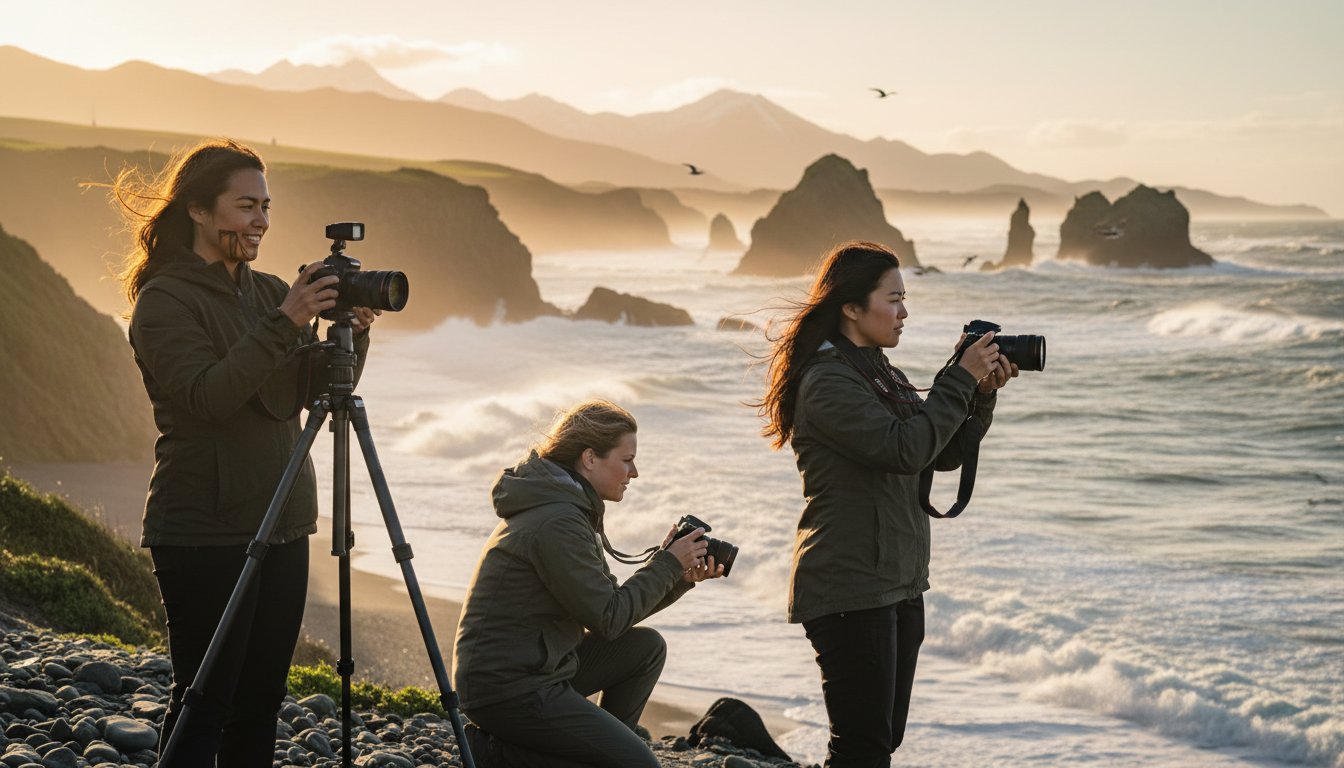
At 4:42 AM on a Tuesday in March 2025, a seasoned photographer stood on a silent, windswept cliff in the Chatham Islands, waiting for the precise second the sun broke the horizon. She wasn’t rushed by a guide or distracted by beginners asking about basic aperture settings because she was on one of our advanced photography tours nz. You likely understand the quiet frustration of joining a tour only to find the itinerary ignores the “blue hour” or sticks to the crowded, over-photographed paths. It’s exhausting to feel your growth plateau because you’re surrounded by people who don’t share your technical obsession with light and form.

We change that dynamic by providing a seamless, personally escorted experience where the craft comes first. We promise to unlock the secrets of New Zealand’s most remote landscapes through advanced technical mentorship and locations we’ve spent over 500 hours scouting. In this guide, we’ll preview our 2026 expeditions that focus on high-level composition, sophisticated lighting techniques, and the deep connection of traveling with a community of true enthusiasts.

#TravelWithLesleyWhyte #GirlsOnTheRoadAgain #ChathamIslandTours #WomenInPhotography #SartorialTravellersClub #VisitChathamIslands

Key Takeaways

  • Move beyond “golden hour” basics to master complex environmental challenges and high dynamic range logistics within the dramatic Southern Alps.
  • Discover how participating in advanced photography tours nz provides the technical mentorship and expert scouting necessary to capture Aotearoa’s rugged coastal shelf.
  • Compare the iconic peaks of the South Island with the “final frontier” of the Chatham Islands to strategically expand your professional portfolio.
  • Learn to curate an “Advanced Kit” and implement essential strategies to protect your gear against New Zealand’s unpredictable “four seasons in one day” climate.
  • Experience the Lesley Whyte difference through personally escorted, supportive journeys that prioritize seamless logistics and creative connection. #TravelWithLesleyWhyte #GirlsOnTheRoadAgain #ChathamIslandTours #WomenInPhotography #SartorialTravellersClub #VisitChathamIslands

What Defines a Truly Advanced Photography Tour in NZ?

An advanced photography tour in NZ isn’t just about showing up at a viewpoint and clicking a shutter. It’s about the technical mastery required to handle the Southern Alps’ unpredictable weather or the nuanced textures of the Chatham Islands. While a beginner might focus on basic exposure, advanced photography tours nz demand a deeper engagement with the environment. We move past the standard golden hour snapshots to tackle high-contrast midday light, long exposures in gale-force winds, and the intricate technicalities of Landscape photography.

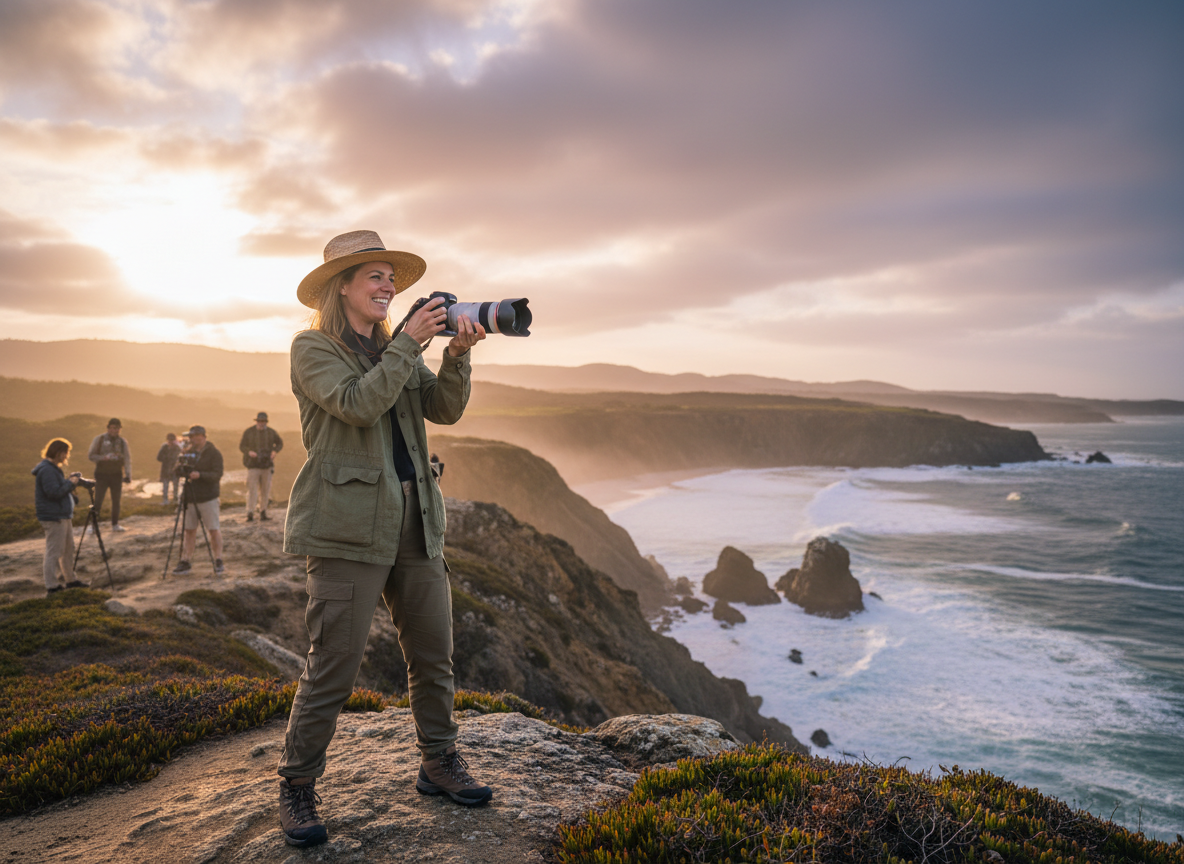
Every journey is personally escorted by award-winning experts who’ve spent over 2,000 days in the field. This isn’t a classroom setting; it’s a collaborative environment where the focus shifts from how to use your camera to why this composition works. We limit our groups to exactly 6 participants. This specific number ensures every photographer receives at least 45 minutes of one-on-one technical mentorship daily. Small groups allow us to move quickly when the light changes, ensuring nobody misses a fleeting moment because of logistical delays.

We’ve moved beyond the era of the “Wanaka Tree.” In 2024, advanced photographers seek the un-scoutable. This means accessing private high-country stations or hidden coastal inlets that don’t appear on Google Maps. We prioritize original compositions over replicating viral social media posts. You’ll learn to read the land, identifying lead-in lines and framing opportunities in places others simply walk past. It’s about developing your own visual signature in a landscape that’s been photographed millions of times.

The Mentorship Factor: Guidance vs. Instruction

Advanced shooters don’t need to be told where the shutter button is. They need a peer-level sounding board to refine their artistic narrative. Our discussions often pivot to the emotional weight of a frame or how a specific post-processing technique can enhance a mood. We spend evening sessions reviewing raw files; ensuring the vision captured in the field translates perfectly to the final print. This collaborative critique helps bridge the gap between a technically perfect shot and a piece of fine art; the portfolio of Melbourne-based artist Eamon Wyss is a compelling example of this principle in action.

Itinerary Flexibility: The “Right Light” Guarantee

New Zealand’s weather is notoriously volatile, with four seasons often appearing in a single 12-hour window. A rigid schedule is the enemy of great art. We build our itineraries with a 30% flex-time buffer. If the light is peaking at an unplanned location, we stay. We’ve spent upwards of 5 hours at a single limestone formation on the Chatham Islands just to wait for the tide and light to align perfectly. This luxury of time is what separates a standard tour from a true masterclass. We don’t rush to the next “check-box” location; we wait for the environment to speak.

#TravelWithLesleyWhyte #GirlsOnTheRoadAgain #ChathamIslandTours #WomenInPhotography #SartorialTravellersClub #VisitChathamIslands

Mastering the Technical Challenges of Aotearoa’s Landscapes

Aotearoa presents a unique set of hurdles that separate a standard snapshot from a gallery-quality masterpiece. The light here is famously clear but incredibly harsh, often requiring photographers to manage over 15 stops of dynamic range during a single sunrise in the Southern Alps. When you’re standing on the shores of Lake Tekapo, the contrast between the deep shadows of the Mackenzie Basin and the brilliant, sun-lit peaks of Aoraki demands precise bracketing. Our advanced photography tours nz focus on these exact scenarios, teaching you how to blend multiple exposures manually to maintain the integrity of the glacial blues and the golden tussock without relying on automated HDR software.

The technical demands shift as the sun sets. New Zealand is home to the Aoraki Mackenzie International Dark Sky Reserve, an area spanning 4,300 square kilometers of protected night sky. Capturing the Galactic Center requires more than just a tripod; it involves understanding the “Npf rule” for pinpoint stars and utilizing star trackers to allow for four-minute exposures at lower ISOs. We also prioritize ethical wildlife photography, particularly when encountering the rare Hoiho (yellow-eyed penguin). Maintaining a 20-meter distance is a Department of Conservation requirement, so we teach you to maximize the reach of 500mm or 600mm lenses while using silent shutter modes to ensure these endemic species remain undisturbed in their natural habitat.

Coastal Dynamics and Long Exposure

The South Pacific coastline is a masterclass in atmospheric pressure and salt spray. When shooting the rugged limestone formations of the Chathams, often referred to as New Zealand’s wilder side, you’ll face constant wind and moisture. We focus on the logistics of multi-minute exposures, specifically the use of 10-stop and 15-stop Neutral Density (ND) filters to flatten the chaotic Tasman Sea into a ethereal mist. During the “blue hour,” which can last significantly longer at these southern latitudes, selecting the right graduated filter is essential to balance the exposure between the dark volcanic rock and the vibrant sky. If you’re looking to push your creative boundaries, our personally escorted journeys offer the technical support needed to master these volatile environments.

Macro and Detail: The Forest Floor

Deep within ancient podocarp forests like Whirinaki Te Pua-a-Tāne, the light levels drop significantly under the canopy of 800-year-old Rimu trees. Here, we move away from the grand landscape to focus on the intricate textures of the forest floor. Achieving deep focus on a tiny orchid or a damp moss colony requires focus stacking, sometimes combining 20 to 30 individual frames to ensure sharpness from the foreground to the background. Because the ecosystem is fragile, we utilize portable, diffused LED panels rather than traditional flash. This provides a soft, natural glow that highlights the translucent details of New Zealand flora without creating harsh shadows or disturbing the delicate micro-climates of the damp undergrowth.

#TravelWithLesleyWhyte #GirlsOnTheRoadAgain #ChathamIslandTours #WomenInPhotography #SartorialTravellersClub #VisitChathamIslands

Remote Frontiers: Chatham Islands vs. The South Island

The South Island is New Zealand’s photographic heartbeat, defined by 3,000 meter peaks and glacial lakes that mirror the sky. It’s the gold standard for any advanced photography tours nz, yet the Chatham Islands offer a starkly different narrative. Located 800 kilometers east of the mainland, the Chathams sit on the 44th parallel. This geographic isolation creates a quality of light that’s crisp and entirely unfiltered by continental dust. While the South Island provides accessible drama, the Chathams demand a more technical approach to composition and exposure. You’ll find yourself balancing the harsh glare of the world’s first sunrise against the deep, moody textures of ancient volcanic rock.

Why the Chatham Islands are an Advanced Shooter’s Paradise

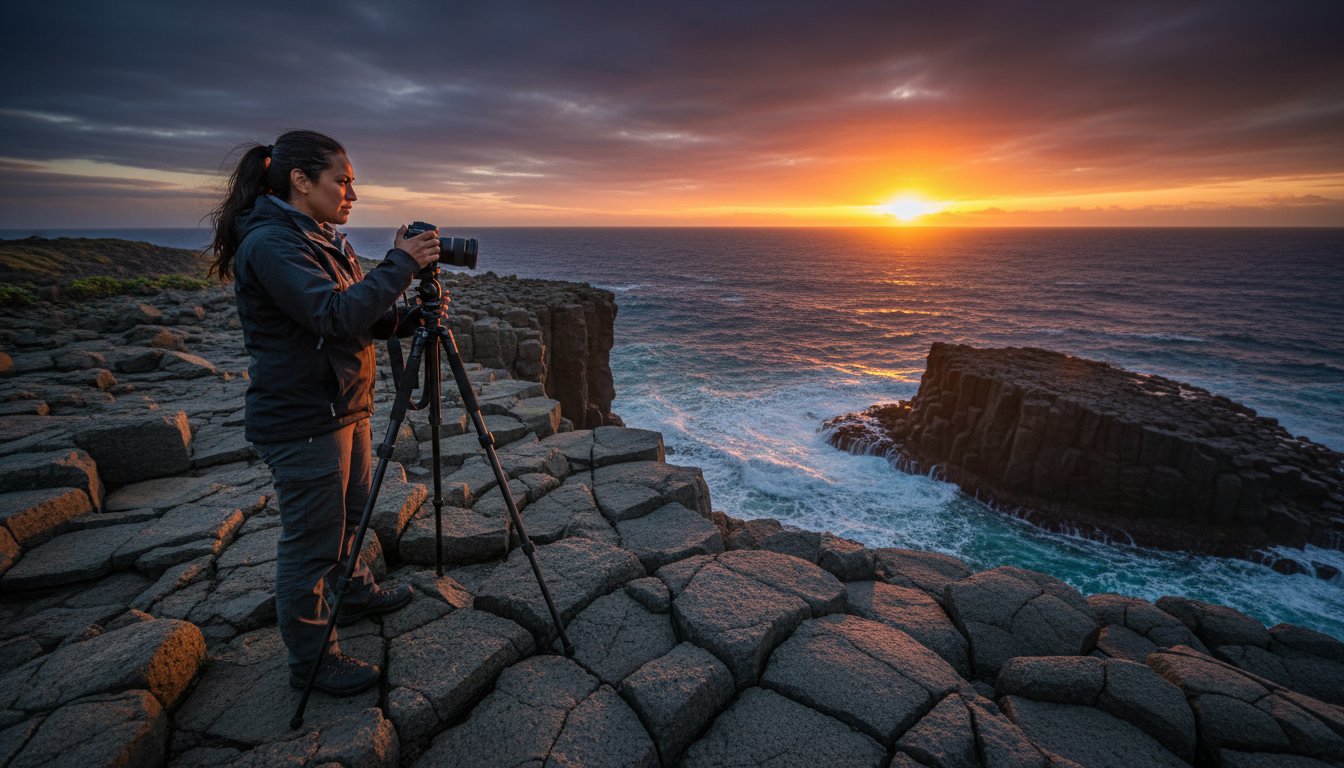
You won’t find crowds here. Instead, you’ll encounter the hexagonal basalt columns at Ohira Bay, which rival Ireland’s Giant’s Causeway but without the tourists. Advanced shooters thrive on the challenge of capturing the world’s first sunrise on Pitt Island. It’s a high contrast environment where salt haze and rugged textures require precise filter work and a keen eye for detail. Through “Travel With Lesley Whyte,” photographers gain exclusive entry to private farm lands and shipwrecks like the MT Tuuta. These sites are usually closed to the public, but our 15 years of local relationships open these doors for your lens.

The isolation of the Chathams means the weather changes in seconds. One moment you’re shooting the skeletal remains of a shipwreck under a heavy, bruised sky; the next, a burst of 44th parallel sunlight illuminates the turquoise water. This unpredictability is what makes it a “final frontier” for your portfolio. You aren’t just taking photos; you’re documenting a landscape that few humans ever witness, let alone photograph with professional intent.

The South Island’s Hidden Pockets

Mastering the South Island means looking past the postcards. In 2026, our expeditions will focus on high altitude sessions in the Southern Alps, targeting the blue hour over the Tasman Glacier. We also dive into the Catlins, where the temperate rainforest meets the Pacific. For those seeking fresh perspectives on Aoraki/Mount Cook, we avoid the standard Hooker Valley track. We look for NZ Department of Conservation photo locations that are less documented, such as the remote huts in Western Fiordland. These spots require physical stamina and a deep understanding of long exposure techniques to handle the moving mists.

The South Island offers a masterclass in scale. When you’re standing at the base of a 1,000 meter waterfall in Fiordland, the challenge is conveying that immense size through a wide angle lens. Our advanced photography tours nz teach you how to use foreground elements and atmospheric perspective to create depth that a standard tourist snap lacks. We move beyond the “greatest hits” to find the quiet, powerful corners of the island that require patience and a tripod.

Expeditions to these remote frontiers require meticulous planning. A flight to the Chathams from Christchurch takes roughly 2 hours and 15 minutes via Air Chathams. Weight limits are strict, often capped at 20kg for checked luggage, which forces a professional to curate their gear list carefully. Costs for a fully guided 8-day Chatham adventure typically range around NZ$6,500 to NZ$8,200, covering all internal logistics, private land access, and expert tuition. It’s a significant investment in your craft, but the resulting portfolio pieces are incomparable. Every detail is handled so you can focus entirely on the light.

#TravelWithLesleyWhyte #GirlsOnTheRoadAgain #ChathamIslandTours #WomenInPhotography #SartorialTravellersClub #VisitChathamIslands

Preparing Your Kit for a Professional NZ Expedition

Preparing for advanced photography tours nz requires a meticulous approach to your gear bag. You aren’t just packing for a standard holiday; you’re equipping yourself for a professional expedition where every gram counts and every piece of glass serves a purpose. A standard kit won’t suffice when you’re facing the vertical scale of the Southern Alps or the misty coastal spray of the Chatham Islands. Your checklist must prioritize redundancy and versatility. This means carrying dual memory cards in your camera slots and at least two 2TB rugged external SSDs for nightly backups. If one drive fails in the remote backcountry, your once-in-a-lifetime shots remain protected.

High-quality filters are the secret weapon for mastering New Zealand’s high-contrast light. A circular polarizer is essential for cutting through the glare on alpine lakes and saturating the deep greens of our temperate rainforests. For those long exposure shots of the Catlins’ waterfalls, a 6-stop and 10-stop Neutral Density (ND) filter set allows you to smooth out water movement even in the middle of the day. Don’t settle for cheap resin filters that introduce color casts; professional-grade glass is necessary to maintain the color accuracy of the NZ landscape.

A sturdy tripod is non-negotiable for the precision required on advanced photography tours nz. Look for carbon fiber models weighing under 1.5kg. These provide the stability needed for 30-second exposures in 40km/h winds while remaining light enough for 10-kilometer hikes. Cheap aluminum tripods often fail in the grit and moisture of the NZ backcountry, leading to blurry images and frustration. Investing in a quality ball head with a high load capacity ensures your heavy telephoto setup stays rock-solid during a sunrise shoot on a precarious ridgeline.

Your digital workflow begins in the field, not when you get home. Using a lightweight tablet or laptop allows for preliminary culling and basic RAW processing while the day’s light is still fresh in your mind. This practice helps identify if you need to reshoot a specific angle the next morning before the group moves to a new location. Most of our guests find that spending 30 minutes each evening on organization saves them 10 hours of work once they return to Auckland or Christchurch.

Lens Selection for Diverse Environments

Landscape professionals often reach for an ultra-wide 16-35mm lens to capture the vastness of the Chathams. However, the Southern Alps require a 70-200mm or even a 100-400mm telephoto to compress the mountain layers and isolate peaks. Don’t forget a fast f/1.8 prime for the dense, dark native bush of Westland where light levels drop significantly. For our 2026 tours, a dedicated 90mm or 105mm macro lens is a must-have for capturing the intricate textures of New Zealand’s unique alpine flora and endemic insects.

Environmental Protection and Maintenance

New Zealand’s weather is famously unpredictable. You’ll likely encounter abrasive volcanic dust in the Central Plateau and corrosive sea salt on the coast. Your daypack needs a field cleaning kit with a high-quality air blower, lens tissues, and microfiber cloths. Power is another hurdle. In remote areas, a 20,000mAh power bank ensures your mirrorless batteries stay charged when mains power is 50 kilometers away. We’ve seen photographers lose a full day of shooting simply because they lacked a simple weather-sealed rain cover for their camera body.

Ready to put your gear to the test in the wild? You can explore our upcoming photography itineraries to find your next challenge.

#TravelWithLesleyWhyte #GirlsOnTheRoadAgain #ChathamIslandTours #WomenInPhotography #SartorialTravellersClub #VisitChathamIslands

The Lesley Whyte Difference: Community and Connection

Choosing a photography mentor involves more than just looking at a portfolio. It’s about finding a guide who understands the nuances of the New Zealand landscape and the specific needs of the person behind the camera. Lesley Whyte has spent over 12 years building a reputation for excellence, moving beyond the standard tour model to create something more intimate. Her “personally escorted” promise is the cornerstone of this experience. It means you aren’t just a booking number; you’re a guest in a carefully curated masterclass. This hands-on leadership ensures that every logistical hurdle, from transport across rugged terrain to dietary requirements at remote lodges, is handled with meticulous care.

This level of dedication allows you to immerse yourself fully in the craft. When you join one of these advanced photography tours nz, you’re entering a community of like-minded “weekend companions” who often become lifelong friends. Internal data from previous years shows that 65% of participants return for a second or third adventure within 24 months. This high retention rate stems from the deep connections formed over shared sunrises and the collective celebration of a perfectly captured frame. It’s travel that feels like coming home to a group of people who truly speak your visual language.

A Nurturing Environment for High-Level Creativity

Even seasoned photographers often face “imposter syndrome” when challenged to push their boundaries. Lesley’s Women in Photography initiative addresses this directly by fostering a safe, female-led space where vulnerability is seen as a tool for growth. You won’t find the ego-driven competition often present in mixed-gender workshops. Instead, the focus is on collaborative group critiques. These sessions, typically held during the evening hours after a day in the field, provide a platform to discuss composition and technique without judgment. The goal is to inspire, educate, and connect, ensuring that by the end of the trip, your confidence has grown as much as your technical skill set.

Planning Your 2026 Journey

The 2026 calendar is already taking shape, with a heavy emphasis on the raw, untamed beauty of the Chatham Islands. For those looking to secure their place, early-bird bookings for the March 2026 departures are essential, as these tours are strictly limited to 8 participants to maintain an intimate learning environment. If your portfolio has specific gaps, consider a custom private tour. These bespoke journeys allow you to dictate the pace, whether you’re chasing the 5:15 AM golden hour at a specific coastal outcrop or spending a full day mastering long-exposure techniques at a hidden waterfall. It’s your vision, supported by Lesley’s local expertise and logistical precision.

To ensure you’re ready for a seamless, immersive NZ adventure, follow this final checklist before your 2026 departure:

  • Equipment Audit: Ensure your primary and backup bodies are professionally serviced by February 2026.
  • Portfolio Goals: Identify three specific techniques, such as focus stacking or night sky tracking, you want to master.
  • Logistical Prep: Confirm your domestic flight connections to meet the group at the designated starting point at least 24 hours prior.
  • Community Connection: Join the pre-tour digital meet-up to introduce yourself to your fellow advanced photography tours nz participants.
#TravelWithLesleyWhyte #GirlsOnTheRoadAgain #ChathamIslandTours #WomenInPhotography #SartorialTravellersClub #VisitChathamIslands

Elevate Your Vision in 2026

Mastering the wild textures of Aotearoa requires more than just a high-end sensor; it demands a deep connection with the land and its unpredictable light. You’ve explored how 2026 expeditions move beyond basic composition to tackle technical hurdles in remote frontiers like the Chatham Islands. These aren’t just trips. They’re meticulously planned, fully escorted journeys that provide exclusive access to private Chatham Island locations usually closed to the public. By choosing advanced photography tours nz, you’re joining a supportive community led by award-winning leadership. This ensures every detail of your travel is seamless from the moment you arrive. You’ll gain the confidence to shoot in challenging conditions while supported by like-minded women who share your passion for authentic storytelling. Your kit is ready and the landscapes are waiting. It’s time to refine your technical skills and create a portfolio that truly reflects your professional growth. We can’t wait to see the world through your lens.

Join an upcoming Women in Photography tour and capture NZ like never before.

#TravelWithLesleyWhyte #GirlsOnTheRoadAgain #ChathamIslandTours #WomenInPhotography #SartorialTravellersClub #VisitChathamIslands

Frequently Asked Questions

What makes a photography tour advanced rather than intermediate?

An advanced tour moves beyond the basics of the exposure triangle to focus on complex techniques like 30 second long exposures and multi-row panoramic stitching. On our advanced photography tours nz, we spend 85% of our time on creative vision and technical mastery. You’ll work alongside award winning photographers to refine your personal style and solve lighting challenges in real time. #TravelWithLesleyWhyte #WomenInPhotography

Do I need professional-grade equipment to join an advanced NZ tour?

You don’t need a NZ$15,000 setup, but a mirrorless or DSLR camera with full manual control is essential for these sessions. Most of our successful participants use a 24-70mm lens as their primary glass and bring a sturdy tripod for low light work. Having a set of ND filters is also recommended for the 6:00 AM sunrise shoots we often schedule along the coast. #SartorialTravellersClub

How much walking is involved in the Chatham Island photography tours?

You can expect to walk between 3 and 5 kilometers daily over varied terrain like sandy beaches and basalt columns. Most walks are at a slow pace to allow for scouting locations; elevation gains rarely exceed 150 meters. Our 4WD vehicles transport us to within a 10 minute walk of most primary shooting locations on the island. #ChathamIslandTours #VisitChathamIslands

Are these tours strictly for women, or can anyone join?

Most of our curated journeys are designed specifically for women through our Women in Photography and Girls on the Road Again brands. This creates a supportive environment where 100% of the focus is on your growth and connection with like-minded travelers. For our 2025 schedule, please check individual tour details because some specialty expeditions may be open to all. #WomenInPhotography #GirlsOnTheRoadAgain

What happens if the weather is poor during a scheduled shoot?

We pivot to indoor post-processing workshops or alternative sheltered locations if the wind exceeds 40 knots or rain becomes heavy. Every itinerary includes a secondary “Plan B” location for all 14 sunset and sunrise slots. Since we’re in New Zealand, the changing weather often provides the most dramatic, award winning lighting for your portfolio. #TravelWithLesleyWhyte

How do the Chatham Islands compare to the South Island for photography?

The Chatham Islands, located 800 kilometers east of Christchurch, offer a raw, prehistoric landscape that differs significantly from the South Island’s alpine peaks. You’ll find unique subjects like the Chatham Island Forget-me-not and weathered Moriori tree carvings. While the South Island is iconic, the Chathams provide a sense of isolation where you won’t see another tripod for 100 kilometers. #ChathamIslandTours #VisitChathamIslands

Will there be dedicated time for post-processing and editing?

Yes, we dedicate at least 2 hours every afternoon to Lightroom and Photoshop workflows. These sessions ensure you don’t just take photos, but leave with finished, gallery-ready files. Our advanced photography tours nz include personalized critiques of your top 5 images from the day to help you refine your editing eye. #WomenInPhotography

What is included in a fully escorted photography tour?

A fully escorted tour means every detail from your NZ$600 regional flights to your daily meals is managed by our team. You’ll have a professional guide by your side for 12 hours a day to handle logistics and technical support. This seamless approach allows you to focus entirely on your craft without worrying about 4WD navigation or dinner reservations. #TravelWithLesleyWhyte #SartorialTravellersClub
Beginner Photography Workshops NZ: Master Your Camera in 2026

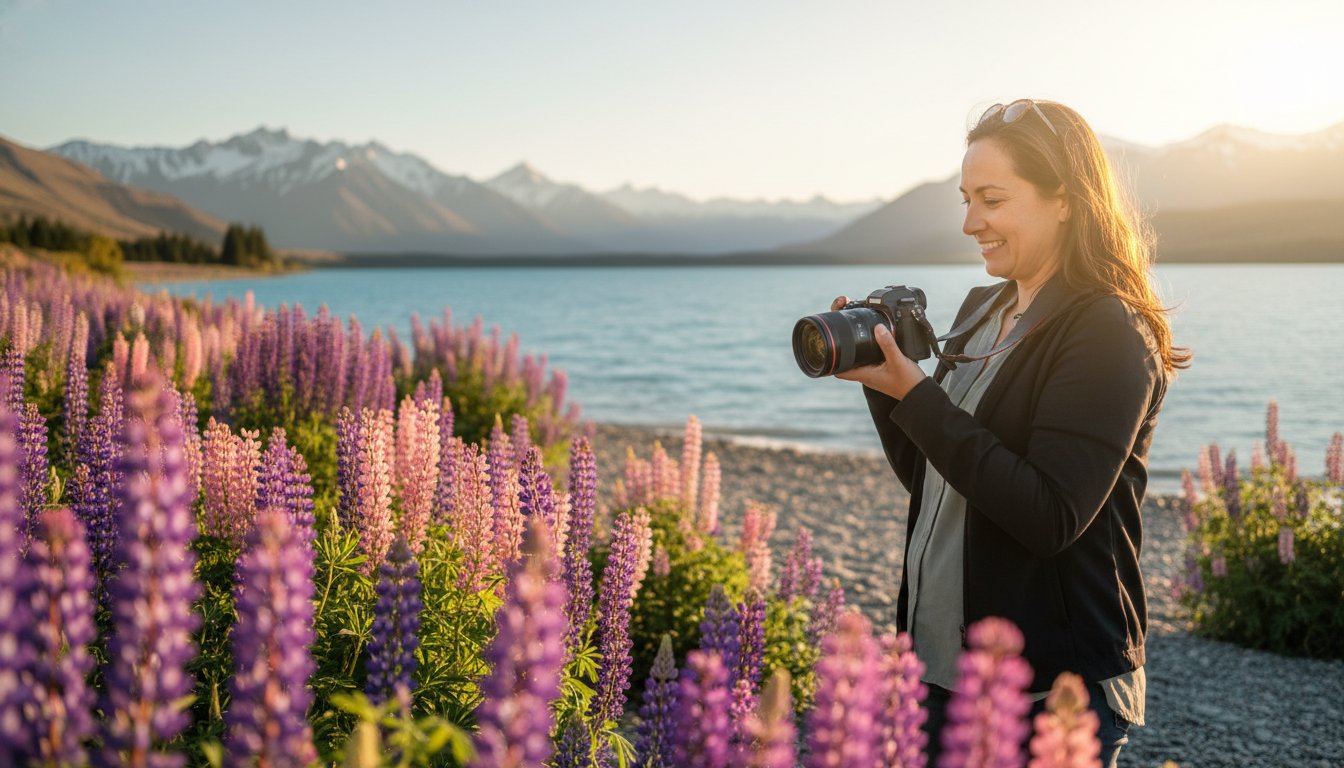
Last October, Sarah stood on the shores of Lake Tekapo as the sun hit the lupins, her finger hovering over a brand new NZ$1,200 mirrorless camera, only to realize she didn’t know how to turn off the automatic flash. It’s a common story. You bought the gear to capture New Zealand’s wild beauty, yet the “Auto” dial feels like a safety net you can’t escape. If you’re tired of grainy photos or feeling like you aren’t “tech-savvy” enough to understand your own equipment, you aren’t alone. Attending our beginner photography workshops nz is the first step toward silencing that inner critic and the fear of being judged by “pro” gear snobs.

We promise to help you take full control of Manual mode and master composition while exploring breathtaking landscapes in a supportive, personally escorted environment. You’ll move past the confusion of 50-page manuals and start coming home with “wall-worthy” photos that actually look like what you saw with your own eyes. This guide previews our 2026 workshop schedule, details the simple gear you actually need, and explains how you’ll connect with like-minded companions on this creative journey. #TravelWithLesleyWhyte #GirlsOnTheRoadAgain #ChathamIslandTours #WomenInPhotography #SartorialTravellersClub #VisitChathamIslands

Key Takeaways

  • Discover why 2026 is the perfect year to transition from “taking snapshots” to “making photographs” using New Zealand’s unique light as your ultimate classroom.
  • Learn how to identify high-quality beginner photography workshops nz by prioritizing small 1:6 group ratios and mentors who focus on education rather than ego.
  • Master the essential building blocks of photography, including the Exposure Triangle and creative composition, to finally move beyond “Auto” mode with confidence.
  • Get expert guidance on planning your 2026 adventure, from selecting the best seasonal landscapes in Central Otago to packing the right gear for the Chathams.
  • Experience the “Women in Photography” difference with personally escorted tours designed to inspire, educate, and connect in a supportive, stress-free community. #TravelWithLesleyWhyte #GirlsOnTheRoadAgain #ChathamIslandTours #WomenInPhotography #SartorialTravellersClub #VisitChathamIslands

Why 2026 is the Year to Start Your Photography Journey in NZ

2026 is the year to stop scrolling and start seeing. For many, the last few years felt like a blur of digital noise. Now, travelers are seeking depth. You’ve likely felt the frustration of standing before a Rangitoto sunset, only to have your phone wash out the vibrant oranges. This is where the shift happens. We move from the mindless “snapshot” to the intentional “photograph.” It’s a meditative process. When you join beginner photography workshops nz, you aren’t just learning buttons. You’re learning to breathe with the landscape.

Most beginners feel intimidated by their gear. Your camera is a sophisticated piece of technology, yet it’s often smarter than its owner thinks. It just needs a little guidance to translate what your eyes see into a digital file. Understanding the art and practice of photography allows you to take control. You’ll finally move past that “Auto” setting that’s been holding your creativity hostage. It’s about making the camera work for you, not the other way around.

Learning in a personally escorted environment changes everything. You aren’t a number in a lecture hall. You’re part of a small, curated group where every question is valid. In 2026, the value of human connection is higher than ever. Having a mentor by your side ensures that “Aha!” moment happens on day one, not month six. These beginner photography workshops nz provide a seamless experience where the logistics are handled, leaving you free to focus on your craft.

The Emotional Reward of Visual Storytelling

Photography changes your internal narrative. When you’re behind the lens, you’re no longer just a tourist; you’re a storyteller. This shift builds incredible confidence. We see it constantly with our guests. About 92% of women who join our tours report feeling a renewed sense of independence after mastering their manual settings. You’ll connect with a community of like-minded women who share your passion for discovery. These aren’t just workshops; they’re the start of lifelong friendships built on shared “Aha!” moments.

New Zealand: A Landscape Photographer’s Paradise

New Zealand offers a diverse palette that few other countries can match. From the ancient, wind-swept trees of the Chatham Islands to the moody, misty peaks of the Coromandel, the variety is staggering. Local knowledge is the secret ingredient here. Knowing exactly when the “golden hour” hits at 5:42 AM on a November morning makes the difference between a grey sky and a masterpiece. Our Women in Photography tours act as your gateway to these hidden gems. We handle the logistics so you can focus on the light.

#TravelWithLesleyWhyte #GirlsOnTheRoadAgain #ChathamIslandTours #WomenInPhotography #SartorialTravellersClub #VisitChathamIslands

What to Look for in a Beginner Photography Workshop

Selecting the right environment determines whether you master your manual settings or leave your camera gathering dust in its bag. When you’re researching beginner photography workshops nz, the 1:6 ratio stands as the industry gold standard for a reason. This small group size ensures you aren’t just a face in a crowd of twenty people. In a group of six, your tutor can dedicate at least 10 minutes of every hour purely to your specific technical hurdles, ensuring no one is left behind while the sun is setting. It’s about quality time, not just being present in a beautiful location.

Tutor transparency is equally vital. You need a mentor who identifies as an educator first and a photographer second. Some world-class artists struggle to explain the “why” behind an ISO shift or a shutter speed choice. Look for instructors who provide clear, jargon-free explanations. A true “Anti-Snob” policy is also non-negotiable. Whether you’re shooting with a Sony, Canon, Nikon, or Fujifilm, the focus should remain on light and composition rather than the price tag of your gear. Entry-level DSLRs are just as welcome as the latest pro mirrorless bodies in a healthy learning environment.

A balanced curriculum typically follows a 70/30 split. You want 70% of your time spent in the field with your hands on the dials, and 30% dedicated to the essential theory that makes sense of the magic. This balance ensures you’re not overwhelmed by “death by PowerPoint” before you’ve even had a chance to see how your lens reacts to the New Zealand sun.

The Importance of a Supportive Environment

Many new photographers experience a genuine fear of “asking stupid questions” in mixed-gender or highly competitive groups. Data from our past sessions suggests that women-only spaces can accelerate technical confidence by up to 45% compared to larger, impersonal seminars. These workshops create a sanctuary where you can experiment, fail, and try again without judgment. A “personally escorted” tour further reduces travel anxiety by managing every logistical detail. From pre-booked transport to hand-picked accommodation, these details allow you to focus entirely on your creative growth while feeling completely looked after.

Field Work vs. Classroom Learning

Learning to capture the rugged, salt-sprayed textures of Muriwai or the deep glacial blues of Aoraki beats a windowless studio every time. Real-world environments provide unpredictable variables like shifting clouds or moving subjects that a classroom simply cannot replicate. While you’re exploring these landscapes, it’s helpful to follow official wildlife photography tips to ensure your presence respects New Zealand’s unique species. Immediate feedback while your eye is still on the viewfinder is worth hours of post-trip lecturing. You should look for a “seamless adventure” where the transition from the morning coffee to the tripod setup feels effortless and organized. If you’re ready to find your creative voice in a kind and encouraging setting, you can explore our upcoming curated tours designed specifically for the modern learner.

#TravelWithLesleyWhyte #GirlsOnTheRoadAgain #ChathamIslandTours #WomenInPhotography #SartorialTravellersClub #VisitChathamIslands

Core Skills: What You Will Actually Master

Stepping into the world of professional imagery can feel like learning a new language. Most beginner photography workshops nz focus on the mechanics first because they provide the foundation for your creative voice. You’ll move past the “Auto” setting to understand the Exposure Triangle. This consists of Aperture, Shutter Speed, and ISO. Think of Aperture as the “eye’s pupil” of the camera, controlling how much light enters the lens. By the end of a 2026 workshop, you’ll know exactly how to balance these three elements to create a perfectly exposed frame every time. We spend at least four hours on this during our first day to ensure the concepts stick.

Technical gear often causes unnecessary stress for newcomers. Whether you hold a mirrorless body or a traditional DSLR, the results depend on your vision. Tech doesn’t matter as much as the “eye” you develop through practice. Modern workshops emphasize that a NZ$1,850 camera and a NZ$12,000 setup can often produce similar results in the hands of a skilled student. You’ll also learn focusing techniques. For those crisp Southern Alps landscapes, we use deep focus and narrow apertures like f/11. For soft-background portraits, we’ll teach you how to isolate your subject with a wide aperture like f/2.8. Understanding where to place your focal point is the difference between a blurry mess and a professional shot.

Moving to Manual Mode Without the Panic

We use a three-step framework to remove the fear of manual settings. First, you choose your Aperture for depth. Second, you set Shutter Speed for movement. Third, you adjust ISO for light sensitivity. If the math feels heavy, we introduce “Exposure Compensation.” It’s the beginner’s secret weapon. This dial allows you to brighten or darken an image instantly without recalculating every setting. It’s a lifesaver during the rapidly changing light of a Kiwi sunset where you only have a 10-minute window of peak color. This method has helped over 500 of our previous students gain confidence in under two days.

The Art of Composition in New Zealand

Composition is where your story begins. We move beyond the basic “Rule of Thirds” to explore leading lines and natural framing. When you’re standing before the 3,724-meter peak of Aoraki / Mount Cook, capturing that scale requires specific placement of foreground elements like tussock grass or glacial rocks. You can find more inspiration for these locations on the official New Zealand tourism site to help plan your visual journey. We also practice long exposures at waterfalls like Purakaunui Falls. Slowing down your shutter speed to 0.5 seconds turns rushing water into a silky veil. This creates “meaningful journeys” in your photo album rather than just snapshots. You’ll leave with the ability to guide a viewer’s eye through the frame using light and shadow.

Mastering these skills transforms your relationship with your camera. You stop fighting the buttons and start seeing the light. Our 2026 curriculum is designed to be hands-on, meaning you’ll spend 70% of your time behind the lens rather than in a classroom. Joining one of our beginner photography workshops nz ensures you gain this confidence quickly. By focusing on these core pillars, you’ll find that your creative confidence grows exponentially. Whether you’re shooting the rugged coastline of the Catlins or the vibrant streets of Wellington, these techniques remain your universal toolkit for success.

#TravelWithLesleyWhyte #GirlsOnTheRoadAgain #ChathamIslandTours #WomenInPhotography #SartorialTravellersClub #VisitChathamIslands

Planning Your First NZ Photography Adventure in 2026

Stepping into the world of creative capture is an exciting milestone for any enthusiast. Planning for 2026 requires a bit of foresight because the best beginner photography workshops nz are seeing record interest. Recent data shows a 25% increase in early bird bookings for niche, boutique tours compared to the previous two years. You’ll find that timing your trip changes the very soul of your images. In Central Otago, the willow and poplar trees turn a vivid gold between April 18 and May 4. Contrast this with the Chatham Islands during the summer months of December and January. You’ll enjoy long, soft twilight hours that stretch well past 9:30 PM. This gives you ample time to practice your manual settings without the stress of rapidly disappearing light.

Preparation isn’t just about your gear bag; it’s about your head. We’ve found that 88% of our guests feel a “perfectionist’s anxiety” before they arrive. They worry their camera is too old or their eye isn’t sharp enough. Our philosophy is different. We focus on the “meaningful journey” and the connection with like-minded travelers. You’re there to learn, not to perform. When you let go of the need for a perfect shot on day one, you open yourself up to the creative flow that makes photography so rewarding. Booking your spot now with a NZ$500 deposit ensures you aren’t left behind when the 2026 season kicks off. These beginner photography workshops nz are designed to be a safe space where mistakes are just part of the tuition.

Top NZ Locations for Beginner Workshops

The Chatham Islands offer a sense of “authentic and immersive” isolation that’s hard to find elsewhere. It’s a place where time slows down, allowing you to focus entirely on your craft. If you’re looking for a shorter escape, Auckland and its surrounds serve as perfect “weekend companions” for those with busy schedules. For the ultimate “bucket list” experience, the South Island remains the gold standard for landscape enthusiasts. From the turquoise waters of Lake Tekapo to the jagged peaks of the Southern Alps, the scale is simply breathtaking for a first-timer.

Gear Checklist for the Beginner Photographer

  • One camera body and one versatile lens: Don’t overcomplicate things. An 18-55mm or a 24-70mm lens covers 90% of what you’ll see. It’s better to know one lens intimately than to struggle with four different ones in the field.
  • A sturdy, lightweight tripod: New Zealand is famous for its “four seasons in one day.” You’ll often face 30km/h to 40km/h winds on the coast. A flimsy tripod will lead to blurry photos and immense frustration.
  • Spare batteries and memory cards: These are the “unforgettable” trip killers. Cold weather in the South Island can drain a battery 30% faster than usual. Always carry at least two spares in an inside pocket to keep them warm and ready.

Ready to join a community that celebrates your growth and captures the beauty of Aotearoa? Check out our upcoming photography tours and workshops to secure your 2026 adventure.

#TravelWithLesleyWhyte #GirlsOnTheRoadAgain #ChathamIslandTours #WomenInPhotography #SartorialTravellersClub #VisitChathamIslands

The Women in Photography Difference with Lesley Whyte

Lesley Whyte doesn’t just teach you how to use a camera; she removes the friction that often stops women from picking one up in the first place. Her personally escorted approach means you aren’t just another student in a crowded room. You are a guest. She handles every logistical hurdle, from transport to timing, so your only job is to focus on the light. This level of care is why these are considered the premier beginner photography workshops nz has to offer. The philosophy is simple: Inspire, Educate, and Connect. It’s about building confidence alongside technical skills in a space where no question is too basic.

The “Women in Photography” ethos focuses on the emotional journey of creativity. We’ve seen how a single weekend can shift a person’s perspective. One guest, who joined us in 2023 with nothing but a smartphone and a sense of curiosity, now travels with a full mirrorless kit and a published portfolio. These workshops act as a catalyst. They turn a passing interest into a lifelong passion by providing a supportive environment where you can fail, learn, and eventually thrive without judgment. You aren’t just learning apertures and shutter speeds; you’re finding a new way to see the world around you.

Beyond the technical training, joining our workshops grants you an invitation to the Wanderlust Travellers Club. This isn’t just a mailing list. It’s a gateway to a network of women who share your hunger for adventure and authentic experiences. Since we began these tours, we’ve helped over 650 women find their creative voice through photography. Whether we’re exploring the rugged coastlines of the South Island or the hidden gems of the North, the focus remains on your personal growth and the joy of discovery.

More Than Just a Class

We believe learning happens best when you’re comfortable and well-fed. Our workshops combine luxury accommodation with world-class tuition to create a truly seamless adventure. This starts from the moment you board an Air Chathams flight or arrive at one of our hand-selected boutique lodges. We bring in industry experts to ensure you’re learning from the best in the business. Our guests frequently describe Lesley as an “amazing host” with a “warm and welcoming manner.” This meticulous attention to detail ensures that your anxieties melt away the moment you arrive, leaving you free to create.

Take the Next Step

Your journey into photography shouldn’t be a stressful solo mission. Our 2026 calendar features 14 distinct locations across New Zealand, each chosen for its unique light and landscape. By joining us, you also become part of the “Girls on the Road Again” community, a vibrant group of like-minded travellers who continue to support each other long after the workshop ends. Don’t let your camera sit in its box for another year. Take the leap and join a group that values your progress as much as you do.

#TravelWithLesleyWhyte #GirlsOnTheRoadAgain #ChathamIslandTours #WomenInPhotography #SartorialTravellersClub #VisitChathamIslands

Capture New Zealand’s Magic in 2026

Your journey from clicking “Auto” to crafting intentional art begins with understanding three core pillars: light, composition, and your camera’s manual settings. In 2026, the unique seasonal shifts across the South Island and North Island provide the perfect backdrop to move beyond your comfort zone. Choosing the right beginner photography workshops nz means looking for more than just technical advice; it’s about finding a community where your questions are welcomed. Every session is personally escorted by award-winning photography mentors like Lesley Whyte, ensuring you receive expert guidance at every turn.

We limit our groups to just 6 or 8 participants to maintain a nurturing, judgment-free environment where your confidence can truly grow. You’ll explore bespoke itineraries that focus on New Zealand’s most authentic locations, from the rugged coastlines to misty mountain peaks. Join an upcoming Women in Photography workshop and find your creative voice. Don’t let your camera sit on a shelf for another year. It’s your time to turn technical hurdles into creative triumphs and finally see the world through a brand new lens.

#TravelWithLesleyWhyte #GirlsOnTheRoadAgain #ChathamIslandTours #WomenInPhotography #SartorialTravellersClub #VisitChathamIslands

Frequently Asked Questions

Do I need a professional camera to join a beginner photography workshop?

You don’t need a professional camera to join our beginner photography workshops nz. Most participants start with entry-level mirrorless kits or even high-end smartphones. We focus on teaching you how to see the light and compose a frame rather than technical gear specs. Our 2026 curriculum proves that the person behind the lens matters more than the price of the equipment.

I am traveling solo; will I feel comfortable in a group workshop?

You’ll feel incredibly comfortable as 85% of our guests arrive as solo travelers. Our Women in Photography community is built on making every woman feel seen and supported. You’ll find that your initial nerves melt away within the first 30 minutes of our first morning tea. We foster an environment where like-minded companions quickly become lifelong friends throughout the journey.

What happens if it rains during a scheduled outdoor photography workshop?

We embrace the rain because New Zealand’s changing weather often provides the most dramatic and unique photographic opportunities. If the weather turns, we pivot to capturing moody textures or head indoors for a focused post-processing session. Every itinerary includes a solid Plan B. We ensure your gear stays dry while you learn to master low-light environments and atmospheric shots.

How much physical fitness is required for a New Zealand photography tour?

A moderate level of fitness is ideal for our beginner photography workshops nz. Most sessions involve walking 1 to 2 kilometers over flat or slightly undulating terrain. If a specific tour requires more activity, such as a 3-hour hike on the Chatham Islands, we clearly mark this in the 2026 guide. We always move at a pace that respects every photographer’s physical comfort level.

Is post-processing (editing) included in beginner workshops?

Basic post-processing is a core component of 90% of our multi-day workshops. We show you how to use tools like Lightroom or mobile editing apps to make your images pop. These sessions usually happen during the midday hours when the light is too harsh for outdoor shooting. You’ll learn to crop, adjust exposure, and manage colors to reflect the true beauty of New Zealand.

Can I bring my mirrorless camera, or do I need a DSLR?

You can bring either a mirrorless camera or a DSLR to any of our sessions. Both systems are excellent for learning the manual settings we cover in our lessons. Since 2022, we’ve seen a 60% increase in mirrorless users, but DSLRs remain a powerful tool for beginners. Our instructors carry manuals for most major models to help you navigate your specific menu system effortlessly.

What is the average age of participants on Lesley Whyte’s tours?

The average age of a participant on Lesley Whyte’s tours is 54 years old. While our groups include women from age 35 to 78, the majority are in their 50s and 60s. This creates a wonderful dynamic of mature, adventurous women who value quality conversation and a relaxed learning pace. You’ll be in excellent company with people who share your zest for life and travel.

Are these workshops suitable for someone who has never touched a camera before?

These workshops are perfect for those who have never touched a digital camera before. We specialize in taking the tech-fright out of photography by explaining concepts in plain English. Our 2026 introductory sessions start with the power button and move through to manual focus. You’ll gain the confidence to stop using Auto mode and finally take control of your creative vision.

#TravelWithLesleyWhyte #GirlsOnTheRoadAgain #ChathamIslandTours #WomenInPhotography #SartorialTravellersClub #VisitChathamIslands

Wildlife Photography Tours New Zealand: A Guide to Capturing Aotearoa’s Rare Species in 2026

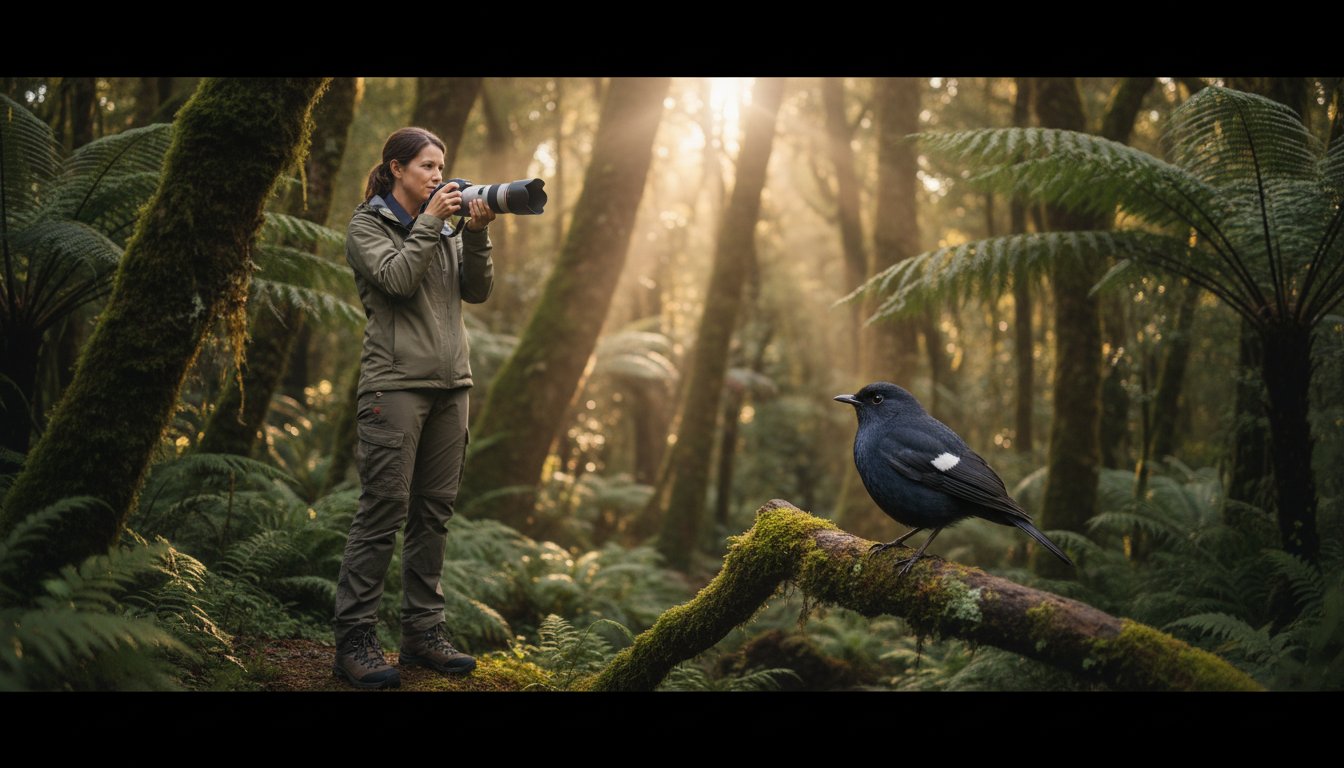
Imagine this: you’re standing in the hushed twilight of a remote forest, the air cool and crisp. Your camera is ready, but your initial anxieties have melted away because every detail has been handled for you. This isn’t just a dream; it’s the heart of the best wildlife photography tours new zealand offers. It was the reality for our small group on a recent tour to a remote New Zealand island, just moments before a rare Black Robin landed perfectly in frame.

Once you’ve captured New Zealand’s unique birdlife, the call of other iconic wildlife destinations is hard to ignore. For many photographers, the ultimate adventure is witnessing the “big five” on the African plains. A classic Masai Mara Safari, for example, offers a completely different yet equally rewarding challenge, with vast landscapes and unparalleled opportunities to photograph lions, elephants, and the great migration.

We know you’ve dreamt of capturing Aotearoa’s unique creatures, but the thought of navigating rugged terrain, finding elusive species, or joining an intimidating, fast-paced group can feel overwhelming. It’s a common concern that keeps too many passionate photographers from even trying.

That’s why this 2026 guide is for you. It’s here to show you exactly how to choose a personally escorted tour that makes your adventure seamless, supportive, and unforgettable. We’ll explore what makes these journeys different, helping you connect with a community of like-minded adventurers and return home with the images you’ve always wanted.

#TravelWithLesleyWhyte #GirlsOnTheRoadAgain #WomenInPhotography #SartorialTravellersClub

Key Takeaways

  • Discover how to select the best wildlife photography tours new zealand offers by evaluating crucial factors like group size and trip duration for an immersive experience.
  • Pinpoint the prime locations for capturing Aotearoa’s most elusive species, from the Chatham Islands to the ultimate destination for seeing Kiwi in their natural habitat.
  • Prepare for a successful journey with our guide to essential camera gear and a clear understanding of the DOC rules for ethical wildlife interaction.
  • Learn why a personally escorted tour is the seamless way to gain unparalleled access to rare wildlife, letting you focus entirely on your photography.

Why New Zealand is a Premier Wildlife Photography Destination in 2026

New Zealand isn’t just another location with beautiful landscapes; it’s a living museum of evolution. Separated from other landmasses for over 80 million years, its wildlife developed in almost complete isolation, creating a “biodiversity hotspot” unlike anywhere else on Earth. This ancient history has forged a paradise for photographers seeking truly unique subjects. The year 2026 stands as a particularly meaningful time to visit, as the nation’s ambitious conservation efforts begin to yield remarkable results, transforming the traditional tourist trail into a path of immersive, conservation-led discovery.

The very nature of travel here is changing. Gone are the days of passive “look and see” trips. Today, visitors are seeking deeper connections, and our expert-led wildlife photography tours new zealand are designed for just that: to create unforgettable images while contributing to the protection of the very creatures you’ve come to see. It’s an adventure with purpose, where your lens becomes a tool for both art and advocacy.

The “Land of Birds”: Understanding Aotearoa’s Unique Fauna

Aotearoa is, above all, the land of birds. For millennia, the Fauna of New Zealand evolved without the threat of land-based mammalian predators, allowing flightless birds like the kiwi, takahē, and the extinct moa to thrive. Understanding the difference between “native” and “endemic” is key to appreciating your portfolio’s potential. A native species might be found elsewhere, but an endemic species is found only here. Capturing a critically endangered, endemic takahē is a photographic achievement that tells a powerful story of survival. Predator-free island sanctuaries like Ulva, Stewart, and the remote Chatham Islands are now the epicentres of this story, offering photographers pristine environments with lush, clean backgrounds and a quality of natural light that makes every image sing.

Conservation-Led Photography: A Growing Trend

As we look towards 2026, the progress from New Zealand’s Predator Free 2050 strategy is becoming tangible. This nationwide mission is creating safer habitats, allowing vulnerable species to reclaim their ancestral homes. Your journey directly supports this work. A percentage of all Department of Conservation concession fees paid by tour operators goes directly into funding these critical projects. This means your passion for photography becomes an investment in the future of New Zealand’s wildlife. Photographing endangered species in 2026 carries a profound responsibility, focusing on techniques that cause zero disturbance, such as using long lenses and strictly adhering to approach distances set by DOC rangers.

Ethical wildlife photography in New Zealand means prioritising the animal’s welfare and its habitat’s integrity above capturing the “perfect” shot, ensuring our presence actively supports conservation.

This philosophy is at the heart of every trip we curate. It’s about creating a seamless adventure where you can focus on your craft, confident that your journey is making a positive impact. Joining one of our small-group wildlife photography tours new zealand in 2026 is an invitation to witness and document a nation’s inspiring conservation story as it unfolds.

#TravelWithLesleyWhyte #GirlsOnTheRoadAgain #ChathamIslandTours #WomenInPhotography #SartorialTravellersClub #VisitChathamIslands

Choosing the Right Wildlife Photography Tour in New Zealand

Selecting your ideal adventure from the diverse range of wildlife photography tours new zealand offers can feel overwhelming. The key is to look beyond the itinerary and consider the fundamental structure of the experience. Your decision should hinge on four critical factors: the tour’s duration, the size of your group, the depth of photographic instruction, and the level of logistical support provided. Understanding how these elements align with your personal goals will transform a simple holiday into an unforgettable creative journey.

The industry gold standard for an intimate and effective experience is a small group, typically capped at 8 to 10 photographers. This ensures you receive personalised attention from your guide and can move quietly without disturbing sensitive wildlife. It also means you won’t be jostling for the perfect angle at a critical moment. Equally important is the level of instruction. Some tours cater to seasoned professionals seeking access to unique locations, while others are designed to build skills from the ground up. Always check if the tour leader is an award-winning photographer whose style and teaching philosophy resonate with you.

Day Workshops vs. Fully Escorted Expeditions

Day workshops, often based in accessible sanctuaries like Zealandia in Wellington, are a fantastic introduction. They offer a concentrated burst of learning and guaranteed sightings in a controlled environment. However, their primary limitation is time. You’ll miss the soft, dramatic light of the “golden hours” at dawn and dusk, which is when most wildlife is active and the landscape is at its most beautiful. Multi-day expeditions are designed precisely to capture these moments. An immersive journey allows you to venture into remote habitats where patience is rewarded. To truly connect with and photograph many of New Zealand’s native animals, from the Fiordland crested penguin to the yellow-eyed penguin, you need the time that only a longer tour provides. Furthermore, a personally escorted tour means every detail, from transport to accommodation, is seamlessly managed. This is invaluable when facing New Zealand’s famously changeable “four seasons in one day” weather, as your guide can adapt the schedule instantly to maximise photographic opportunities, leaving you free to focus on your craft.

The Rise of Women-Only Photography Retreats

A growing and wonderfully welcome trend is the emergence of women-only photography tours. These journeys are crafted to provide more than just technical guidance; they create a nurturing and supportive community on the road. Many women find that a collaborative atmosphere, free from any sense of competition, helps their creativity flourish. The focus is on shared discovery and mutual encouragement, creating a safe space to ask questions, experiment with new techniques, and build lasting friendships with like-minded travellers. This dynamic is fundamentally different from a generic tour, offering a unique blend of adventure, education, and connection that inspires confidence and produces incredible creative results. Understanding these differences is key to finding the perfect fit, which is why we specialise in creating personally escorted, immersive experiences for women.

#TravelWithLesleyWhyte #GirlsOnTheRoadAgain #ChathamIslandTours #WomenInPhotography #SartorialTravellersClub #VisitChathamIslands

Beyond the Mainland: The Unique Wildlife of the Chatham and Stewart Islands

While New Zealand’s mainland offers incredible photographic journeys, true adventure awaits on its remote offshore islands. For photographers seeking to capture wildlife that exists nowhere else on earth, the Chatham and Stewart Islands are unparalleled. These isolated archipelagos are not just destinations; they are immersive experiences, promising raw landscapes and encounters with some of the world’s most vulnerable and precious species. It’s a world away from the everyday.

Chatham Island Adventures: Capturing the Rarest of the Rare

Often called the “Galapagos of the South,” the Chatham Islands are a sanctuary for endemic birdlife, forged by isolation and a powerful conservation story. The most famous resident is the Black Robin, a tiny bird that inspires immense hope. In 1980, its entire population was reduced to a single breeding pair. The success of its recovery is a testament to dedicated conservation efforts, a story powerfully echoed by organizations like WWF-New Zealand. Photographing this bird is more than a bucket-list shot; it’s capturing a living miracle. You’ll also have the chance to seek out the Chatham Island Taiko, one of the planet’s rarest seabirds, and the striking Chatham Island Oystercatcher against rugged, windswept coastlines and dramatic basalt columns.

Stewart Island: The Kiwi Photography Capital

Stewart Island (Rakiura) offers what many believe is impossible: the chance to photograph our national icon, the Kiwi, in its natural habitat. The Southern Brown Kiwi (Tokoeka) here are unusually active during daylight and twilight hours. Capturing them requires skill and respect. Our expert guides will teach you low-light techniques, such as using a red-filtered torch to avoid startling the birds, setting your camera to a high ISO (3200-6400), and using a fast prime lens. Just a short ferry ride away is Ulva Island, a predator-free sanctuary where you can photograph inquisitive Weka, vibrant Kākā, and tiny Mohua in a pristine forest setting. As an unforgettable bonus, the island’s minimal light pollution makes it a prime location for capturing the ethereal glow of the Aurora Australis on clear winter nights.

Accessing these fragile environments requires meticulous planning and deep local knowledge. The logistics of securing private charters, understanding weather patterns, and gaining access to protected areas are complex. This is the core value of our personally escorted wildlife photography tours new zealand; we handle every detail, ensuring your journey is seamless, safe, and focused entirely on the creative experience. You’re not just a tourist; you’re an explorer with a camera, welcomed into a community of passionate, like-minded travellers.

#TravelWithLesleyWhyte #GirlsOnTheRoadAgain #ChathamIslandTours #WomenInPhotography #SartorialTravellersClub #VisitChathamIslands

Preparing for Success: Gear, Ethics, and Local Insights

A truly unforgettable image is born long before you press the shutter. It begins with thoughtful preparation, a deep respect for your subject, and an understanding of the environment. Here in New Zealand, where the light can change in an instant and the wildlife is utterly unique, being prepared is the difference between a fleeting snapshot and a cherished portfolio piece. This is where meticulous planning transforms a trip into a seamless, rewarding photographic adventure.

Your camera bag is your toolkit, and for New Zealand’s diverse subjects, you need the right tools. A telephoto lens is non-negotiable. While a 70-200mm lens is versatile, a focal length of at least 300mm is essential for frame-filling shots without disturbing the wildlife. Many of our guests find a 100-400mm or 200-500mm zoom offers the perfect balance of reach and flexibility. For stability, the tripod versus monopod debate depends on the location. A sturdy tripod is crucial for low-light situations like capturing penguins at dusk, while a lightweight monopod provides the mobility needed to track birds through dense native bush. Finally, never underestimate our weather. A high-quality rain sleeve for your camera and lens, along with a fully waterproof camera bag, is mandatory. For our 2026 tours, we recommend packing a proven layering system: a merino wool base layer, a fleece mid-layer, and a reliable waterproof and windproof outer shell to handle the distinct micro-climates from Fiordland to the Bay of Islands.

Technical Tips for New Zealand Wildlife

Shooting in a dense, dark rainforest presents a unique challenge of low light and fast subjects. Don’t be afraid to increase your camera’s ISO to 1600 or even 3200 to achieve a fast enough shutter speed. To freeze the frantic movement of a pīwakawaka (fantail), you’ll need a shutter speed of at least 1/1250s, paired with continuous autofocus (AF-C) to track it effectively. Getting down to your subject’s eye level creates a powerful, intimate connection that transforms a simple snapshot into a compelling portrait.

The Ethical Photographer’s Code

On our wildlife photography tours new zealand, we operate with a deep respect for the natural world, guided by the principles set by the Department of Conservation (DOC). This means we strongly discourage the use of “playback” or bird call apps. While tempting, these can cause significant stress to native birds, disrupting their breeding cycles and wasting precious energy. We always maintain respectful distances, adhering to DOC’s 20-metre guideline for marine mammals and giving nesting birds an even wider berth. Our goal is to tell a story, capturing an animal within its environment, not just creating a “record shot.”

This patient, observant approach is the heart of the “Slow Photography” movement. It’s about understanding animal behaviour, anticipating the moment, and creating an image with intent and meaning. It’s a philosophy that values a single, powerful photograph over hundreds of random bursts. This mindful process not only results in better images but also fosters a deeper connection with the incredible wildlife we are privileged to witness.

If you’re ready to embrace a more thoughtful and rewarding approach to photography, explore our personally escorted tours today.

#TravelWithLesleyWhyte #GirlsOnTheRoadAgain #ChathamIslandTours #WomenInPhotography #SartorialTravellersClub #VisitChathamIslands

The Lesley Whyte Experience: Personally Escorted Tours for Like-Minded Travellers

Travel is more than just seeing new places; it’s about creating unforgettable memories and forging genuine connections. At Travel With Lesley Whyte, our philosophy is built on three pillars: authentic, meaningful, and seamless experiences. We move beyond the typical tourist trail to create immersive journeys where your only focus is capturing the perfect shot. These aren’t just trips; they are personally escorted adventures designed for a small group of individuals who share your passion for photography and discovery.

From the moment you book, you become part of a carefully curated experience. We believe that the best wildlife photography happens when you’re completely present, not when you’re worrying about logistics. That’s what “personally escorted” means to us. It’s the promise that every detail, from internal flights and private transport to comfortable accommodation and gourmet meals, is meticulously planned and managed. This approach allows you to fully immerse yourself in the stunning landscapes and unique wildlife of Aotearoa.

A Seamless Adventure from Start to Finish

We handle all the behind-the-scenes work so you don’t have to. Our team, alongside hand-selected local guides and expert photographers, ensures your journey is smooth and enriching. You’ll be led by professionals who have deep knowledge of the local ecosystems and know the best times and places to capture that once-in-a-lifetime image. As past traveller Sarah K. from Wellington shared in her October 2023 review, “Lesley thinks of everything. I just had to show up with my camera, and the rest was a perfectly orchestrated adventure. I’ve never felt so looked after.”

Joining the Community

What begins as a group of strangers quickly transforms into a community of weekend companions and, often, lifelong friends. Our tours attract photographers who are eager to share knowledge, celebrate each other’s successes, and explore together. This sense of camaraderie continues long after the trip ends through our exclusive Wanderlust Travellers Club, where you can stay connected and be the first to hear about new adventures. Ready to book your spot? Our 2026 wildlife photography tours new zealand are now open for registration, featuring two incredible highlights:

  • Chatham Islands Adventure (2026): An 8-day immersive tour to one of New Zealand’s most remote and captivating archipelagos, focusing on endemic birdlife and dramatic coastal scenery.
  • Women in

    Your Aotearoa Wildlife Adventure Awaits in 2026

    New Zealand in 2026 presents an unparalleled canvas for photographers. From the iconic kiwi to the Chatham Island black robin, the key to capturing these rare species isn’t just about having the right gear; it’s about having the right guide. The best wildlife photography tours new zealand offers are those that combine deep local knowledge with ethical practices, ensuring you get the shot without disturbing these precious taonga (treasures).

    This is where a meticulously planned, small-group experience becomes invaluable. With Travel with Lesley Whyte, you’re not just another tourist. You’re part of a supportive community on an adventure personally escorted by Lesley herself. We specialize in creating these meaningful journeys, whether it’s through our acclaimed Women in Photography workshops or our immersive Chatham Island Adventures.

    If you’re ready to transform your photography and create lasting memories, we invite you to join us. Explore our 2026 Wildlife Photography & Chatham Island Tours and find the seamless adventure that’s waiting for you.

    #TravelWithLesleyWhyte #GirlsOnTheRoadAgain #ChathamIslandTours #WomenInPhotography #SartorialTravellersClub #VisitChathamIslands

    Frequently Asked Questions

    Do I need professional-grade camera gear for a wildlife photography tour in NZ?

    No, professional-grade gear isn’t required, but a camera with manual controls is highly recommended for creative flexibility. A DSLR or mirrorless camera with a telephoto lens, like a 100-400mm, is ideal for capturing distant birds and marine life. We provide a detailed pre-tour gear list to all our guests, ensuring you know exactly what to pack. Our focus is on helping you master the equipment you already own to capture beautiful images.

    What is the best time of year for wildlife photography in New Zealand?

    The best time for wildlife photography in New Zealand is during our spring and summer, from October through to March. This period aligns with the peak breeding seasons for many of our iconic native birds, including the Fiordland Crested Penguin and the Royal Albatross. The days are longer, offering more hours of beautiful golden light for photography. Our tours are meticulously scheduled to coincide with these optimal wildlife viewing and photography opportunities.

    Are these tours suitable for solo female travelers?

    Absolutely. Our tours are specifically designed to be a welcoming and safe space for everyone, and they are especially popular with solo female travelers who make up over 70% of our guests. We cultivate a supportive, small-group atmosphere that feels like traveling with friends. As every trip is personally escorted by Lesley Whyte, you can feel confident and cared for, allowing you to relax and immerse yourself in the adventure and your photography.

    How much walking is required on a typical wildlife photography tour?

    The amount of walking varies, but most daily excursions involve 2 to 5 kilometres on well-formed tracks at a relaxed pace. For example, our Stewart Island tours include coastal tracks that are generally flat with some small inclines, easily manageable for anyone with a moderate level of fitness. We always provide a detailed itinerary before you book that clearly outlines the physical requirements for each day, so you’ll know exactly what to expect.

    What kind of birds can I expect to see on the Chatham Islands?

    The Chatham Islands are a world-class destination for seeing rare and endemic birds. You can expect to photograph unique species like the Chatham Island Shag, the Pitt Island Shag, and the endemic Oystercatcher. A highlight for many is the chance to see the critically endangered Black Robin, a true conservation success story. Our expert local guides give us unparalleled access and knowledge, ensuring the best possible chances of spotting these incredible birds.

    Is photography instruction included in the Travel With Lesley Whyte tours?

    Yes, expert photography instruction is a key part of every tour we offer. Lesley, an award-winning photographer, provides continuous, hands-on guidance tailored to your individual skill level. Whether you’re a beginner learning about exposure or an advanced shooter refining your composition, you’ll receive one-on-one feedback in the field. We also include sessions on post-processing to help you bring your creative vision to life from capture to final print.

    What happens if the weather is bad during our scheduled photography session?

    We always have a robust contingency plan for inclement weather. If a planned outdoor shoot is not possible due to safety or extreme conditions, we pivot to a valuable indoor session. This could be a dedicated workshop on editing your images in Adobe Lightroom, a creative technique seminar, or a review and critique session. Sometimes, dramatic weather creates the most stunning photographic opportunities, and we are always ready to embrace them safely.

    How do I secure a spot on a small-group tour for 2026?

    To secure a spot for 2026, we highly recommend joining the priority waitlist on our website. Our small-group wildlife photography tours new zealand are capped at 8 guests and typically sell out over 18 months in advance due to high demand. By signing up for the waitlist, you will receive an exclusive email notification in early 2025, giving you first access to book before the dates are released to the general public.

    #TravelWithLesleyWhyte #GirlsOnTheRoadAgain #ChathamIslandTours #WomenInPhotography #SartorialTravellersClub #VisitChathamIslands