
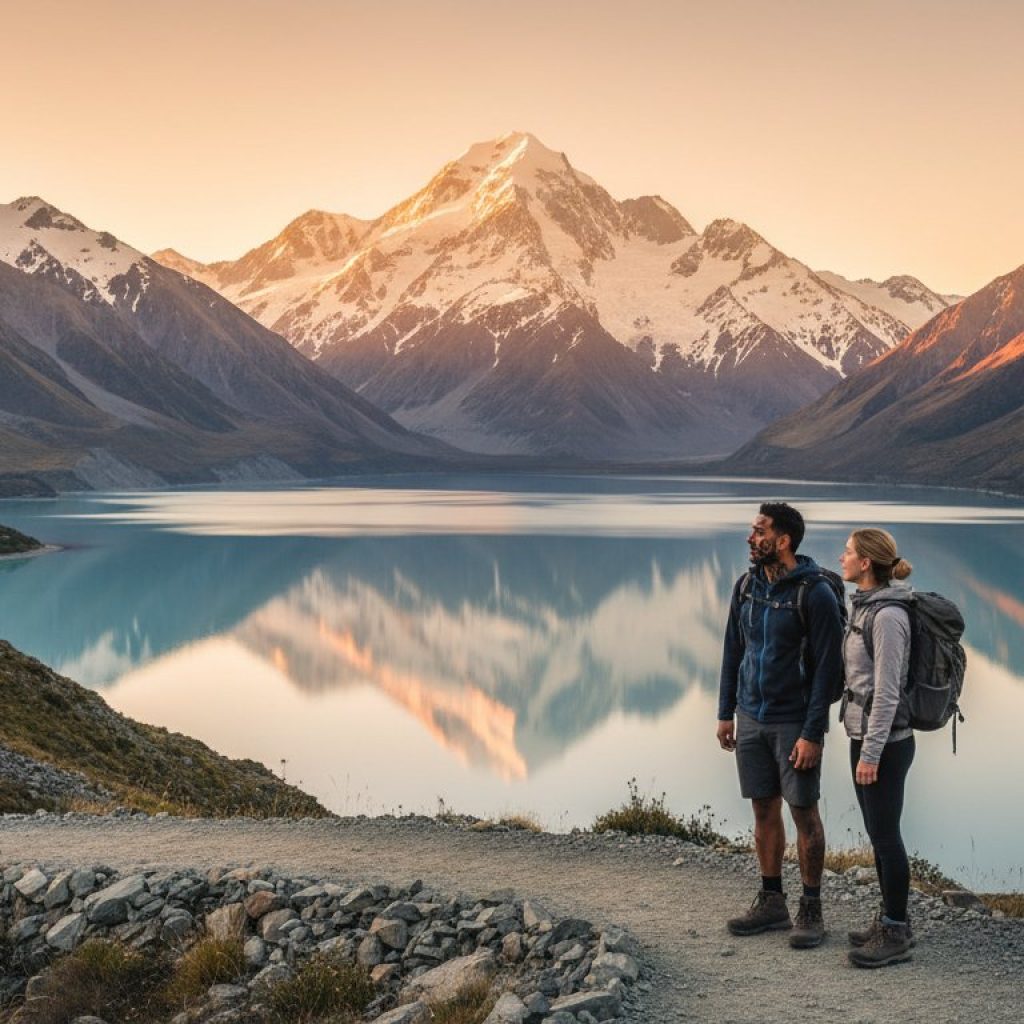
Gazing at photos of its icy peaks, it’s easy to feel a mix of awe and intimidation. Is a trip to Aoraki Mount Cook only for seasoned mountaineers with weeks to spare? Does the thought of planning the logistics-from choosing the right walk to finding the perfect place to stay-feel a little overwhelming? We understand that initial feeling, and we’re here to gently guide you through it, transforming any anxieties into pure anticipation for the adventure ahead.
Consider this your personal, hand-curated map to an unforgettable journey. We’ve done the research for you, creating a seamless guide that unveils the most breathtaking walks for every fitness level, shares the must-do experiences for even the briefest of visits, and provides all the practical tips you need. Get ready to confidently plan your perfect trip into the heart of the Southern Alps, feeling inspired and excited to witness its majesty firsthand.
What Makes Aoraki/Mount Cook National Park So Special?
Stepping into Aoraki/Mount Cook National Park feels like entering a world of giants. This is a landscape carved on an epic scale, where raw alpine beauty and profound cultural significance meet. It’s home to New Zealand’s highest peak, the magnificent Aoraki, which stands sentinel over a breathtaking kingdom of rock and ice. This is not just one mountain; it’s the heart of the Southern Alps, a dramatic chain where 19 peaks soar over 3,000 metres, creating an unforgettable skyline.
But the magic doesn’t fade when the sun goes down. The park forms the heart of the Aoraki Mackenzie International Dark Sky Reserve, the largest of its kind in the world, offering a celestial spectacle that will leave you truly humbled. From the powerful glaciers that grind through ancient valleys to the impossibly turquoise lakes they feed, every element of this park tells a story of immense natural power and timeless wonder. A visit here is more than a trip; it’s an immersive journey into the very soul of New Zealand’s high country.
Aoraki: The ‘Cloud Piercer’ in Māori Legend
To truly appreciate this landscape, you must understand its story. For the local Ngāi Tahu iwi, Aoraki is not merely a mountain; he is a sacred ancestor (tūpuna). Legend tells of Aoraki and his brothers, sons of the Sky Father, whose canoe overturned on a voyage. As they climbed atop their vessel, the freezing south wind turned them to stone, creating the Southern Alps. Aoraki, the tallest, became the highest peak. The dual name Aoraki/Mount Cook reflects this deep connection, and visitors are asked to show respect for this sacred place.
A Playground of Glaciers and Ice
The park is a dynamic world shaped by immense rivers of ice. Here you will find the mighty Tasman Glacier, a true giant and the longest in New Zealand. While its scale is best appreciated from the air or a boat on the terminal lake, other glaciers are remarkably accessible. The popular Hooker Valley Track leads you to a stunning viewpoint of the Hooker Glacier and its pro-glacial lake, while the Mueller Glacier is a constant, rumbling presence felt from Aoraki/Mount Cook Village itself. These glaciers are the master sculptors of the region, carving valleys and grinding rock into fine “glacial flour” that gives the lakes their signature vibrant turquoise hue.
Must-Do Walks & Hikes for Every Fitness Level
To truly immerse yourself in the immense scale and raw beauty of Aoraki Mount Cook National Park, you simply must walk amongst its giants. The wonderful truth is that you don’t need to be an expert mountaineer to have an unforgettable adventure here. With a network of meticulously maintained tracks, there is a path for every person, promising soul-stirring views at every turn. From gentle valley strolls to challenging alpine scrambles, lacing up your boots is the first step to a meaningful connection with this incredible landscape.
Easy Walks with Monumental Views
These shorter walks offer some of the most iconic vistas in the park with minimal effort, making them perfect for families, photographers, and anyone short on time.
- Hooker Valley Track: The park’s most famous walk for a reason. This mostly flat, 10km (3-hour return) trail leads you over three swing bridges to the iceberg-dotted Hooker Lake, with jaw-dropping views of Aoraki directly ahead.
- Kea Point Track: A fantastic short option, this 2km (30-minute return) walk from the White Horse Hill campground ends at a viewing platform overlooking the Mueller Glacier moraine wall and its glacial lake.
- Tasman Glacier View Track: After a brief but steep climb up a set of stairs, this 1km (40-minute return) track rewards you with panoramic views of the Tasman Glacier’s terminal lake and the longest glacier in New Zealand.
Moderate Day Hikes for a Deeper Experience
For those with a bit more energy, these hikes involve a climb but deliver breathtaking perspectives away from the main valley floor crowds.
- Sealy Tarns Track: Aptly nicknamed the ‘Stairway to Heaven’, this steep 5.8km (3-4 hour return) track involves 2,200 steps. The reward is an unparalleled view over the Hooker Valley, the Mueller Glacier, and of course, Aoraki itself.
- Red Tarns Track: Offering the best views of Aoraki Mount Cook village and the Tasman Valley, this 4km (2-hour return) hike is a local favourite for sunset. The track climbs to small alpine ponds that reflect the summit on a calm day.
Challenging Treks for Seasoned Hikers
For experienced adventurers seeking a true alpine challenge, the park offers some of New Zealand’s most classic tramps. The Mueller Hut Route is an iconic overnight journey that should not be underestimated. This is an advanced, steep, and exposed track that requires backcountry experience, proper alpine gear, and a high level of fitness. Before planning this trek, it is essential to check the official Aoraki/Mount Cook National Park guide from the Department of Conservation (DOC) for current conditions, avalanche warnings, and to secure a backcountry pass or hut booking.
Beyond the Trails: Unforgettable Aoraki/Mount Cook Experiences
While the hiking trails of Aoraki/Mount Cook National Park are legendary, the adventure doesn’t end where the path does. To truly appreciate the scale and majesty of this alpine wonderland, consider experiencing it from a completely different perspective. From the sky, the water, or beneath a canopy of stars, these unforgettable journeys offer immersive ways to connect with the landscape, tailored to every budget and level of adventure.
See the Southern Alps from Above
For a breathtaking bird’s-eye view, nothing compares to a scenic flight. Board a ski plane or helicopter and soar above jagged peaks and vast, snow-dusted basins. The true highlight for many is an unforgettable glacier landing, where you can step out onto the ancient ice of the Tasman Glacier. This is an exceptional option for those with limited time or mobility, providing access to a world that would otherwise be out of reach.
Get Up Close with Glaciers and Icebergs
Experience the power of ice from a new vantage point on the Tasman Glacier Terminal Lake. On a Glacier Explorers boat trip, you’ll cruise among colossal icebergs that have calved from the glacier’s face, hearing the crackle of ancient ice and seeing its deep blue hues up close. For a more serene and personal adventure, consider kayaking on the lake, paddling silently past these frozen giants. For the latest on tour operators and safety, it’s always best to check the official Aoraki/Mount Cook National Park information from the Department of Conservation.
Stargazing in the Dark Sky Reserve
When night falls, the spectacle continues. The park is the heart of the Aoraki Mackenzie International Dark Sky Reserve, one of the best stargazing locations on Earth, thanks to its pristine, light-pollution-free skies. Join a guided tour in the village to peer through powerful telescopes and have celestial wonders explained by an expert. Witnessing the Milky Way arching over the silhouette of Aoraki Mount Cook is a profoundly moving experience that will stay with you forever.
Planning Your Visit: A Practical Guide
An adventure to a place as magnificent as Aoraki Mount Cook can feel overwhelming, but it doesn’t have to be. We believe that with thoughtful preparation, your journey can be seamless, allowing you to simply immerse yourself in the grandeur of the Southern Alps. Think of this as your personal checklist for crafting an unforgettable trip.
How to Get There and Where to Stay
The journey is part of the magic. The breathtaking drive to the park takes approximately four hours from Christchurch or three and a half hours from Queenstown, with stunning scenery unfolding around every corner. Accommodation within Aoraki/Mount Cook Village is limited and highly sought-after, ranging from the iconic Hermitage Hotel to comfortable motels and lodges. To avoid disappointment, we strongly recommend booking your stay months in advance, especially for travel during the peak summer season.
The Best Time of Year to Visit
Every season offers a unique experience. Summer (Dec-Feb) brings long, sunny days ideal for hiking, but also the largest crowds. Autumn (Mar-May) is a favourite for many, with stable weather, vibrant golden landscapes, and fewer people. Winter (Jun-Aug) is a photographer’s dream, blanketing the peaks in snow, though some alpine tracks may be closed. Spring (Sep-Nov) sees the valleys burst into life with wildflowers, but be cautious of melting snow and avalanche risks at higher elevations.
What to Pack for Alpine Conditions
The mountain weather is famously changeable, so packing smart is essential for your comfort and safety. Even on a clear day, it’s vital to be prepared for anything. Your packing list should always include:
- Layered Clothing: A thermal base layer, a fleece or merino mid-layer, and a high-quality waterproof and windproof outer jacket are non-negotiable.
- Sturdy Footwear: Comfortable, broken-in hiking shoes or boots with good grip are essential, even for the shorter valley walks.
- Sun Protection: The New Zealand sun is incredibly strong, year-round. Pack high-SPF sunscreen, a wide-brimmed hat, and quality sunglasses.
- Essential Extras: Don’t forget insect repellent for pesky sandflies, a reusable water bottle to stay hydrated, and of course, your camera!
With these details thoughtfully planned, you are set for a remarkable adventure. For a truly seamless and personally escorted journey where every detail is handled for you, explore our immersive New Zealand tours.
Capturing the Beauty: Photography Tips for Aoraki/Mount Cook
Aoraki/Mount Cook National Park is more than just a stunning landscape; it’s a canvas waiting for a photographer’s eye. The sheer scale and raw beauty can be overwhelming, but capturing its magic is an unforgettable experience. As specialists in personally escorted photography adventures, we know that with a few key tips, both beginners and seasoned photographers can create truly breathtaking images of this alpine wonderland.
Iconic Photo Locations
While inspiration can be found around every corner, a few key locations offer those classic, jaw-dropping compositions that define the Aoraki Mount Cook region. Prioritise these spots for unforgettable shots:
- Hooker Lake: At the end of the popular Hooker Valley Track, this glacial lake provides perfect reflections of Aoraki on calm days. In the warmer months, you can frame floating icebergs against the mountain backdrop for a powerful sense of scale.
- Tasman Lake: This is the ideal spot for sunrise. Watching the first light hit the peaks across the terminal lake of the mighty Tasman Glacier is a moment of pure magic. A wide-angle lens is perfect for capturing the immense, icy landscape.
- Peter’s Lookout: This easily accessible viewpoint on State Highway 80 offers the quintessential shot of the winding road leading towards the mountains, with the brilliant turquoise waters of Lake Pukaki in the foreground.
Best Times to Shoot
Timing is everything in landscape photography. The light in the mountains changes dramatically throughout the day, and even the weather plays a creative role.
The golden hours-the first hour after sunrise and the last before sunset-are magical, bathing the Southern Alps in a warm, ethereal glow. For something truly spectacular, stay after dark. As part of the Aoraki Mackenzie International Dark Sky Reserve, the park offers phenomenal astrophotography opportunities. On a clear, moonless night, the Milky Way is simply breathtaking. And don’t be discouraged by clouds! Moody weather can create dramatic, atmospheric images that are just as powerful as a bluebird day.
Essential Photography Gear
While any camera can take a great photo, a few key pieces of gear will help you make the most of your time here:
- A sturdy tripod: This is non-negotiable for sharp landscapes, especially during the low light of golden hour and for long-exposure night shots.
- Lenses: Bring both a wide-angle lens (e.g., 16-35mm) for vast landscapes and a telephoto lens (e.g., 70-200mm) to isolate and compress majestic mountain details.
- Polarizing Filter: This simple tool is a game-changer. It reduces glare on the glacial lakes, deepens the blue of the sky, and makes the alpine colours pop.
Armed with these tips, you’re ready to capture the soul of this incredible place. If you’re passionate about growing your skills in a supportive, fun environment alongside other creative women, why not take the next step? Join a Women in Photography tour to hone your skills!
Embrace the Majesty of Aoraki/Mount Cook
From the accessible grandeur of the Hooker Valley Track to the profound silence of a starlit sky, the raw, alpine beauty of aoraki mount cook offers an adventure for every traveller. This is a landscape that truly captures the heart, where towering peaks, ancient glaciers, and brilliant turquoise lakes create moments you will cherish forever. While this guide provides the map, experiencing this majestic part of New Zealand firsthand is the real destination.
Why navigate the planning alone when you can embark on a seamless journey? We specialise in expertly curated small-group journeys that focus on authentic and meaningful travel experiences. Our trips are personally escorted by experienced guides, ensuring every detail is thoughtfully handled so you can simply immerse yourself in the wonder around you.
Ready for an adventure? Explore our personally escorted South Island tours.
The mountains are calling, and your unforgettable story is waiting to be written.
Frequently Asked Questions About Visiting Aoraki Mount Cook
How many days do I need to visit Aoraki/Mount Cook National Park?
To truly immerse yourself in the alpine grandeur, we recommend planning for two to three days. This allows ample time for one of the iconic hikes, like the Hooker Valley Track, a visit to the Tasman Glacier, and perhaps even some stargazing. While a single day trip is possible, staying longer gives you a buffer for unpredictable weather and allows you to experience the park’s profound tranquility without feeling rushed. It’s a meaningful journey worth savouring.
Can you see Mount Cook without hiking?
Absolutely! The scenic drive into the park along State Highway 80 offers spectacular views of Aoraki/Mount Cook on a clear day, with the turquoise Lake Pukaki in the foreground. Easily accessible roadside spots like Peter’s Lookout provide perfect photo opportunities. For an even more immersive experience without a long walk, consider a scenic helicopter flight or a boat tour on the Tasman Glacier Terminal Lake to get up close to icebergs and the glacier face.
Is it free to enter Aoraki/Mount Cook National Park?
Yes, it is completely free to enter and explore Aoraki/Mount Cook National Park. New Zealand’s Department of Conservation does not charge an entrance fee, meaning you can enjoy the stunning drives, viewpoints, and most walking tracks at no cost. Please keep in mind that commercial activities such as guided tours, scenic flights, boat trips, and all accommodation will have their own charges. This open access ensures everyone can enjoy this national treasure.
What are the road conditions like in winter?
The main road into Mount Cook Village (State Highway 80) is sealed and well-maintained, but winter conditions require careful preparation. From June to August, the road can be prone to ice and snow, particularly in the early mornings and after fresh snowfall. It is essential to check the NZTA road conditions before you depart and to always carry snow chains in your vehicle. Driving with caution will ensure your journey to this winter wonderland is a safe and seamless one.
Are there restaurants and shops in Mount Cook Village?
Mount Cook Village is a small, remote alpine settlement with limited services. You will find a handful of cafes and restaurants, mostly located within The Hermitage Hotel and other accommodation providers. There is no supermarket for groceries. We highly recommend you stock up on food, snacks, and fuel in larger towns like Twizel or Lake Tekapo before making your way into the park. A little planning ensures a comfortable and well-catered stay.
What is the weather like and how quickly can it change?
The weather in an alpine environment is famously changeable and should be respected. The park can experience “four seasons in one day,” where a clear, sunny morning can rapidly shift to cold winds, rain, or even snow. It is vital to be prepared for any conditions, even on short walks. Always dress in layers, carry a waterproof and windproof jacket, and check the latest mountain forecast from MetService before heading out on any adventure.